Zimbabwe, Botswana Move to Scrap Passports in Favour of ID
Zimbabwe and Botswana have agreed to ease cross-border travel by allowing citizens to use national identity cards instead of passports. Announced at the 5th Bi-National Commission, the phased plan will begin with border communities, reflecting both nations’ shared heritage, economic ties, and commitment to deeper regional cooperation.
 Dumisani Ndlovu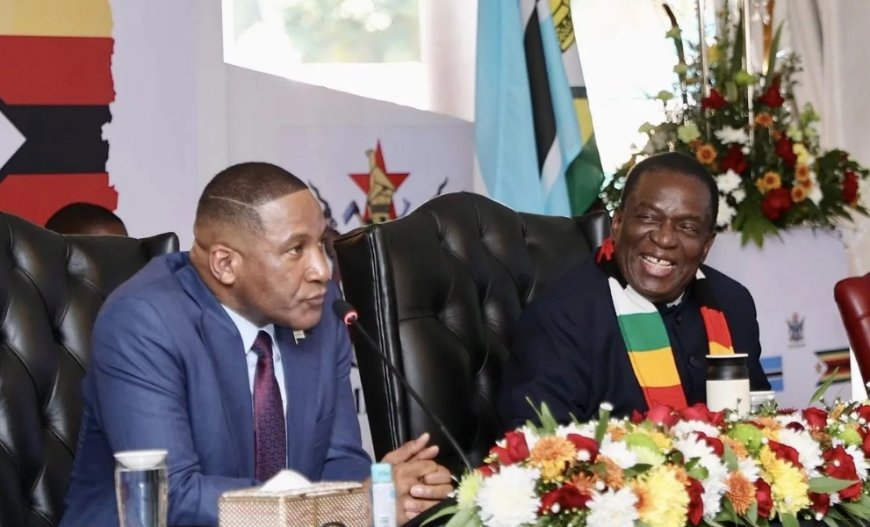
Zimbabwe and Botswana have agreed in principle to allow their citizens to travel using national identity documents instead of passports, as part of efforts to improve the free movement of people and deepen bilateral cooperation.
The arrangement, which still requires supporting legal and technological frameworks, will be rolled out gradually. Initial implementation is expected to focus on travellers in border communities and those making short-term visits.
The development was announced during the 5th Bi-National Commission held at State House, where Emmerson Mnangagwa hosted his counterpart, Duma Gideon Boko.
In his opening remarks, President Mnangagwa proposed a phased transition towards eliminating passport requirements between the two countries.
He described Zimbabwe and Botswana as deeply connected nations, bound by historical, cultural and social ties.
“The people of Zimbabwe and Botswana are one family. Our relationship goes beyond diplomacy — it is rooted in shared heritage, solidarity and common goals of peace, development and prosperity. While borders separate jurisdictions, our communities — and even wildlife — move freely. We are one people,” he said.
President Mnangagwa added that easing the movement of people, goods and services remains a priority, highlighting the need for modernised systems such as One-Stop Border Posts, digital clearance platforms and streamlined trade mechanisms to improve efficiency and reduce business costs.
Responding to the proposal, President Boko expressed full support, noting that Botswana is already working on advanced digital identity systems.
“We are developing secure digital national identity solutions that will reduce the need to carry physical documents. Citizens will be able to store their identification on smartphones and use it seamlessly when travelling,” he said.
He emphasised the importance of ensuring that both countries adopt compatible technologies to avoid delays at border points.
President Boko also highlighted the natural flow of migration between the two nations, saying it is driven by economic opportunities and skills exchange.
“People move between countries for various reasons. Zimbabweans go to Botswana and Batswana come to Zimbabwe in search of opportunities. This movement is largely based on skills that individuals bring and apply across borders, sometimes leading to permanent settlement. This is something we welcome,” he said.'
He noted that migration becomes problematic only when it is misunderstood, particularly in cases where individuals blame foreigners for unemployment despite lacking skills themselves.
Using an example from abroad, President Boko said it was ironic that some of the strongest critics of immigration are often unemployed and without marketable skills.
He added that migration, when properly managed, contributes positively to economic growth, citing Botswana’s mining expertise as an example of skills that can benefit neighbouring countries like Zimbabwe.
President Boko also urged African media to promote balanced and positive reporting about the continent.
He cautioned against reinforcing negative stereotypes often portrayed by international media, which tend to focus on poverty and crises.
“African media must tell the full story — one that reflects progress, success and development. We must not echo narratives that paint Africa only as a continent of suffering,” he said.
Zimbabwe and Botswana maintain strong bilateral relations dating back to the liberation struggle, with both countries continuing to strengthen cooperation across multiple sectors.
Zimbabwe and Botswana have agreed in principle to allow their citizens to travel using national identity documents instead of passports, as part of efforts to improve the free movement of people and deepen bilateral cooperation.
The arrangement, which still requires supporting legal and technological frameworks, will be rolled out gradually. Initial implementation is expected to focus on travellers in border communities and those making short-term visits.
The development was announced during the 5th Bi-National Commission held at State House, where Emmerson Mnangagwa hosted his counterpart, Duma Gideon Boko.
In his opening remarks, President Mnangagwa proposed a phased transition towards eliminating passport requirements between the two countries.
He described Zimbabwe and Botswana as deeply connected nations, bound by historical, cultural and social ties.
“The people of Zimbabwe and Botswana are one family. Our relationship goes beyond diplomacy — it is rooted in shared heritage, solidarity and common goals of peace, development and prosperity. While borders separate jurisdictions, our communities — and even wildlife — move freely. We are one people,” he said.
President Mnangagwa added that easing the movement of people, goods and services remains a priority, highlighting the need for modernised systems such as One-Stop Border Posts, digital clearance platforms and streamlined trade mechanisms to improve efficiency and reduce business costs.
Responding to the proposal, President Boko expressed full support, noting that Botswana is already working on advanced digital identity systems.
“We are developing secure digital national identity solutions that will reduce the need to carry physical documents. Citizens will be able to store their identification on smartphones and use it seamlessly when travelling,” he said.
He emphasised the importance of ensuring that both countries adopt compatible technologies to avoid delays at border points.
President Boko also highlighted the natural flow of migration between the two nations, saying it is driven by economic opportunities and skills exchange.
“People move between countries for various reasons. Zimbabweans go to Botswana and Batswana come to Zimbabwe in search of opportunities. This movement is largely based on skills that individuals bring and apply across borders, sometimes leading to permanent settlement. This is something we welcome,” he said.
He noted that migration becomes problematic only when it is misunderstood, particularly in cases where individuals blame foreigners for unemployment despite lacking skills themselves.
Using an example from abroad, President Boko said it was ironic that some of the strongest critics of immigration are often unemployed and without marketable skills.
He added that migration, when properly managed, contributes positively to economic growth, citing Botswana’s mining expertise as an example of skills that can benefit neighbouring countries like Zimbabwe.
President Boko also urged African media to promote balanced and positive reporting about the continent.
He cautioned against reinforcing negative stereotypes often portrayed by international media, which tend to focus on poverty and crises.
“African media must tell the full story — one that reflects progress, success and development. We must not echo narratives that paint Africa only as a continent of suffering,” he said.
Zimbabwe and Botswana maintain strong bilateral relations dating back to the liberation struggle, with both countries continuing to strengthen cooperation across multiple sectors.