
ZCC Calls for National Referendum on Constitutional Amendment Act No. 3
The Zimbabwe Council of Churches has called for a national referendum on Constitutional Amendment Act No. 3 amid rising political tensions and legal challenges.
 Dumisani Ndlovu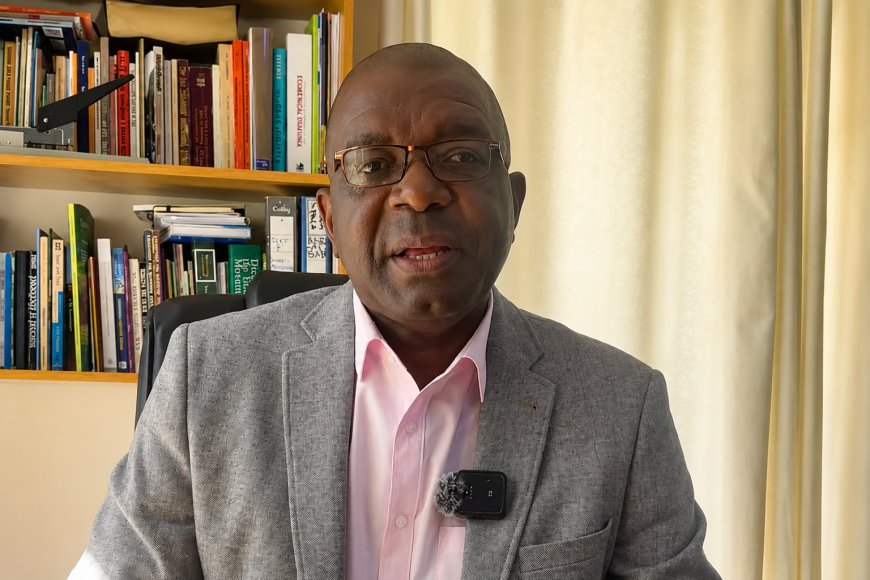
Harare — The Zimbabwe Council of Churches (ZCC) has called for Constitutional Amendment Act No. 3 (CAA3) to be subjected to a national referendum, warning that the legislation has heightened political tensions and raised serious constitutional and moral questions about the country's governance.
In a pastoral address issued from Harare, the ZCC expressed concern over the speed at which the constitutional changes were adopted and the far-reaching implications of the amendments.
The changes affect key aspects of Zimbabwe's governance system, including executive authority, presidential tenure and the electoral framework, they said.
Their adoption has triggered intense debate among political parties, civil society organisations and members of the public, with opponents arguing that changes to fundamental democratic safeguards should not be made without giving citizens a direct opportunity to determine their future.
The church body said Zimbabweans should be allowed to make their voices heard through a referendum that is free, fair, transparent and credible.
"The people of Zimbabwe should be given the opportunity to directly express their will through a free, fair, transparent and credible national referendum," the ZCC said.
The Council maintained that Parliamentary approval alone should not be regarded as sufficient when constitutional changes affect fundamental issues surrounding public trust, executive tenure and electoral participation.
It warned that excluding citizens from decisions of such national importance could further erode public confidence in state institutions and deepen divisions within an already polarised society.
The ZCC's intervention comes as several legal challenges relating to the validity and constitutionality of CAA3, formerly the CAB3 before being passed into law, remain before the courts.
Against this backdrop, the church urged the government, political parties and citizens to exercise restraint and respect ongoing judicial processes.
The ZCC stressed the importance of allowing the courts to discharge their constitutional responsibilities independently and without intimidation or interference.
"Zimbabwe's peace and constitutional order depends upon institutions," the church body said, underscoring the need for respect for the rule of law.
The pastoral statement has added fresh momentum to calls for broader national dialogue on the constitutional amendments, with concerns about CAA3 continuing to dominate public and political discourse.
The ZCC's position places renewed emphasis on consultation, transparency and consensus-building as Zimbabwe grapples with questions surrounding constitutional reform.
With court challenges still pending, the Council's intervention is reinforcing its call for a process that places citizens at the centre of decisions affecting the country's constitutional future, arguing that lasting peace, political legitimacy and national stability depend on respect for constitutional rights and inclusive democratic participation.