Diaspora Investors Press Zimbabwe on Trust, Investment Protection and Business Costs
Zimbabweans living in Australia urged the Government to address policy certainty, investor protection, transaction costs, infrastructure and dual citizenship concerns during a diaspora investment forum in Sydney, saying greater trust is essential to unlock investment into Zimbabwe.
 Harry Taruva
Sydney — Zimbabweans living in Australia told visiting government officials that investment opportunities alone will not unlock diaspora capital unless Zimbabwe addresses longstanding concerns over policy certainty, investor protection, business costs and infrastructure.
The concerns dominated the question-and-answer session at the Tourism and Hospitality Industry Business Engagement Forum under the inaugural Zimbabwe Diaspora Investment Forum on July 15.
Representatives from the Zimbabwe Investment and Development Agency (ZIDA), the Reserve Bank of Zimbabwe (RBZ) and other government institutions outlined investment opportunities in tourism and other productive sectors during the engagement, prompting the follow up concerns.
Rather than focusing solely on investment opportunities, delegates repeatedly challenged officials on practical barriers to investing back home, including business protection, banking charges, property transactions, road infrastructure, access to finance, dual citizenship and environmental conservation.
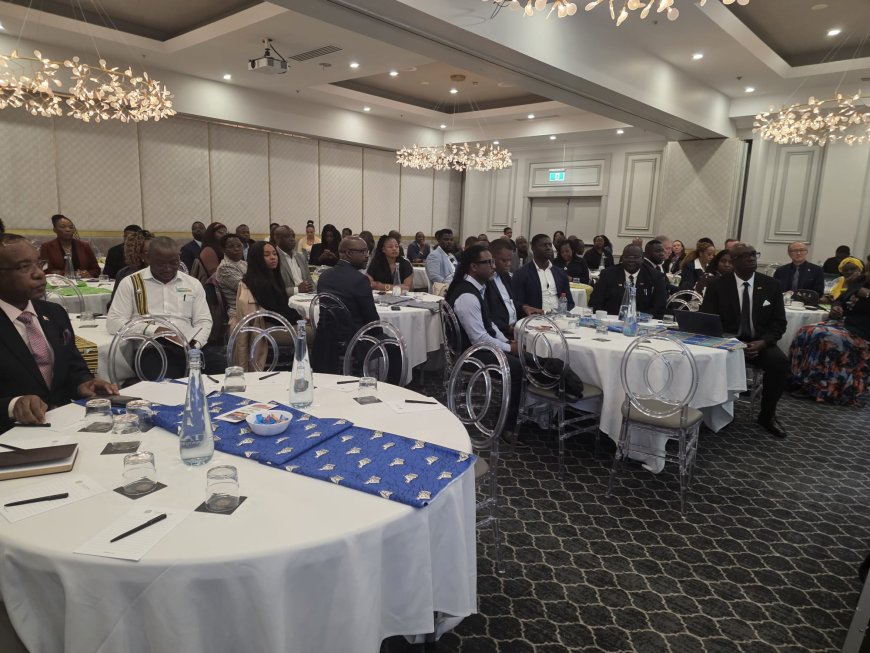 Delegates at the Zimbabwe Diaspora Investment Forum held in Sydney, Australia.
One of the strong interventions came from Brisbane-based businessman, only identified as Abraham, who said many Zimbabweans wanted to retain their Zimbabwean identity while acquiring Australian citizenship before asking whether formal investments would be adequately protected.
"My two quick questions is to do with the dual citizenship," he said, "I think if you look at everyone here, we are worried because we want to remain Zimbabweans, but we also miss out on the benefits of becoming Australians."
He said the performance of some established Zimbabwean companies had raised questions about the protection of formal businesses.
"Are there any measures in the economy to protect formal investment? Because if we are going to come in with formal money or formal investment, we want to be assured that our capital is protected," be said.
Tourism and Hospitality Industry Minister, Honourable Barbara Rwodzi said Zimbabwe's Constitution recognises dual citizenship, but Zimbabweans entering the country on foreign passports should understand that immigration rules applicable to foreign nationals would apply.
"Our constitution allows dual citizenship," she said, "If you use the Australian passport, terms and conditions about a foreigner apply to you."
Honourable Rwodzi said Zimbabwe remained open to investors regardless of nationality and assured delegates that registered investors would receive government support.
"We protect you because you're coming to grow our sector," she said
Cost was another recurring concern after one delegate questioned why some real estate companies allegedly imposed an additional 3% charge while preferring cash payments over electronic bank transfers.
An RBZ representative said investors bringing cash into Zimbabwe must declare it to the Zimbabwe Revenue Authority (ZIMRA) using Form 47 in line with anti-money laundering regulations.
"For that specific transaction... she can get in touch with us so that we can address it... and find out from the real estate council whether it's appropriate for them to be charged [that extra] 3%," the RBZ official said.
Rwodzi acknowledged that transaction costs could discourage investment and said the concerns would be raised with the relevant authorities.
"We really need to address that because such issues... we must take them back home to the Minister of Finance and to the team at Reserve Bank," she said.
"We are not just here to tell you what we are doing but also want to know your concerns and what we need to fix so that money comes back home," Minister Rwodzi said.
Beyond transaction costs, delegates questioned whether Zimbabwe's infrastructure could support new investment.
A Brisbane-based tourism operator involved in safari businesses urged Government to revive the CampFire programme and accelerate construction of the Karoi-Binga-Voc Falls road, arguing that improved access would unlock tourism opportunities around Lake Kariba and Binga.
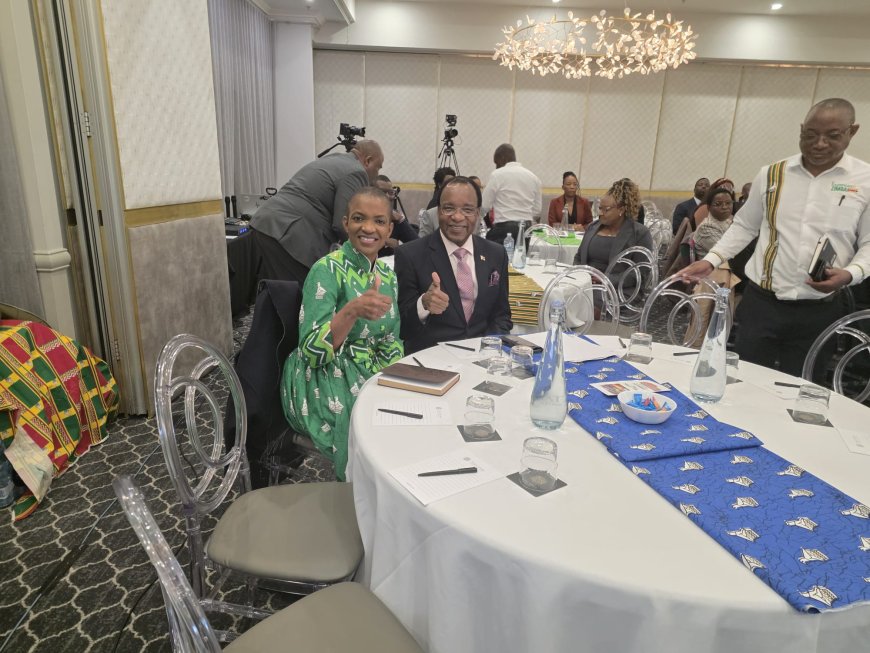 Minister Barbara Rwodzi and Zimbabwe Ambassador to Australia, His Excellency Joe Tapera Mhishi.
In response, Minister Rwodzi said Government is continuing rehabilitating roads despite limited financial resources.
"The pot is small but what needs to be done is a lot," she said.
She said work on the Bulawayo-Victoria Falls road was underway and expected to be completed around 2028, while feasibility studies for the Karoi-Binga tourism corridor had already been completed.
"The road is coming," she assured delegates.
Responding to questions on CampFire, Rwodzi said the programme was financed through regulated trophy hunting revenues rather than foreign donations.
She said the Campfire programme was not really by donation but through tourist hunting revenues.
She also urged diaspora organisations to exercise caution when approached by foreign organisations offering conservation funding.
"We don't take dirty money, we vet those monies first," she said.
Delegates also sought clarification on commercial bank financing for foreign-owned businesses.
An RBZ representative said foreign investors who establish businesses in Zimbabwe are eligible to borrow from local commercial banks and may also qualify for financing under government facilities for productive sectors.
"If you are a foreign investor and you have established a company in Zimbabwe, you are allowed to borrow from local banks," he said.
"It really depends on the form of investment you are making in Zimbabwe," he added
Other issues raised included youth skills development, financing for small tourism enterprises, capital market development and wetland protection.
Minister Rwodzi said Government was expanding vocational education to support tourism development and was keen to partner Australian training institutions.
"We want vocational training centres... particularly for tour guiding," she said, adding that multilingual skills would strengthen Zimbabwe's competitiveness in international tourism.
Zimbabwe's diaspora remains willing to invest and officials from Zimbabwe assured that all lawful investment back home will be protected under the country's laws as government also tries to improve on raised concerned to ease investment in the sector.