Chamisa Rallies Cry Against ZANU-PF’s Agenda 2030: Zimbabwe’s Constitutional Crossroads
n By Dumisani Ndlovu n nn n Harare - Zimbabwe is entering a turbulent phase of political contestation as former main opposition leader, Advocate Nelson Chamisa, has forcefully rejected attempts to amend the constitution, framing ZANU-PF’s c
 anostrofy
 By Dumisani Ndlovu
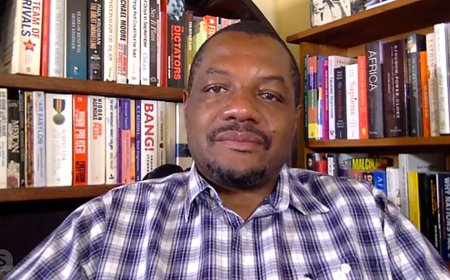
Harare - Zimbabwe is entering a turbulent phase of political contestation as former main opposition leader, Advocate Nelson Chamisa, has forcefully rejected attempts to amend the constitution, framing ZANU-PF’s controversial plan to extend President Emmerson Mnangagwa’s term to 2030 as a betrayal of the national will.
His remarks, delivered in his trademark evangelical-political style, were not simply a rebuke of parliamentary procedure but a rallying cry for popular sovereignty.
Chamisa insisted that resolutions made within political organisations cannot be a resolution of a nation, dismissing the ruling party’s maneuvers as private agendas that belong “kumba kwenyu” (at your home).
He warned that the people are the government, and ridiculed the idea of lawmakers spending nights debating amendments as a joke.
By declaring “we haven’t yet started,” Chamisa signaled that the opposition is preparing for a more intense phase of political mobilization, positioning current struggles as only the beginning of a larger, people-driven assertion of power.
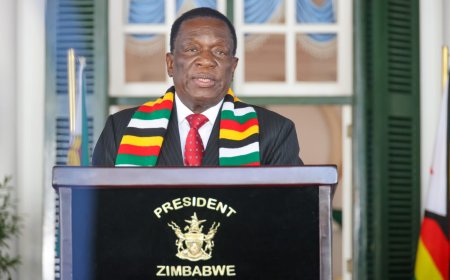
His intervention comes at a moment when ZANU-PF has reaffirmed its resolution number one, first adopted in Bulawayo in 2024 and later in Mutare in 2025, which seeks to extend Mnangagwa’s presidency beyond the two-term constitutional limit.
Analysts note that the move has politically outmaneuvered Vice President Constantino Chiwenga, consolidating Mnangagwa’s grip on power.
If successful, the amendment would cancel the 2028 general elections and allow Mnangagwa to remain in office for at least two more years.
Justice Minister, Ziyambi Ziyambi, also ZANU-PF’s Legal Secretary, has been tasked with fast-tracking the amendment within a year, while Mnangagwa himself maintains publicly that he is a constitutionalist who will step down in 2028.
His allies, however, argue that he should continue if the people support it.
Legal experts caution that the constitution’s requirement for two referendums makes such an amendment extremely difficult to achieve.
Constitutional lawyers argue that while ZANU-PF may command parliamentary dominance, altering entrenched clauses demands broad national consensus that cannot be manufactured through party resolutions.
Civic groups have echoed this sentiment, warning that bypassing the referendum process would undermine the legitimacy of the state and erode public trust in democratic institutions.
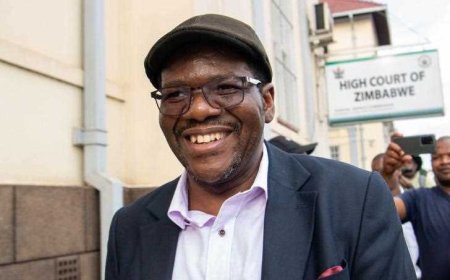
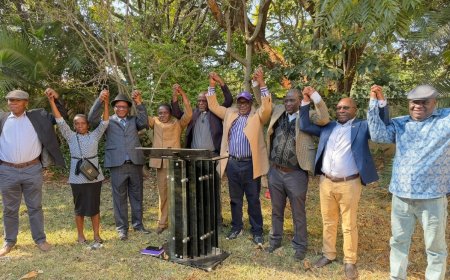
The Citizens Coalition for Change has already rejected the ruling party’s plan, with spokesperson Promise Mkhwananzi stressing that ZANU-PF’s resolutions only affect its members and have nothing to do with the generality of Zimbabwe.
He urged citizens to remain focused on electoral reforms and prepare for elections in 2028.