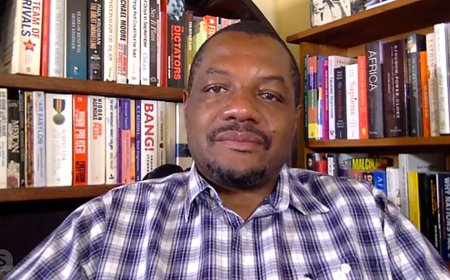
Mpeswe Links Alleged Military Dissent To Growing National Discontent
Political commentator Shepherd Mpeswe says alleged flyers circulated at Zimbabwean military bases signal growing dissatisfaction within the security services and reflect wider national concerns over corruption, governance and Constitutional Amendment Bill No. 3.
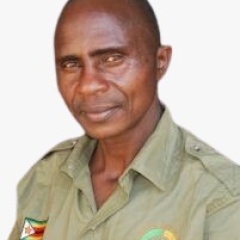 Dumisani Ndlovu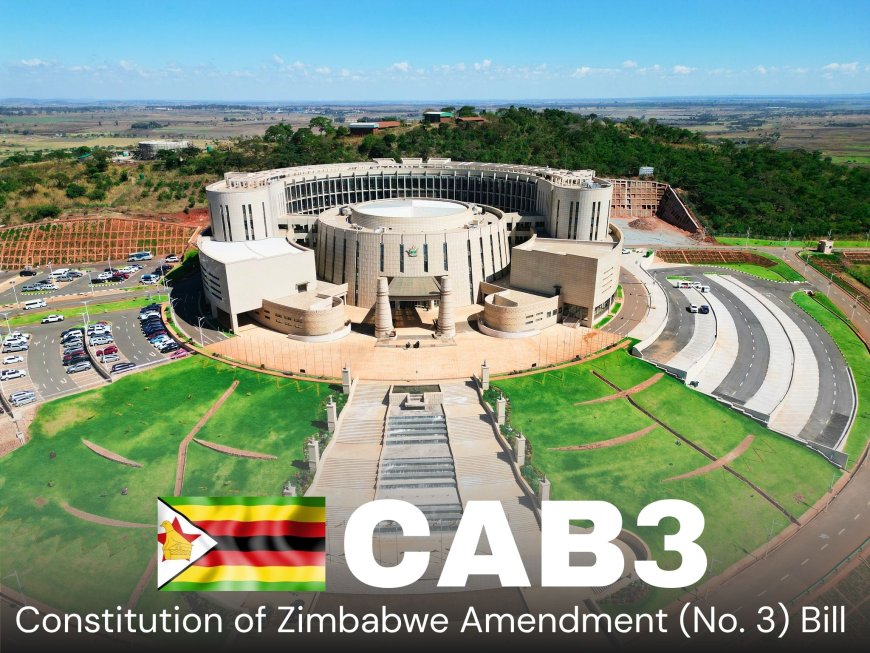
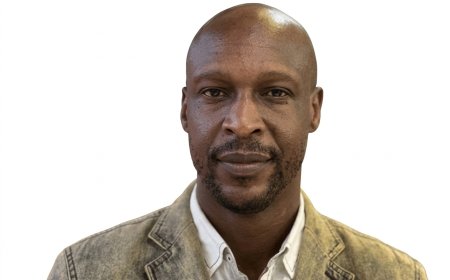
HARARE – Political commentator RTD DIO Shepherd Mpeswe has claimed that recently circulated flyers allegedly distributed at several military installations reflect growing dissatisfaction within Zimbabwe's security services and mirror wider public concerns over governance, corruption and the proposed Constitutional Amendment Bill No. 3 (CAB3).
In an analysis published this week, Mpeswe said messages reportedly found at key military facilities, including Josiah Tongogara Barracks, Dzivarekwa Barracks, Manyame Air Base and other security establishments, should be viewed as a warning sign of broader national discontent rather than isolated acts of dissent.
According to Mpeswe, the flyers contained allegations of corruption within the military command structure, favoritism in promotions and declining professionalism within the security sector.
He argued that the significance of the messages lies in their apparent alignment with concerns being raised by ordinary citizens and political activists.
"The grievances were framed not simply as institutional concerns but as a stand with the people of Zimbabwe," Mpeswe said.
The retired military officer suggested that when members of the security services begin expressing concerns similar to those being voiced in public and political spaces, it signals deeper underlying tensions.
Mpeswe's comments come amid heightened debate over CAB3, a proposed constitutional amendment that has generated both support and opposition across the political spectrum.
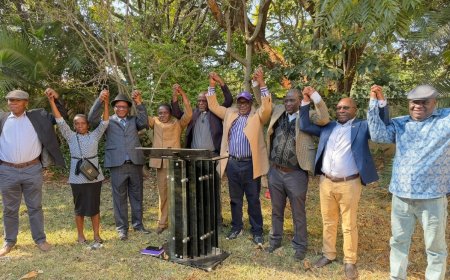
He noted that opposition activist and war veteran leader , popularly known as Cde Knox, recently urged citizens to prepare for political action, arguing that the proposed amendment could entrench power and weaken democratic accountability.
Mpeswe said the alleged rejection of CAB3 contained in the flyers was particularly significant because it suggested that concerns about the legislation may extend beyond political circles.
"It indicates that what is being contested is no longer just policy but legitimacy," he wrote.
He further warned that allegations of corruption within senior military ranks, whether proven or not, could undermine confidence in institutions if left unaddressed.
"Armies function on trust, discipline and a shared sense of purpose. Once those are called into question publicly, the damage is not easily contained," Mpeswe said.
The commentator argued that similarities between concerns being raised by citizens, opposition figures and those reflected in the alleged military communications point to what he described as a convergence of national grievances centred on corruption, governance and accountability.
Drawing parallels with historical political developments, Mpeswe cautioned against dismissing emerging signs of dissatisfaction.
"History offers many examples where early warnings were dismissed as noise, only for them to evolve into crises," he said.
He concluded that when concerns from different sectors of society begin to echo one another, authorities should pay attention to the underlying issues rather than dismiss them outright.
The government and military authorities had not publicly commented on the alleged flyers at the time of publication.