Workplace Age Bias Crisis Hits Australia
A joint study by Diversity Council Australia and the Human Rights Commission reveals deep-seated systemic ageism impacting both ends of the employment spectrum in Australia.
 Harry Taruva
Melbourne — Deep-seated ageism and structural bias remain endemic within Australian corporate cultures, systematically subjecting younger demographics to high rates of workplace harassment while isolating older cohorts from institutional career advancement.
The findings were published on Tuesday, June 30, in a landmark national research report titled Age, Assumptions and Access at Work: Employee Experiences of Age Inclusion in the Workplace.
The comprehensive study was jointly compiled by the Diversity Council Australia (DCA) and the Australian Human Rights Commission (AHRC).
The empirical data indicates that 39%, nearly one in three, of young professionals aged between 18 and 29 experienced documented forms of discrimination or professional harassment within their respective organisations over the past 12 months.
The findings stand in contrast to a reported discrimination rate of 27% among mid-career personnel (ages 30–54) and 19% for senior workers aged 55 and above.
The report established that younger cohorts are disproportionately vulnerable to systemic exclusion, social marginalisation, unprovoked patronisation, and targeted sexual harassment within corporate environments.
Crucially, the research deployed an intersectional analytical framework, demonstrating that age-based vulnerability compounds drastically when mapped against gender and domestic care profiles.
Younger female employees recorded the lowest baseline indices of team integration, while older female personnel were statistically the least likely to receive institutional recognition or secure access to lateral career progression and mentorship.
Furthermore, young entry-level workers balancing informal care or parental responsibilities experienced significantly higher frequencies of open professional discrimination.
DCA Chief Executive Officer, Catherine Hunter, said these systemic barriers directly undermine national economic productivity amidst ongoing macro-level skills deficits.
“This report shows age continues to play a quiet but powerful role in shaping workplace experiences," Hunter stated.
"Too often, assumptions about someone being too young, too old, not ready, or past their prime influence access to opportunity, recognition and support... The ability to attract, retain and support people of all ages is not just a matter of fairness, it is essential to organisational resilience and performance,” she said.
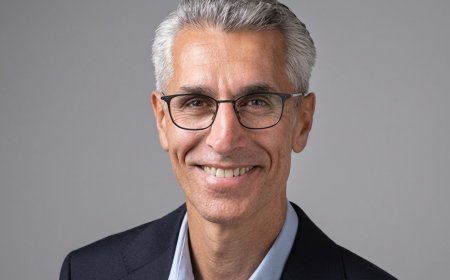
Federal Age Discrimination Commissioner, Robert Fitzgerald, expressed concern over the widespread under-reporting of these infractions, noting that ageist behaviours have become highly normalised within contemporary corporate frameworks.
“Ageism, whether against younger or older workers, is so deeply normalised many simply accept it as the status quo," Commissioner Fitzgerald warned.
"Exclusion presents differently for younger workers compared to their older counterparts, but the impact is just as damaging. We must draw on these insights and create workplaces where people of all ages are valued," he said.
The statutory bodies have jointly issued a comprehensive policy framework for employers, demanding the implementation of blind performance metrics, transparent grievance mechanisms, and standardised access to executive professional development to mitigate generational bias.