Treasury Seeks Approval of US$9.64 Billion Chinamasa/Chombo Unauthorised Spending
By Delicious Mathuthu — Zimbabwe Finance Minister Mthuli Ncube is seeking Parliament’s approval to regularise US$9.64 billion in unauthorised expenditure incurred between 2015 and 2018, when Patrick Chinamasa and Ignatius Chombo held the finance portfolio at different times.
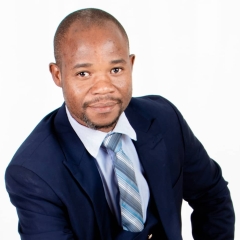 Delicious Mathuthu
Harare — Zimbabwe’s Treasury is seeking parliamentary approval to regularise US$9.64 billion in unauthorised expenditure incurred between 2015 and 2018, reviving questions over compliance with constitutional spending controls and accountability for public funds.
The Financial Adjustments (No. 2) Bill, 2026, announced on Friday, October 9, seeks condonation for expenditure totalling US$9,638,603,082 by the Ministry of Finance, Economic Development and Investment Promotion over the four-year period.
The proposed condonation covers US$25.3 million for 2015, US$1.49 billion for 2016, US$4.56 billion for 2017 and US$3.56 billion for 2018.
Between 2015 and 2018, Zimbabwe's Finance Minister was primarily held by Patrick Chinamasa, with a brief interruption by Ignatius Chombo during the political transitions of late 2017. Mthuli Ncube took over in September 2018.
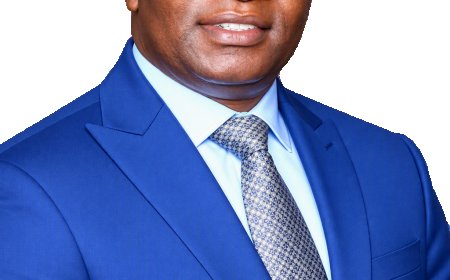
 Finance Minister Professor Mthuli Ncube, whose Ministry is seeking parliamentary approval for unauthorised expenditure incurred between 2015 and 2018.
Section 307 of the Constitution requires the Minister responsible for finance to introduce a condonation Bill without delay and no later than 60 days after the extent of the unauthorised expenditure has been established.
"When a Government Ministry or Department spends more than it was allocated, or spends on something it was not allocated for, the Constitution (section 307) requires the Minister of Finance to bring a Bill to the National Assembly asking for condonation of that unauthorised expenditure," Permanent Secretary in the Ministry of Information, Publicity and Broadcasting Services, Nick Mangwana said quoting the Bill.
"This must be done within sixty days after the amount is established. In line with this, we seek condonation for unauthorised expenditure incurred by the Ministry of Finance, Economic Development and Investment Promotion...," he said.
Sections 298 and 308 set out principles of transparency, accountability and prudent management of public funds, including the requirement that money be spent only for authorised purposes and within authorised limits.
The Government previously sought parliamentary approval for the same unauthorised expenditure incurred between 2015 and 2018 through the Financial Adjustments Bill of 2019, which covered almost the same amount, US$9.64 billion across government, independent parliamentary monitoring organisation Veritas has on record.
In its December 2019 analysis, Veritas criticised the lack of information about how the expenditure had occurred and what the money had been spent on.
The organisation said the Bill “does not explain how all this unauthorised expenditure occurred”, calling for greater disclosure in the interests of transparency and accountability.
Veritas said the 2019 Bill lapsed in October 2020 without completing the parliamentary process.
The Zimbabwe Coalition on Debt and Development (ZIMCODD) has over the years identified weaknesses in public financial management through its analyses of the Auditor-General reports, including unsupported and unreconciled expenditure, unauthorised transfers, excess spending, violations of financial procedures and payments for goods not delivered.
ZIMCODD has also highlighted weaknesses in the recording of direct Treasury payments to suppliers and the accumulation of payment arrears by Government Ministries, as the overspending happens.