Farmers Urged to Insure Crops, Livestock Ahead of El Niño Drought
 Dumisani Ndlovu
Gweru — Farmers have been urged to insure their crops and livestock against climate-related losses as Zimbabwe braces for a potentially hotter and drier 2026/27 agricultural season.
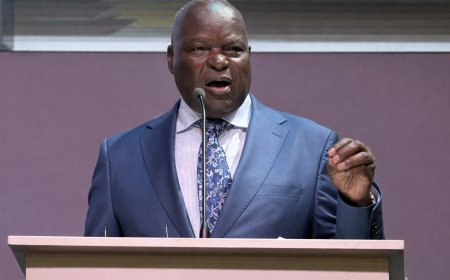
The call was made by Agriculture Fimamce Corporation (AFC) Insurance Company Managing Director, Cuthbert Masukume at the 86th Zimbabwe Farmers’ Union (ZFU) Congress in Gweru.
Durongnthe Congress, insurance was promoted as a key tool for protecting livelihoods when drought mitigation measures fail.
Farmers were encouraged to strengthen their resilience ahead of a season influenced by El Niño and the Indian Ocean Dipole.
Masukume said farmers could reduce drought risks through climate-smart practices such as planting drought-tolerant crops, water harvesting, moisture conservation and seeking advice from agricultural extension officers, but warned that these measures could not eliminate all risks.
“Depending on the level of risk, we need to transfer to insurers. And we transfer it through a process called insurance,” Masukume said.
His remarks come as the Meteorological Services Department (MSD) forecasts a predominantly drier-than-normal 2026/27 rainfall season, with below-normal rainfall expected across much of Zimbabwe.
Agriculture Minister, Dr. Anxious Masuka, urged farmers to stop depending on favourable weather and make drought preparedness part of normal production planning.
Masukume said insurance should form part of that preparedness rather than being considered only after farmers have suffered losses.
He said insurance products available to farmers include conventional damage-based cover as well as livestock insurance, while index-based insurance offers another mechanism for managing agricultural risks.
“Insurance is a way of achieving resilience,” he said.
Masukume said the previous El Niño season provided a warning of the potential economic consequences of climatic shocks, citing a 72% decline in productivity and millions of people being left food insecure.
He said figures underline the importance of protecting productive assets before losses occur, particularly for farmers whose livelihoods depend heavily on rainfall.
Masukume further said farmers should first implement measures to reduce their exposure to drought, including water harvesting and reducing food wastage.
“ You can do a lot of these in our farms to reduce impacts in the drought,” he said.
He explained that index-based insurance differs from traditional insurance because payouts can be linked to an agreed index or trigger rather than requiring assessment of every individual loss.
Meteorological Services Department (MSD) official, Tamburiro Tecla Pasipangodya, told the congress that the seasonal outlook was a planning tool rather than a prediction of weather on every individual day.
She said farmers should combine the seasonal forecast with shorter-term weather information when making decisions on planting, water use and other farm activities.
Minister Masuka said farmers should also adapt their production systems by growing crops suited to drier conditions, including sorghum, pearl millet, finger millet, sunflower, cassava, cowpeas and sweet potatoes.
He said moisture conservation practices under Pfumvudza/Intwasa could help farmers retain scarce water in the soil, while diversification could reduce the risks associated with relying on a single crop.
However, the increasing emphasis on insurance adds another layer of protection by addressing the financial consequences of losses that farmers may still suffer despite taking preventive measures.
For livestock farmers, insurance can similarly help protect herds from financial losses associated with covered risks, particularly when drought affects pasture and water availability.