Australian Dollar Hits Three-Month High as Inflation Revives Rate Hike Fears
The Australian dollar has weakened, having risen above US$0.718 after stronger-than-expected inflation figures raised expectations that the Reserve Bank of Australia could increase interest rates later this month.
 Harry Taruva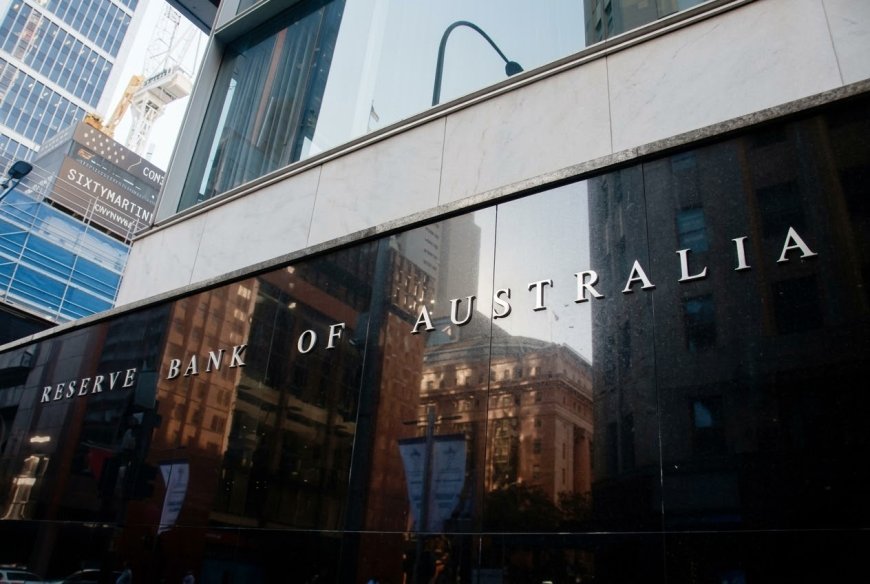
Sydney — The Australian dollar has weakened, having risen to its highest level in three months after new inflation figures increased expectations that the country’s central bank could raise interest rates later this month.
The currency climbed above US$0.718 following the release of stronger-than-expected inflation figures for July.
The development has raised fears of possible interest rate increase by the Reserve Bank of Australia (RBA) back on the agenda after expectations of a rate hike had weakened in recent weeks.
Inflation stood at 3.5% in July compared with the same month last year, higher than the 3.2% expected by financial markets.
The figures indicate that prices are continuing to rise faster than expected, particularly in areas such as housing and household spending.
OFX Associate Director of Client Management, Michael Sorial, said the latest figures had significantly changed expectations about the RBA’s next move.
“Australia’s inflation surprise has flipped the narrative for the RBA almost overnight,” said Sorial.
“Only a few weeks ago, expectations of further RBA tightening had faded following weaker jobs data.
"The latest inflation figures have put a September rate hike firmly back in the conversation," he said.
Sorial said the increase in prices was not being driven by fuel alone.
“Importantly, price pressures are proving broader than just petrol, with housing and discretionary spending also contributing to the stronger result,” he said.
The RBA is due to meet on September 29, with markets now closely watching whether the central bank will increase its interest rate in response to the latest inflation figures.
Reports say an interest rate increase would make borrowing more expensive for households and businesses, but could also help slow the pace at which prices are rising.
The stronger inflation figures have already had an impact on the Australian dollar, which moved closer to its highest level recorded this year.
Sorial said the change in expectations around interest rates had helped strengthen the Australian dollar, particularly for businesses involved in international trade.
“For Australian businesses moving money internationally, the shift in rate expectations has already helped push the Australian dollar higher.
“With several major central banks meeting this month, we could see plenty more volatility ahead," he said.
The RBA is not the only major central bank facing an important decision this month.
The United States (US) Federal Reserve, European Central Bank, Bank of Japan and Bank of England are also scheduled to meet in September, making it an important month for global interest rates and currencies.
The US dollar, which had fallen to a five-month low, has recently recovered as markets reassessed expectations around US interest rates.
The Federal Reserve is due to meet on September 15 and 16.
The British pound also strengthened in August, reaching about US$1.365, its highest level in six months.
The Bank of England is scheduled to meet on September 17.
Meanwhile, the euro rose above US$1.16 at the end of August, supported by signs of improving economic activity in the eurozone.
The European Central Bank is due to meet on September 10.
In the Asia-Pacific region, the New Zealand dollar has weakened despite the Reserve Bank of New Zealand raising its key interest rate for a second consecutive time to 2.75%.
The Japanese yen has also surrendered some of its recent gains ahead of the Bank of Japan’s September 17-18 meeting.
The Canadian dollar remains under pressure amid escalating trade tensions between Canada and the United States, with retaliatory Canadian tariffs expected to take effect on September 8.
OFX said the Australian dollar could trade between US$0.7050 and US$0.7350 during September.
The company said currency movements would depend largely on decisions by major central banks, inflation figures and developments in international trade.