Storytelling Initiative Connects PWD Creatives Across Africa, as LeBrecht Calls for Self-Representation
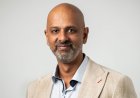
By Dumisani Ndlovu — A pan-African documentary storytelling initiative held at American Corner Gweru is connecting creatives with disabilities across Zimbabwe and Africa, with filmmaker and disability rights advocate, Jim LeBrecht, urging participants to take ownership of their stories through filmmaking and digital media.
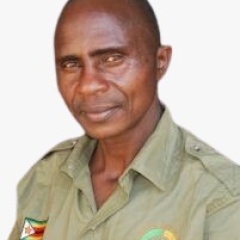 Dumisani Ndlovu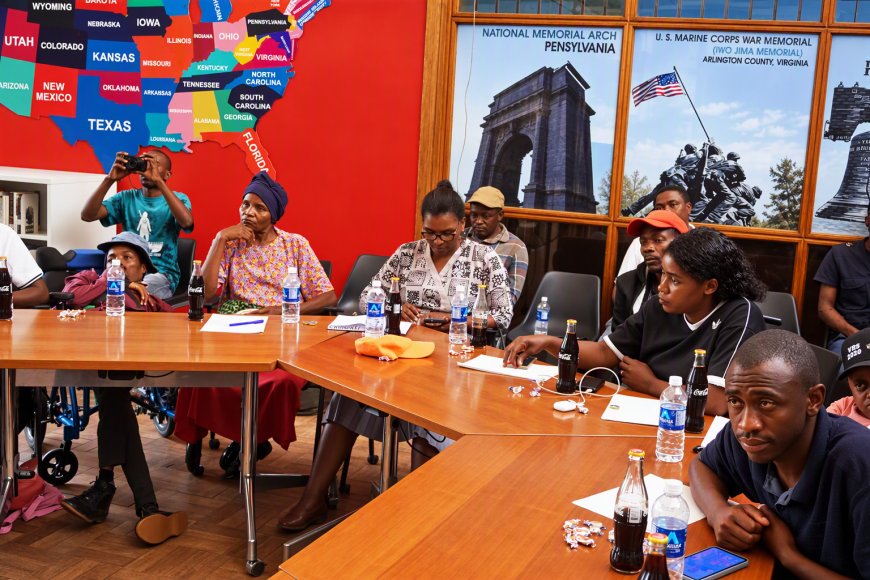
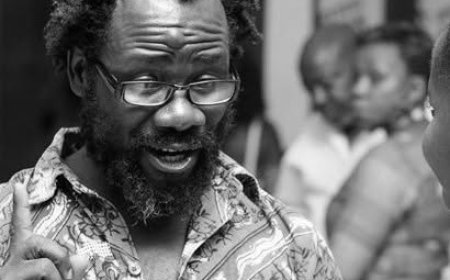
Gweru — Persons with disabilities PWDs) must stop waiting to be given space in the creative industries and instead use storytelling and filmmaking to challenge stereotypes, create opportunities and change public and institutional perceptions, American filmmaker and disability rights advocate Jim LeBrecht told participants during a pan-African documentary storytelling initiative.
LeBrecht, a producer of the acclaimed documentary, Crip Camp, was addressing 36 trainees, 30 participating physically at American Corner Gweru and six joining virtually from various regions across Zimbabwe and other African nations, including Kenya.
The workshop was part of the inaugural “Show Us Your World 2026”, a cross-border initiative designed to help disability creatives turn lived experiences and community issues into practical documentary story prototypes.
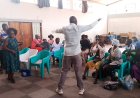
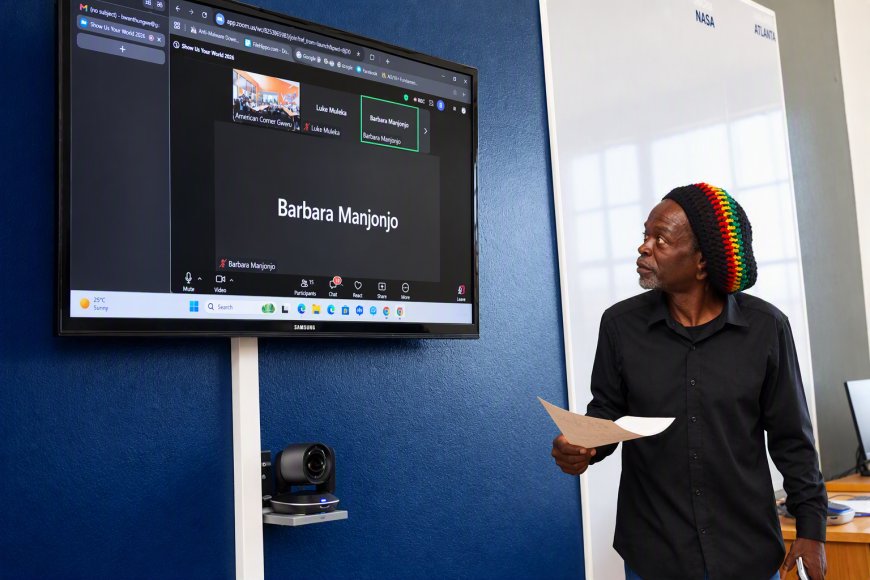 Programme moderator Muchineripi Gwarinda facilitates proceedings during the 'Show Us Your World 2026' documentary storytelling workshop at American Corner Gweru.
LeBrecht told participants that the historic absence of people with disabilities from mainstream film and creative spaces should no longer be accepted as evidence that they cannot participate.
“Those things that you think are barriers against us being important and talented actors, those are things which are not barriers anymore, because there is proof in this room,” LeBrecht said.
He noted that the reception of disability-led films on global stages demonstrates that creatives with disabilities can occupy the same creative spaces as anyone else.
“We were the stars of that film, and there were a lot of us there in Toronto. We were undeniable,” he said, referring to his experience at the Toronto International Film Festival.
“I really hope that this is something that we notice internationally, that people respect us, and will come to expect that we are capable of doing so many things artistically, in education, in science, in all different parts of the world," he said.
He urged participants across the continent to take immediate ownership of their narratives.
“One of the ways we can do that is by storytelling and by making your own short films. Get it out on social media... The way we can help that from happening is to change the minds of people in government and those that are controlling people's jobs," he said.
For LeBrecht, the underlying message remains universal, that “If you don't see it, it doesn't mean that you can't do it.”
The first phase of “Show Us Your World 2026” initiative operates as a broad cross-border collaboration involving Echoes of Ability, Zimbabwe Disability Inclusive Arts and Culture (ZIDIAC), Hodzeko Arts & Culture Association (HACA), FWD-Doc and Signs Media Kenya.
Trainees expressed strong appreciation to the U.S. Embassy for its broader support, acknowledging Beven Hungwe for his contribution to support the initiative.
Kenyan filmmaker and facilitator, Luke Muleka, led the practical training sessions, guiding both in-person and remote participants through, story discovery and framing central conflicts, character development and ethical interview techniques, storyboarding key scenes and mobile-phone shooting techniques and structuring pitch-ready documentary prototypes.
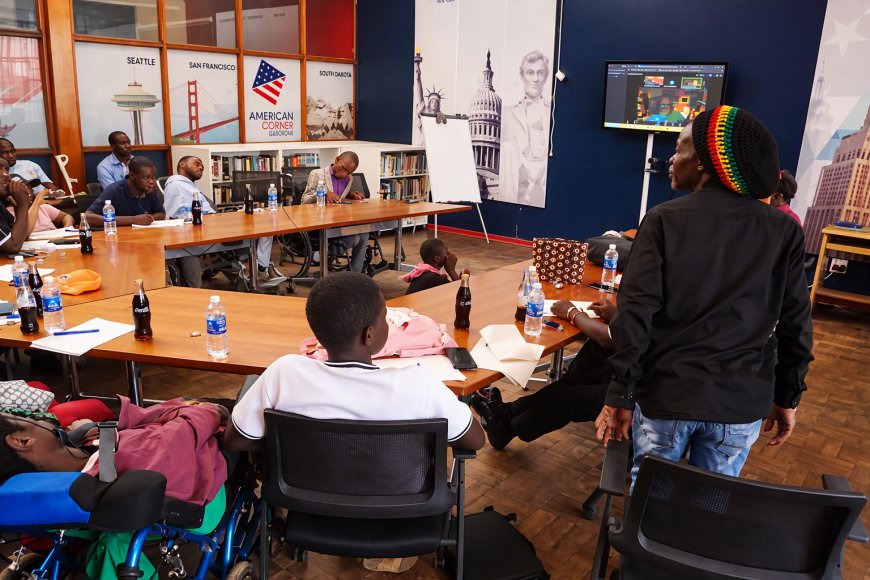
The program deliberately prioritises compelling narratives over expensive equipment, encouraging trainees to leverage smart devices and available digital tools.
Organisers noted that they are not looking for perfect films but real stories.
The session also served as an open forum on industry barriers across the African creative sector.
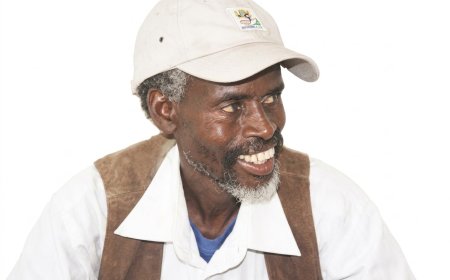
Artist Bekezele Mpala, who has cerebral palsy, raised the critical issue of economic sustainability, asking how creatives with disabilities can effectively monetise their work in competitive markets.
LeBrecht acknowledged the financial and systemic hurdles in film, but highlighted a growing global network of working professionals with disabilities.
He stressed the importance of authentic representation, recalling a film featuring a character who used an assistive speech device played by an actor who also had a speech impairment.
“I swear to God, whenever he was on the screen, he just lit up the screen,” LeBrecht recalled, adding that authentic casting brings irreplaceable depth and realism to the screen.
Following the initial workshop, participants have approximately one month to refine their ideas into one of three deliverables; A 2-to-3-minute short documentary, a documentary trailer or pilot or a formal documentary proposal and treatment.
Participants will return for a follow-up creative exchange supported by FWD-Doc to screen their cuts and present proposals for expert feedback on story structure, visuals, sound, and editing.
Mentors and partner organisations will evaluate the submissions to identify standout projects for further development into feature documentaries, advocacy films or festival entries, completing the program's five-stage pathway, which are Discover, Create, Share, Develop and Connect.