From Gweru to the World: Mbizo Chirasha Puts Climate Resilience at the Heart of a New Anthology
Zimbabwean poet Mbizo Chirasha curates Writing Climate Resilience 2026, an international anthology exploring climate change, survival and resilience through African literature.
 Dumisani Ndlovu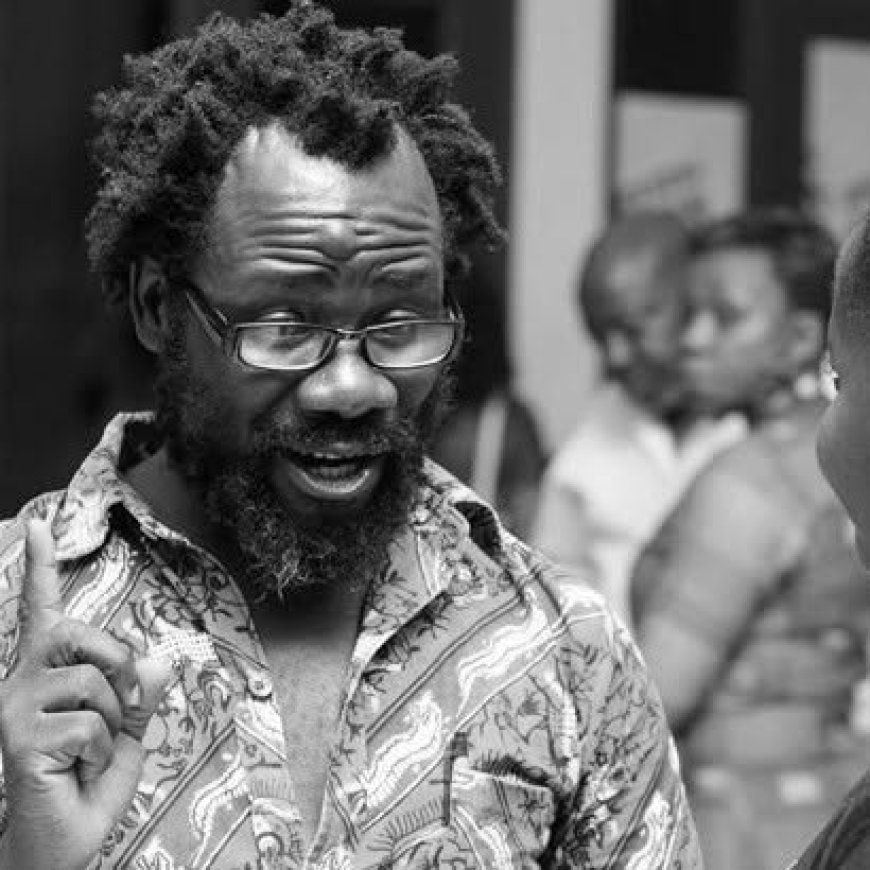
Gweru — A new international literary anthology curated by Zimbabwean poet and cultural organiser, Mbizo Chirasha, is bringing together writers from across Africa and beyond to examine climate change through stories of drought, flooding, displacement, environmental degradation and community resilience.
Writing Climate Resilience 2026, scheduled for publication this month, August 2026, features poetry, short stories and essays that explore the human consequences of environmental change.
Rather than treating climate change solely as a scientific or policy issue, the project uses literature to examine how environmental disruption is experienced by individuals and communities.
For Chirasha, the project extends a career centred on literary activism, cultural programming and community-based creative initiatives.
He has been involved in projects including the Young Writers Caravan and GirlChildCreativity Project, as well as international literary and human-rights initiatives.
His work has positioned him as a curator of literary projects and an advocate for using creative expression to engage with social issues.
Although the anthology brings together contributors from several countries, its creative direction is rooted in Zimbabwe through Chirasha's role as curator and editor.
His connection to grassroots literary culture and his experiences of drought and rural hardship have informed the project's emphasis on lived experience.
The anthology asks writers to move beyond describing climate change and instead examine what environmental disruption means for people whose homes, livelihoods and communities are affected.
That focus places resilience alongside vulnerability.
The stories explore not only loss and displacement, but also adaptation, resistance and rebuilding, bringing a human dimension to a subject often dominated by statistics and technical terminology.
The project's winning entries reflect its geographical and literary diversity.
South African writer, David Johnson, won first prize in the short-story category for Unravelling.
His work engages with the human consequences of a changing world, including climate change, displacement, inequality and social upheaval.
Kenyan writer, Sylvia Opieba, won second prize in the essay category for From Trash to Cash.
Her work as an environmentalist, journalist and climate-change activist adds a practical community dimension to the anthology's environmental themes.
Zimbabwean poet Nicole Chingosha took third prize in poetry for Doing the Yard, giving the host country representation among the leading entries.
Eunice Tayamika Maganga of Malawi received fourth prize in the short-story category for The Water Knows.
The project has also recognised a number of writers through special mentions.
These include South African poet Vania Reyneke for Dead Silence; Nigerian writer Yahaya Mohammed Chadi for Dust and the Dam: Climate and Adaptation in the Lake Chad; Zimbabwean writer Elias Muwonde for Women Making in the Rain; and Nigerian writer Ewa Gerald for If Gutters Could Speak.
International guest contributors further broaden the anthology's scope.
They include Italian multidisciplinary artist Vincenzo Cohen, environmental scientist and writer Monica Fabra from the United Kingdom, Netherlands-based poet Marion de Vos-Hoekstra and Greece-based writer Tamara-Lee Brereton-Karabetsos.
Their participation gives the project an international dimension while keeping African climate experiences at its core.
Chirasha's approach is closely associated with what he describes as artivism, the use of creative expression to engage with social and human-rights issues.
The philosophy is reflected in Writing Climate Resilience, where writers are encouraged to document environmental change through imagination, memory, observation and lived experience.
Rainfall figures can quantify a drought, water levels can measure a flood, statistics can record displacement; literature, however, can explore how those events alter people's lives, relationships, communities and sense of place.
The project also incorporates a talent-development element. The four category winners are receiving cash prizes ranging from US$25 to US$100, while shortlisted writers are being inducted into African Writing Program Mentorship Sessions.
The mentorship component gives the initiative a longer-term dimension beyond the competition itself, potentially providing emerging writers with opportunities to develop their work and engage with other writers and literary practitioners.
For Zimbabwean contributors such as Chingosha, the project also provides an opportunity to place their work within a broader regional and international literary conversation.
The forthcoming August 2026 publication places a Zimbabwean literary project within a wider conversation about one of the defining challenges facing communities across the world.
Its significance is not simply the number of countries represented, but the attempt to connect different experiences of environmental change through literature.