Australia Spending $1.1 Billion Jailing Kids and Youths Anually
 Delicious Mathuthu
Canberra, Australia - Latest released government data has revealed that Australia is now spending more than A$1.1 billion (US$765.6 million) annually to imprison children and young people, a record high highlighting a costly and "devastating policy failure," the Justice Reform Initiative says.
The Productivity Commission's Report on Government Services, released late Thursday, January 29, shows youth detention expenditure has surged by nearly A$400 million (US$278.4 million) over five years, from $720 million (US$501.1 million) in 2019-20, and more than doubled in the past decade.
The annual cost now averages A$1.3 million (US$$904,800) per child, or over A$3,600 (US$2,505) a day, with Victoria recording the highest at more than A$2.6 million (US$$1.81 million) per child per year.
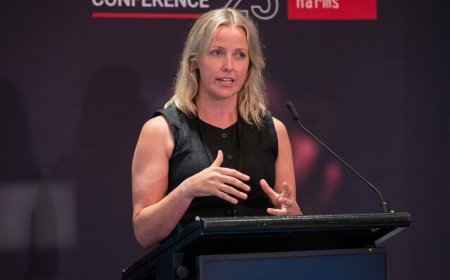
Anne Hollonds, former Australian National Children’s Commissioner and spokesperson for the Justice Reform Initiative, criticised the approach as ineffective and harmful.
“We are spending record amounts on a system that almost all children come back to.
"Around 85% of children released from detention return to sentenced supervision within 12 months.
"That is not success, it is a devastating policy failure that we continue to pay a growing premium for,” Ms Hollonds said.
“Instead of reducing crime or promoting community safety, detention compounds trauma disconnects children from education, family and community; and increases the likelihood they will continue to commit crimes.
"Yet governments are doubling down on the most expensive and least effective response," she said.
On an average day, 734 children are in detention nationwide, up from 711 the previous year, with 4,742 cycling through centres over the full year.
First Nations children, or Aboriginal and Torres Strait Islanders who are the original inhabitants of the continent and nearby islands, remain disproportionately affected, comprising 61.7% of those detained on an average day.
Numbers have risen sharply in several jurisdictions, up 86% in New South Wales since 2020-21, 50% in Queensland since 2019-20 and 74% in the Northern Territory over the same period, where 95.2% of detained children are First Nations.
“You cannot claim to be serious about closing the gap while expanding a system that disproportionately harms Aboriginal and Torres Strait Islander children,” Ms Hollonds said.
The sharpest increases have occurred in states previously seeing declines. Victoria's average daily number of children in detention rose 37% in one year, pushing annual spending close to A$350 million (US$243.6 million) the highest nationally.
Queensland detains the most children on an average night, about 290, and spends nearly A$300 million (US$208.8 million) annually.
New South Wales and South Australia also recorded rises in both average daily and yearly totals.
Ms Hollonds pointed to the spread of tough on crime policies as a driver of the reversal.
“These figures show the spread of ‘tough on crime’ politics into states that had been moving in a smarter direction,” she said.
“In Victoria, youth detention numbers were falling just two years ago. Now we are seeing a rapid reversal as punitive policies take hold.
"This is the same failed path we have already seen elsewhere,” she said
She called for urgent systemic reform, including national leadership to prioritise prevention, early intervention, diversion, bail support and First Nations-led community programs, which she said reduce offending and reoffending far more effectively than detention.
“Australians deserve a smarter approach and a better return on their tax dollars. We know that evidence-based early intervention programs can reduce crime at a population level by 5% to 31% and lower reoffending rates among children by 50%,” Ms Hollonds said.
“If even a fraction of this A$1.1 billion was invested in prevention, early intervention and community-led solutions, including those led by First Nations groups, we would see far better outcomes for children and for community safety, she added.
The Justice Reform Initiative has submitted to a federal Senate inquiry into youth justice, urging implementation of recommendations from Ms Hollonds’ 2024 'Help Way Earlier' report, including a National Taskforce, a dedicated Cabinet Minister for Children and a National Child Justice Action Plan.