
Zimbabwean Girls Among those Facing Growing Climate-Related Risks, Report Finds
By Delicious Mathuthu — A Plan International survey across five countries, including Zimbabwe, links drought and other climate shocks to increased gender-based violence, child marriage, unintended pregnancies and reduced access to essential services for girls.
 Delicious Mathuthu
Antalya, Türkiye — Girls in Zimbabwe and four other countries are facing increased risks of gender-based violence, child marriage and unintended pregnancies as climate shocks deepen household poverty and disrupt access to essential services, a new Plan International report has found.
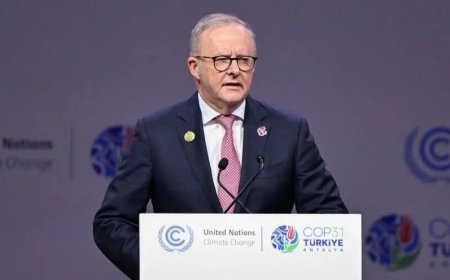
The findings come from a survey of 5,000 girls and young women aged 15 to 24 in Bangladesh, Kenya, Peru, Senegal and Zimbabwe, published ahead of the COP31 climate conference in Antalya, Türkiye, running from 9 to 20 November.
The report, Change Her Forecast, found that girls in communities where drought was the main climate event were almost twice as likely to report increased gender-based violence compared with those experiencing other climate-related events.
Nearly half, 48%, of respondents in drought-affected communities had observed an increase in gender-based violence, compared with 25% in areas affected by other climate events.
The research also found that 54% of girls in drought-hit communities had noticed more unintended pregnancies, compared with 29% elsewhere, while 60% reported an increase in girls marrying before the age of 18.
Drought was also associated with greater pressure on household survival.
Three-quarters of respondents in drought-affected areas reported losing access to food, compared with 34% in communities experiencing other climate events.
The research found that more than half, 53%, reported household income losses, against 24% elsewhere.
Across all the countries surveyed, nine in 10 girls said climate events, including floods, typhoons and fires, were placing serious pressure on their households' survival, health and stability.
More than three-quarters, 76%, said girls and young women in their communities were struggling to access at least one sexual or reproductive health service.
The report also highlighted heightened risks for girls from minority communities, who were twice as likely to face difficulties accessing services and nearly three times as likely to report unintended pregnancy.
In a statement, Plan International Australia Chief Executive Officer, Susanne Legena, said girls were bearing the consequences of a crisis they had little responsibility for creating.
“Girls pay the highest price for a crisis they did nothing to cause. They’re pulled out of school first, they eat last and they carry the heaviest burden when climate shocks hit, facing rising child marriage, violence and exploitation,” Legena said.
She called on Australia to match its climate leadership claims with stronger action, including commitments to climate finance and loss and damage funding.
Alongside the global research, Plan International Australia and the Pacific Islands Climate Action Network (PICAN) conducted research involving 53 community groups in Kiribati, Fiji, Solomon Islands and Bougainville.
The Pacific findings showed that 83% of groups had experienced disrupted seasons, while 53% reported climate-related interruptions to children's education.
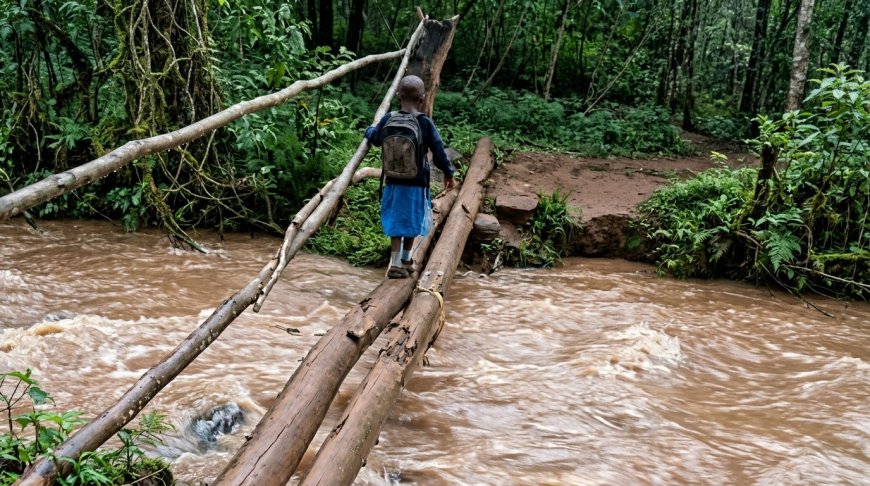
Girls pointed to flooded rivers preventing them from reaching school, as well as rising seas threatening ancestral knowledge and family graves.
Plan International said it will take a delegation of girls and young women from climate-vulnerable regions to COP31, where it intends to press governments, including Australia, to make climate commitments that address the specific risks facing adolescent girls.
The organisation is calling on Australia to provide AU$11 billion in new climate finance over five years from 2025 to 2030, delivered through public grants and directed towards services such as education, healthcare, clean water and protection.
It is also urging COP31 to establish a dedicated mandate on children and climate change, expand funding for loss and damage, and give girls greater influence in climate decision-making.
Plan International said only 2.4% of 591 projects approved by four major climate funds between 2006 and 2023 addressed children's needs, while fewer than four% meaningfully considered girls.
A key event hosted by Plan International Australia, The Tide Remembers: Pacific Stories of Loss, Damage and Gender Justice, will take place at the Moana Pavilion on 17 November.
The session will bring together Pacific voices, women and girls to discuss climate-related loss and damage, drawing on new research into the experiences of communities across the region.
Plan International Australia recently secured accreditation from the Green Climate Fund, allowing it to apply directly for climate finance to develop and deliver adaptation and resilience programmes.