Southern Africa' s Freedom of expression landscape at a crossroads-Dr. Moyo
n By Dumisani Ndlovu n nn n Namibia – Dr. Tabani Moyo, MISA Regional Director, delivered a critical assessment of the media and expression landscape across the Southern African Development Community (SADC) region at the 2025 Spaces of Solid
 anostrofy
 By Dumisani Ndlovu
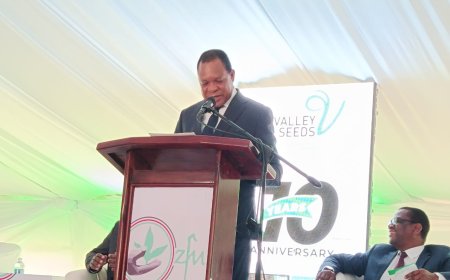
Namibia – Dr. Tabani Moyo, MISA Regional Director, delivered a critical assessment of the media and expression landscape across the Southern African Development Community (SADC) region at the 2025 Spaces of Solidarity (SoS) meeting in Windhoek. Marking the fourth anniversary of the SoS Forum, Dr. Moyo acknowledged past achievements while sounding an urgent call to action against a rising tide of threats that jeopardize hard-won freedoms.
"As a people, we have every reason to be proud of our historic efforts in establishing a collective agenda in response to the challenges affecting expression in the SADC region," Moyo stated, emphasizing Namibia's symbolic role as the birthplace of crucial declarations on media pluralism and information as a public good. However, he quickly pivoted to the formidable headwinds now confronting the region.
"Our region has never in its entire history faced such crossroads," Moyo declared, citing a confluence of global and regional crises. These include significant global funding cuts, the high-stakes environment surrounding elections, and the relentless march of technological change. He further elaborated on the compounding effects of international conflict, the escalating impacts of climate change, and the unsettling fragmentation of progressive forces amidst a resurgence of right-wing politics and an existential threat to the media ecosystem itself.
Moyo's analysis, informed by a survey of 100 respondents deemed "representative," painted a concerning picture. Only a precarious 10% of those surveyed perceive the SADC region as a truly free environment for expression, with the remaining majority experiencing varying degrees of restricted freedoms.
Crucially, the survey highlights that the overwhelming majority of threats – a staggering 84% – originate from governments and political parties. This stark statistic underscores a pervasive and consistent impediment to media freedom across member states.
Adding another layer of complexity, Moyo pointed out that over 65% of media and civic organizations in Southern Africa are small entities, comprising between one and twenty individuals. This demographic reality, coupled with the dominant threat from state actors, presents a critical strategic challenge. "If we do not rethink or reconsider our solidarity and collaboration approaches," Moyo warned, "this will lead to the suffocation of these small-to-medium-sized players." He championed these smaller entities as the "propellers of media development in the region and the global south."
Delving into the four core thematic areas championed by the SoS Forum – media policy and regulation, freedom of expression and access to information, safety and security of journalists, and cyber and digital rights – Moyo underscored the interconnectedness of these issues. While nine SADC countries have enacted Access to Information laws since South Africa's pioneering legislation in 2000, the pace of adoption and, more critically, the effective implementation of these laws and accompanying regulations remain sluggish.
"The most pressing issue is the delay in adopting dynamic regulations and effectively implementing the provisions of the acts and regulations accordingly," he stated. He lamented that often, these critical efforts are "diminished or suppressed by restrictive and sometimes outdated cybersecurity laws common in the region," frequently enacted under the guise of combating "fake news" while facilitating increased surveillance. The looming specter of artificial intelligence and its regulation is poised to further intensify these challenges.
The grim realities of journalist safety were starkly illustrated through harrowing examples. Moyo recounted the unsolved disappearances of Tanzanian journalist Azory Gwanda and Mozambican journalist Ibraimo Abú Mbaruco, as well as the recent forced abduction of Arlindo Chissale in Mozambique. He also noted instances of journalists being killed, assaulted, and arrested for carrying out their professional duties.
Dr. Moyo took the time to lay out a clear roadmap for forward momentum. He emphasized the imperative need for solidarity and collaboration, calling for a reimagining of strategic approaches to fortify the media ecosystem, drawing inspiration from IFEX's collaborative principles to bolster small and medium-sized players. He underscored the necessity of research-based interventions to inform high-level advocacy and national policy formulation, and the critical importance of positioning the domestication of the UN Plan of Action on the Safety of Journalists and the Issue of Impunity. Finally, he championed monitoring and networking as essential components for knowledge sharing, experience exchange, and the organic advancement of the struggle for expression in Southern Africa.
"These small-to-medium-sized players are the propellers of media development in the region," Moyo reiterated, signaling that the future of expression in Southern Africa hinges on a revitalized and unified approach to collective action.