Inside Guinea Fowl Primary’s Legal Battle With Parents, School Fights for Outstanding Fees in Court
n By Dumisani Ndlovu n nn n Gweru - The Gweru Civil Court recently witnessed a queue of cases before the Magistrate, telling a familiar but unsettling story of Zimbabwe’s education system under strain. n nn n One by one, names of parents an
 anostrofy
 By Dumisani Ndlovu
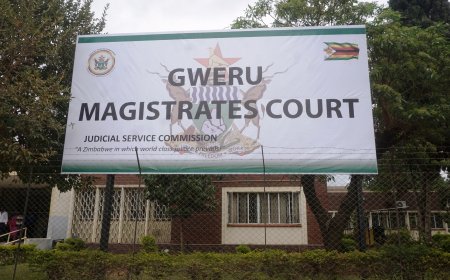
Gweru - The Gweru Civil Court recently witnessed a queue of cases before the Magistrate, telling a familiar but unsettling story of Zimbabwe’s education system under strain.
One by one, names of parents and guardians were called out, over 200 in total, all linked by a single issue, unpaid school fees at Guinea Fowl Primary School.
The school, seeking to recover more than US$20 000 in outstanding fees and levies, with individual debts ranging from US$70 to US$300.
Most of the affected families come from surrounding mining communities, where income is often erratic and employment uncertain.
For some parents, the court appearance came years after their children had already completed primary education, for others, it concerns learners still at the school.
Testifying before the court, Guinea Fowl Primary School Deputy Headmistress, Chipo Musarurwa, painted a picture of a school pushed to the brink by chronic non-payment.
She said the accumulation of arrears had disrupted daily operations to such an extent that the institution was struggling to purchase basic necessities, including bond paper required to administer examinations.
“Without fees, the school simply cannot function,” Musarurwa told the court, explaining that parents were expected to pay fees and levies either in advance or before the end of each term.
Despite repeated reminders, many accounts had remained unsettled, she said.
Several parents however failed to appear despite having been served with summons.
Among those cited were elderly grandparents who had stepped in to care for their grandchildren after the children’s parents remarried and migrated, and they had fallen on hard times themselves.
Presiding Magistrate, Beaulity Dube, sought to strike a balance between enforcing the law and acknowledging the realities faced by vulnerable families.
She ordered parents to settle their arrears before the end of the year, 2025, but extended leniency to some grandparents, granting them additional time beyond the deadline.
“Clearing arrears does not mean parents are excused from paying fees for the current term,” Magistrate Dube cautioned, warning that obligations to the school should be settled.
Inside the courtroom, pleas for mercy reflected the broader economic hardships gripping many households.
Some parents cited unemployment and the rising cost of living, while one asked for a full year to repay a US$520 debt, an amount that had quietly accumulated over several terms.
Gweru District Schools Inspector, Tranos Mahlokozera, described the school’s decision to approach the courts as procedural rather than punitive.
He noted that the law allows schools to recover unpaid fees through civil litigation when other engagement efforts have failed.
The case is unfolding against the backdrop of a landmark 2011 Bulawayo High Court ruling by Justice Maphios Cheda, which barred schools from expelling pupils or withholding examination results due to non-payment of fees.
The judgment firmly established that children should not be used as leverage in financial disputes between schools and parents.
At the same time, the ruling affirmed schools’ right to pursue civil remedies against defaulting parents, including the attachment of movable property, a provision that continues to divide opinion.
Critics argue that such measures deepen the burden on already struggling families, clashing with constitutional provisions that guarantee access to basic education.
Under existing regulations, schools are required to exhaust formal engagement with parents through reminder notices and demand letters before resorting to legal action.
Where arrears persist, institutions may turn to the courts or explore alternative dispute resolution mechanisms such as mediation or arbitration.