Dorset Farmers in Panic as Cattle Herds Dwindle
 Kwedu News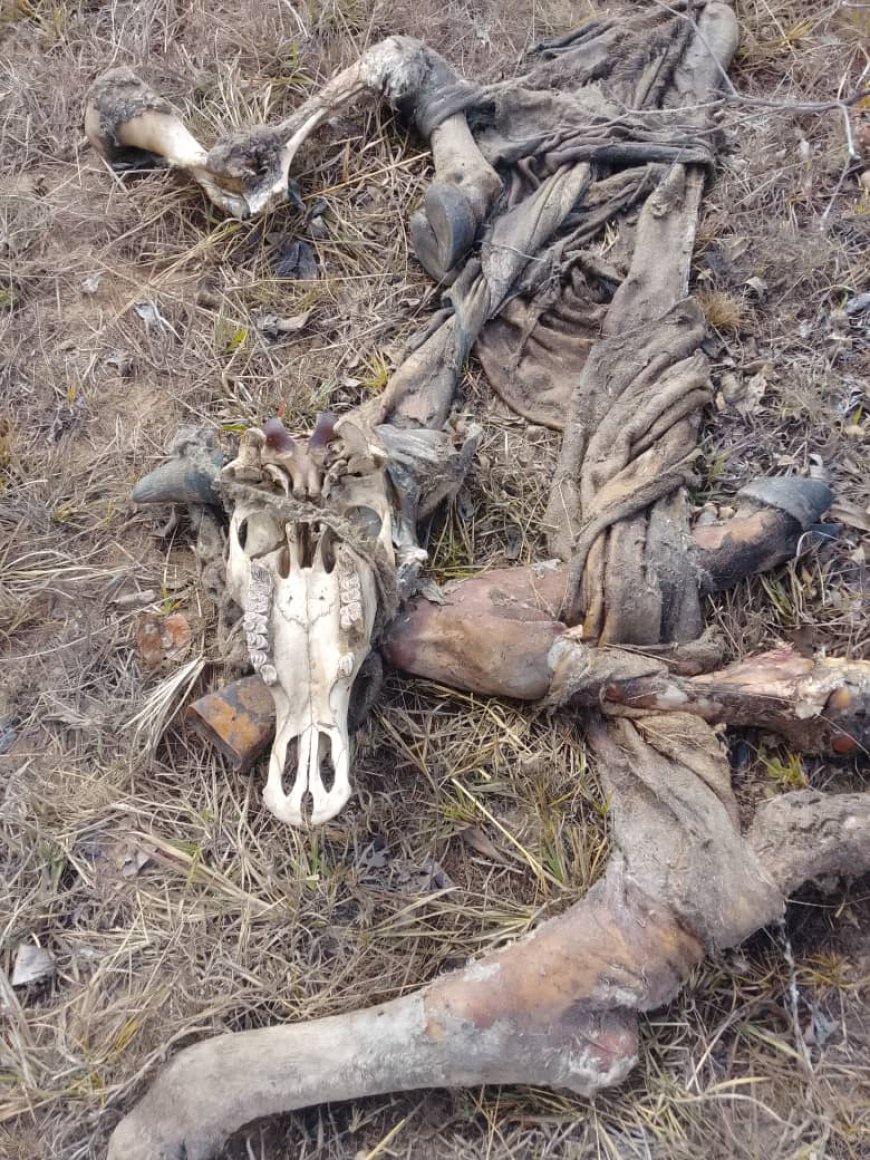
By Siphosami Ndlovu
Shurugwi — A livestock crisis is unfolding in Shurugwi, Dorset area, where farmers are reporting continuous cattle deaths that have eroded household wealth, triggering panic among livestock owners.
The farmers say the cause of the deaths remains unclear, with no clear diagnosis or effective treatment identified in their communities.
For many rural families, cattle are a form of savings, food, school fees and financial safety net.
Farmers now fear that the safety net is steadily disappearing.
Some affected farmers are alleging that even cattle belonging to people connected to Veterinary Services have reportedly been affected.
“If it was ticks, why are even veterinary officials’ own beasts dying?” One farmer asked.
Another farmer, who lives near a veterinary official, claimed the official had lost more than 10 cattle.
“When a doctor panics, what about the general populace?” the farmer asked.
Farmers allege that Veterinary Services, the responsible ministry and other authorities have not adequately communicated with affected communities.
They claim that some engagements with officials have focused on outstanding dipping levies rather than the unexplained cattle deaths.
“The blame game doesn't work. Cattle are just dying,” farmers said.
Whether the deaths are linked to ticks, another infectious disease, environmental factors, animal husbandry practices or a combination of factors, farmers say it remains unknown.
But the lack of clear information has created an information vacuum, and that vacuum is fuelling fear, speculation and potentially risky decisions.
Farmers say around January, the deaths had begun affecting the local cattle market, with some desperate livestock owners selling animals at sharply reduced prices.
One farmer alleged that buyers arrived at his homestead, accompanied by people he identified as slaughterers.
“They offered $100 for my affected cow and its calf. I refused. I told them I prefer to slaughter it for my children," he said.
Some observers have said if sick or potentially infected cattle are being bought, transported or slaughtered without adequate veterinary assessment, the matter extends beyond individual financial losses. It becomes an animal-health and public-confidence issue.
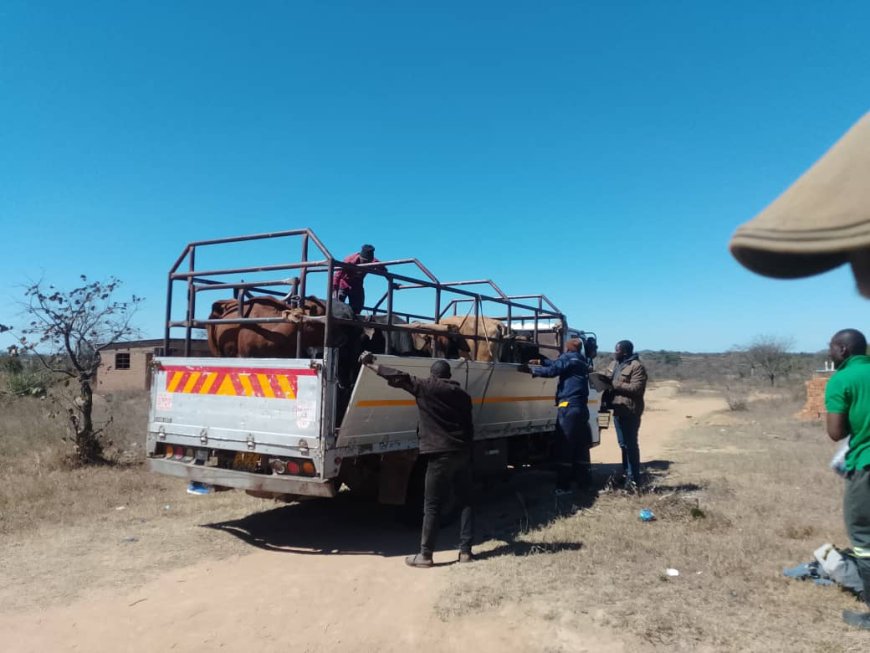 Cattle being loaded in trucks headed for salughter.
As local herds reportedly declined, farmers allege that buyers began sourcing cattle from areas as far as Deebers in Matabeleland and bringing them into Dorset.
The Dorset Business Centre has subsequently become a livestock loading point, some alleging that cattle have been tied around business premises, with shop verandas and other commercial spaces being used as makeshift loading areas.
“We come to do business, but we find cattle tied to our shop verandas.
“This business centre is for people, not for cattle kraals," one businessperson said.
One farmer claimed that as many as five trucks could be seen loading cattle at the centre at some point.
Some of the most serious allegations concern how cattle are allegedly being cleared for movement.
Farmers claim that some cattle are being “cleared on phone”, with buyers allegedly not physically present during inspections and, in some cases, based in Harare.
They further allege that cattle are being marked with a “J” to facilitate transportation to Harare.
Photos supplied to this publication appear to show police clearing cattle at Dorset Business Centre and individuals allegedly rebranding cattle nearby.
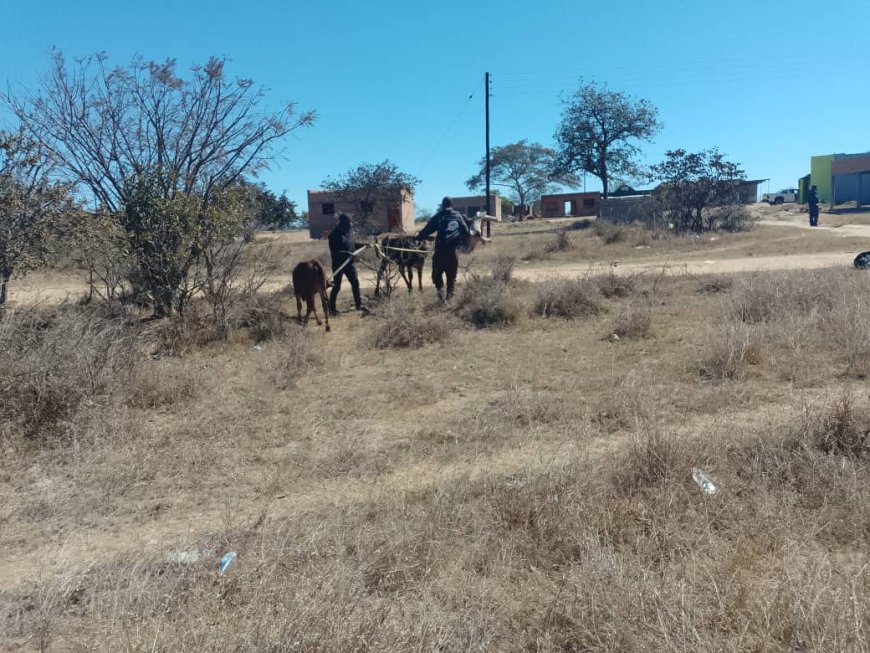 Cattle at the Dorset Business Centre.
A villager who requested anonymity said bypassing proper verification procedures could create opportunities for livestock theft.
“Shortcuts can fuel theft,” the villager said.
One food systems professional, who requested anonymity, said if an infectious disease is responsible for the deaths, moving cattle between communities without adequate inspection could potentially spread the disease to other areas, risking a local livestock crisis turning into a wider animal-health emergency.
Dorset farmers are calling for the Veterinary Services to establish the cause of the cattle deaths, communicate the findings clearly to affected communities and investigate allegations surrounding livestock movement.
They are also asking that proper physical inspection of animals and enforcement of applicable animal-health and movement requirements be enforced.
Local leader from the Dorset area, Tafara Mubereki, said attempts made to engage the responsible authorities were futile, as they were referred to Harare for answers.
“We have even tried to invite them on the farmers WhatsApp group to address panicking farmers, but they gave us a cold shoulder,” Mubereki said.