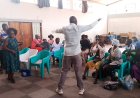
Community-Built Health Facility Brings Lifesaving Services Closer to Rural Families
A community-driven health facility in Runde Rural District is improving rural healthcare access by offering free outpatient, maternity, and child health services closer to residents, reducing long travel distances and strengthening local health delivery systems.
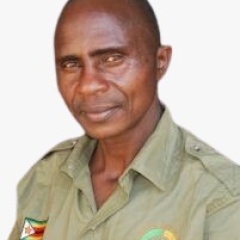 Dumisani Ndlovu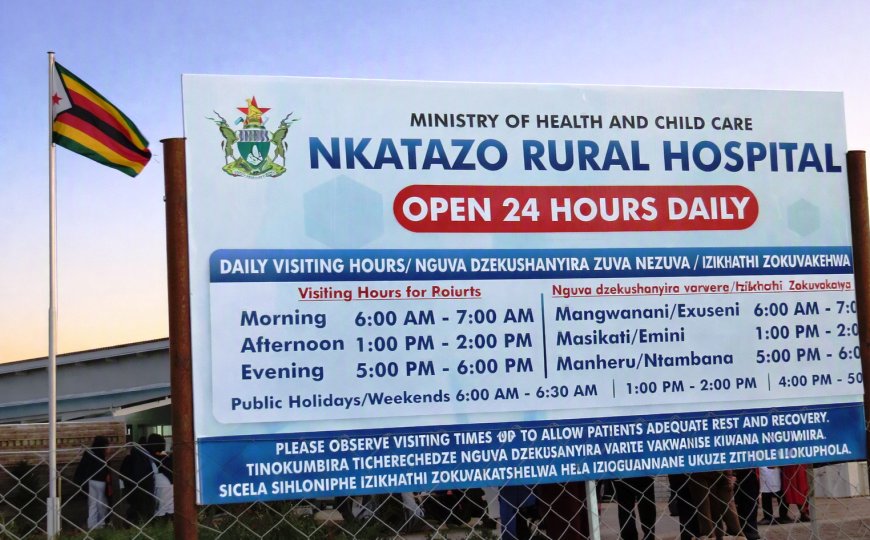
Zvishavane — Hundreds of families in Ward 10 under Runde Rural District Council are now accessing essential healthcare closer to home following the establishment of a new health facility constructed through a community-driven initiative spearheaded by philanthropist Themba Nkathazo Chakawa.
The facility, constructed in 2024 at an estimated cost of approximately US$500,000, was established after community concerns over the long distances residents travelled to access healthcare at Mabasa Clinic and Lundi Clinic.
Ward 10 Councillor Verengai Soulmeat said villagers from 22 village head jurisdictions had previously travelled between five and six kilometres to reach the nearest health facilities, making it difficult for expectant mothers, children, the elderly and other patients to receive timely medical attention.
"This project has transformed our community. For years, our people endured long journeys to access healthcare. Today, they can receive quality medical services much closer to their homes," said Councillor Soulmeat.
He said the health facility represents a significant milestone in improving healthcare access and complements Government efforts under the National Development Strategy 1 (NDS1) to strengthen health service delivery in rural communities.
The sister-in-charge of the facility said the institution is currently providing outpatient services, maternity care, child welfare services and family planning while awaiting its official opening.
"As of now, we are offering outpatient services, maternity services, child welfare and family planning services. We also have three wards—a children's ward, a female ward and a male ward—which are ready for use once the facility becomes fully operational," she said.
Zvishavane District Medical Officer Dr. Tapiwa Mavurayi said the Health Professions Authority had inspected the facility and granted it hospital status, although it is presently operating as an advanced clinic while awaiting full operationalisation.
Dr. Mavurayi said the facility has already been incorporated into the Government health delivery system and is receiving medicines through the National Pharmaceutical Company (NatPharm) and routine Government medical supply programmes.
"All outpatient services are being offered, immunisation services are available and uncomplicated deliveries are being conducted here. Patients requiring specialised care are referred to the district hospital using ambulance services," he said.
The facility is currently staffed by eight nurses together with community health volunteers and support personnel.
Dr. Mavurayi said Treasury had already been requested to approve additional posts required for the institution to operate fully as a rural hospital.
"We have bid for posts that include a resident medical officer, additional nurses and other essential support staff. Once these positions are filled, the facility will begin operating fully as a rural hospital," he said.
The health institution has three inpatient wards with a combined capacity of about 25 beds, while its maternity waiting shelter can accommodate about eight expectant mothers.
Healthcare services are currently being provided free of charge, with no patient turned away for inability to pay.
The facility is currently powered by a solar energy system. However, it is expected to be connected to the national electricity grid once it becomes fully operational as a fully fledged rural hospital. Electricity infrastructure has already been extended to the site, with only the final connection remaining.
Construction of the health institution was undertaken through a community participation model, with local residents voluntarily contributing labour throughout the building process rather than receiving wages.
Councillor Soulmeat commended philanthropist Themba Nkathazo Chakawa, for funding the project, describing it as a transformative investment that will significantly improve healthcare delivery for thousands of people in the surrounding communities.
District Development Coordinator Darlington Chokera also attended the tour of the new health facility, which is expected to play a key role in expanding access to quality healthcare services across the district.