Over 200 Artisanal Miners Receive Free Silicosis, TB and HIV Screenings in Shurugwi Outreach
By Delicious Mathuthu - More than 200 artisanal miners in Shurugwi received free silicosis education, TB, HIV and other health screenings during a World Patient Safety Day outreach led by WICO and partners, including the Ministry of Health, NAC, CIMAS, Sexual Rights Centre and others.
 Delicious Mathuthu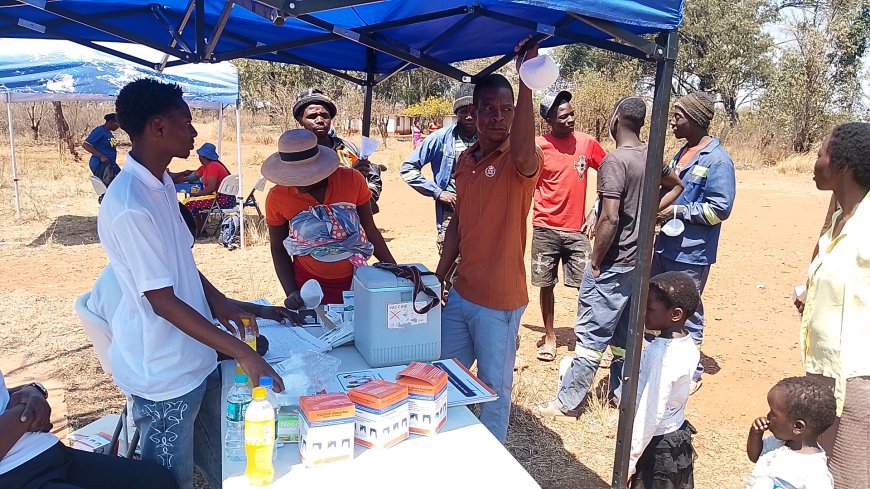
Shurugwi — More than 200 artisanal miners and their dependents accessed free integrated health services, including silicosis education, Turbercolosis (TB) and HIV screening, on World Patient Safety Day at the Surprise Mining Compound.
The outreach, held on 17 September in the Midlands mining town, brought together the Ministry of Health and Child Care, National AIDS Council (NAC), CIMAS, the Sexual Rights Centre (SRC), the Human Impact Hub, and others.
Organisers focused on silicosis, a major non-communicable disease linked to mining dust exposure, while offering wider services such as family planning, cervical cancer screening, dental care and medication.
Women In Communities (WICO) Director, Rebecca Chirenga, said the event aligned with the global theme of promoting patient safety and early action on non-communicable diseases.
“Because we’re in Shurugwi and we’re in a mining town our focus was mostly on silicosis, one of the most common NCDs (Non-Clmmunicable Diseases),” she said.
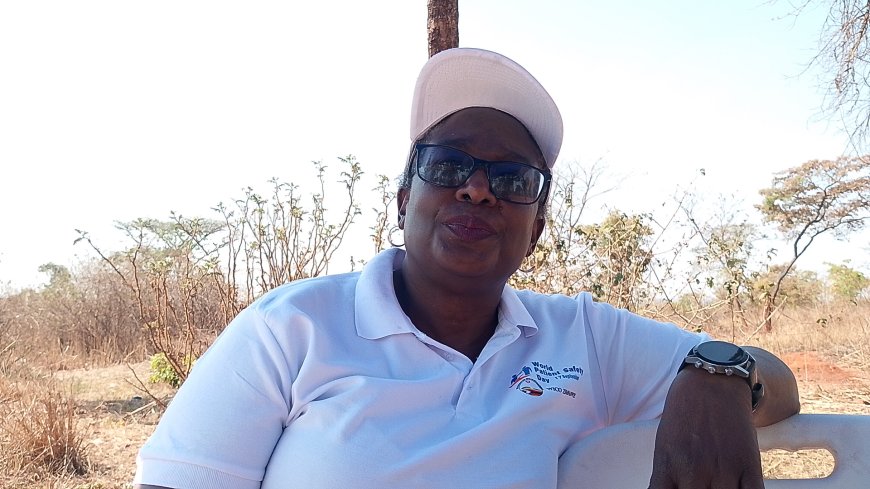 Women In Communities Director, Rebecca Chirenga.
WICO colleagues, Alice Ncube and Priscillah Sibangani, joined her in engaging the miners directly on the health risks they face daily.
Community Health Nurse at Shurugwi District Hospital, Albert Tichaona Manhingi, described the exercise as a fully integrated outreach.
Services included sputum collection for GeneXpert TB testing, HIV screening under confidential conditions, and visual inspection with acetic acid for cervical cancer.
“We are greatly confident that this is an important step in providing access to quality health services to the communities, especially concerning miners and their dependents, because of the nature of their work, they are prone to TB silicosis,” Manhingi said.
He urged authorities to stage similar programmes regularly to catch chronic conditions early, including hypertension, asthma and mental health issues.
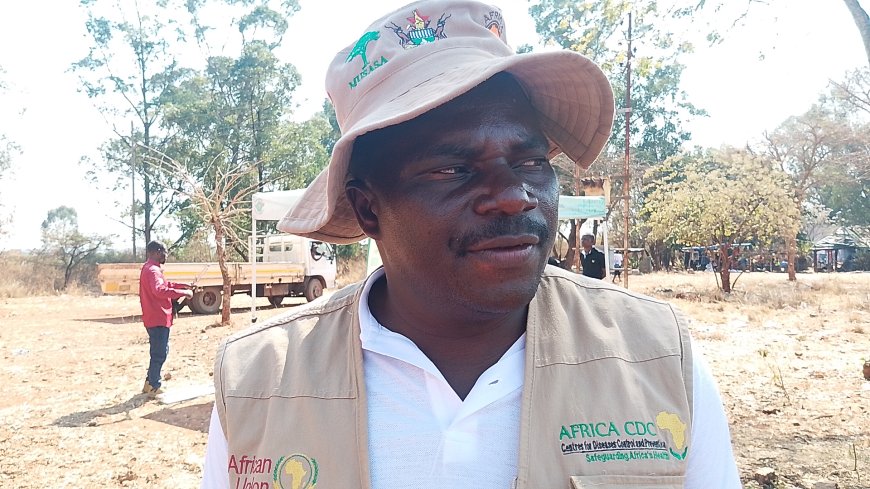 Community Health Nurse at Shurugwi District Hospital, Albert Tichaona Manhingi.
Supporting teams included CIMAS IGO Wellness Coach, Sihle Dube, who spoke to miners about preventive care; Kudzai Nyoni, the Programmes Lead at the Sexual Rights Centre, and Programmes Officer Jediah Makava, who addressed sexual and reproductive health rights; Human Impact Hub which is under the Ministry of Health and Child Care Health Promotions Officer, Phillimon Phillimon; and Trina Matava, Dental Therapist at Shurugwi Hospital, who provided oral health support on site.
Also supporting was Environmental Health Technician from Chikwingwizha Mission Hospital in Shurugwi, Mannfred Shereni, who shared information on TB.
Some artisanal miners expressed relief at the free care.
Pride Chirashanye said every person who sought help was attended to without being turned away.
Alexander Nyathi, who received multiple tests at no cost, noted that most artisanal miners lack money for treatment.
“Most of us are poor and have no access, or we have no money for medication.
"So I thank them, I was assisted with different tests without paying, for free,” he said.
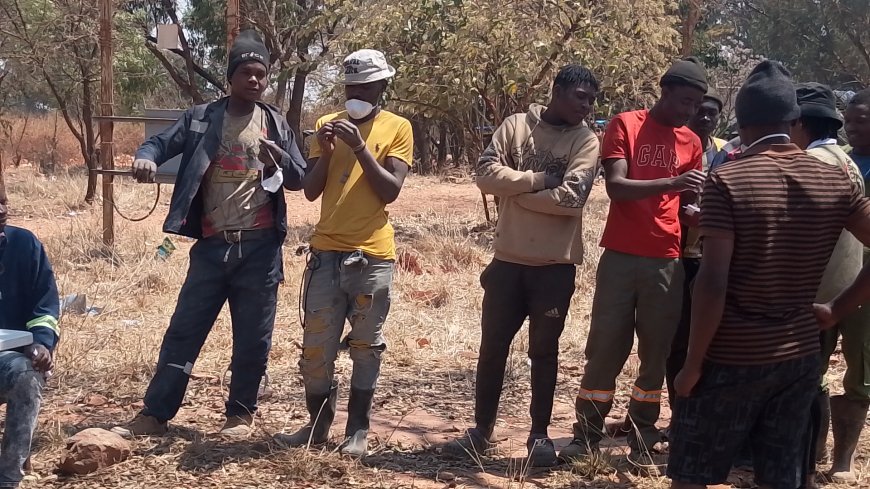 Some artisanal miners who were part of the day's activities in Shurugwi.
Another artisanal miner, Steven Nyoni from Binga, added that miners often delay seeking help until they are seriously ill.
“They called us and people came in their numbers, we thank them for what they have done for us today,” he said, though he was referred to hospital for an eye check he could not complete on site.
Organisers and participants praised the joint effort for bringing services directly to a hard-to-reach workforce.
Officials also said sustained outreach of this kind remains essential to protect mining communities from preventable and treatable diseases.
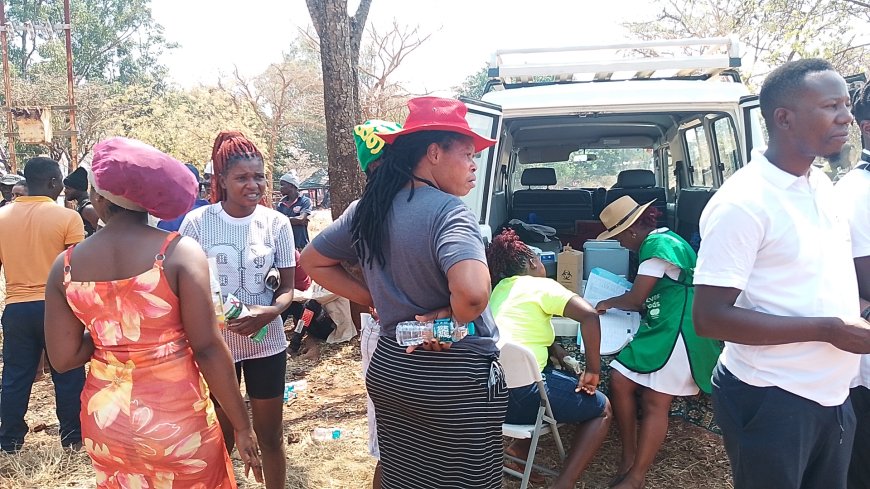 Available medication was distributed to the miners and their dependants.