BRICS Call for Bigger African Voice in Global Governance
By Delicious Mathuthu — BRICS leaders have called for greater representation of African and other developing countries in global decision-making, including reforms to the United Nations Security Council and Bretton Woods institutions.
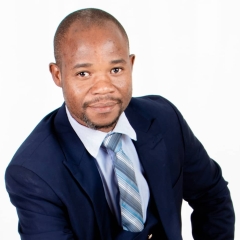 Delicious Mathuthu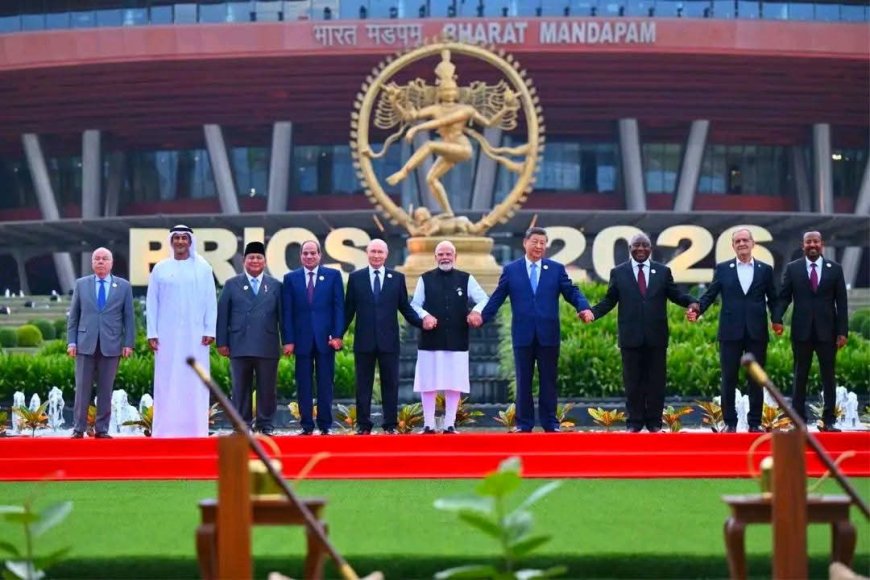
New Delhi — BRICS leaders have thrown their weight behind a bigger role for African and other developing countries in global decision-making, calling for reforms that would give the Global South greater representation in institutions such as the United Nations (UN) and the Bretton Woods financial institutions.
The call was contained in the New Delhi Declaration adopted at the 18th BRICS Summit in India, where leaders said the changing global balance of economic and political power required a more representative international system.
“We reiterate our commitment to ensuring greater and more meaningful participation and representation of Emerging Markets and Developing Countries (EMDCs), as well as Least Developed Countries (LDCs), especially from Africa, Asia and Latin America and the Caribbean, in global decision-making processes and structures,” the block said.
The declaration also called for greater geographical representation within the UN Secretariat and other international organisations, particularly at senior and decision-making levels.
“We stress the need for the selection and appointment process of the UN executive heads and senior positions to be guided by the principles of transparency and inclusiveness,” the leaders said, adding that there should be “no monopoly on senior posts in the UN system by nationals of any State or group of States”.
BRICS leaders pointed to the continued under-representation of developing countries at the highest level of the UN, noting that no woman had ever been elected Secretary-General, while only one national from Latin America and the Caribbean and two nationals each from Africa and Asia had occupied the position.
The declaration placed particular emphasis on reform of the UN Security Council, saying developing countries needed a greater voice in an institution responsible for addressing major international security challenges.
The leaders said they supported a comprehensive reform of the UN, including its Security Council, with the aim of making it “more democratic, representative, effective and efficient”.
BRICS said such reform should increase developing-country representation and support the aspirations of countries from Africa, Asia and Latin America and the Caribbean, including bloc members, to play a greater role in international affairs.
“We recognise the legitimate aspirations of African countries, as reflected in the Ezulwini Consensus and Sirte Declaration,” the grouping said.
“We stress that the UN Security Council reform is to lead to the amplified voice of the Global South,” they said.
China and Russia, which are permanent members of the Security Council, also reiterated their support for Brazil and India to play a greater role in the UN, including the Security Council.
Beyond political representation, BRICS leaders linked global governance reform to changes in the international financial system, arguing that the growing contribution of emerging and developing economies to the world economy should be reflected in their influence over global financial institutions.
“With the growing share of EMDEs (Emerging Markets and Developing Economies) in global output and growth, reform of global economic governance remains a consistent BRICS priority,” they said.
The leaders called for international financial institutions to become “more representative, transparent and accountable” and reiterated the urgent need to reform the Bretton Woods Institutions to make them more inclusive and representative.
“The voice and representation of EMDEs in the BWI must reflect their relative position in the global economy,” they said.
They also called for merit-based, inclusive and transparent processes for selecting the leadership of the International Monetary Fund and World Bank, with greater regional diversity and representation of emerging and developing economies.
BRICS further reaffirmed its support for reform of the World Trade Organisation and a more open, equitable and predictable multilateral trading system.
The declaration said the Global South had an important role to play in shaping the international system, with BRICS pledging to remain a platform for articulating the interests of developing countries.
BRICS countries said they will continue playing a pivotal role in voicing the concerns and priorities of the Global South.
The bloc said a more representative international order should be based on international law and should provide developing countries with greater opportunities to participate in global political and economic decision-making.