Young Artisans of Gweru: A Beacon of Hope in Zimbabwe’s Economic Revival
In Gweru, the Multi‑Aid Support Organisation (MASO) is at the heart of a quiet revolution. Three hundred and fifty‑five young men and women have stepped beyond the confines of unemployment and vulnerability, armed not only with vocational certificates but with toolkits that symbolize agency and resilience. Their six‑month immersion in trades such as carpentry, solar installation, clothing technology, cosmetology, and mechanical engineering was more than training—it was a deliberate passage into self‑sufficiency. What emerged was not a graduation ceremony, but a portrait of renewal: youth transforming skill into survival, survival into enterprise, and enterprise into community strength.
 Dumisani Ndlovu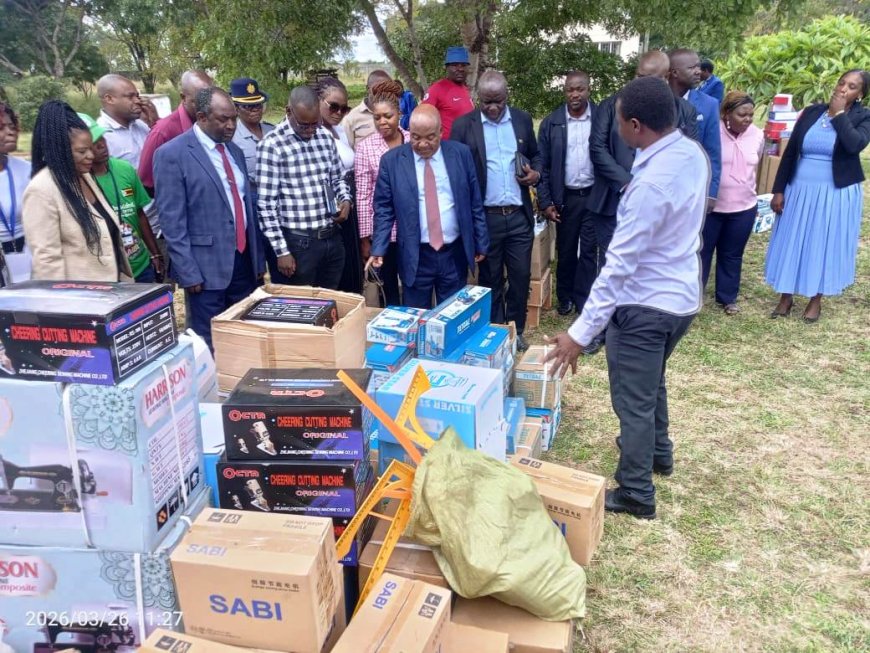
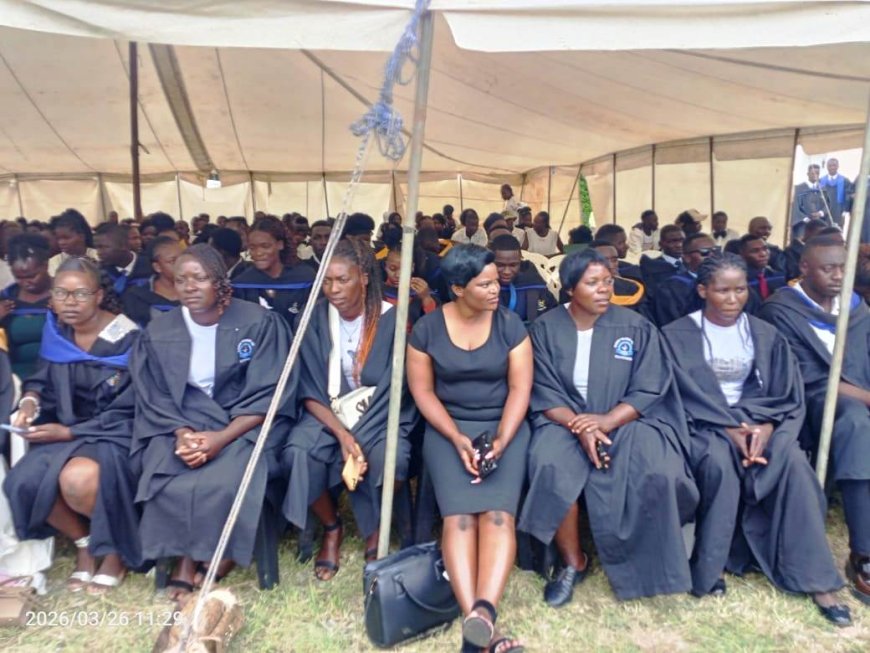
In a transformative ceremony held in the heart of Gweru, 355 young men and women have taken significant strides towards economic empowerment, transitioning from a six-month vocational training program into a new chapter of self-sufficiency and enterprise. The initiative not only exhibit the urgent need for skilled labor in Zimbabwe but also symbolizes a shift in the development narrative—where tools, trade, and tenacity are harnessed to combat the rising tide of unemployment and youth vulnerability.
These graduates have emerged as part of an innovative productive class, ready to become the artisans, builders, and designers that their communities desperately need. In a country where formal employment opportunities remain scant, they embody a new spirit of resilience—turning skills into survival, and survival into sustainable enterprise.
The vocational training program covers a wide array of trades, including metal fabrication, carpentry, clothing technology, solar installation, cosmetology, and mechanical engineering. These skills reflect the pressing requirements of Zimbabwean society, addressing immediate community needs such as constructing homes, repairing machinery, and fostering livelihoods.
Willie Mponda, chairperson of the Multi-Aid Support Organisation (MASO), emphasized the importance of this initiative, noting, “We are not just handing out certificates; we are cultivating a generation of skilled workers equipped to meet the demands of our economy. This is about creating an ecosystem of opportunity, not merely an act of charity.”
At the heart of this initiative is a collaborative approach that brings together various stakeholders, including the Ministry of Youth Empowerment, Development and Vocational Training, Young Africa International, and the Oak Foundation Zimbabwe. This partnership-focused model shifts the narrative from one of patronage to shared responsibility, fostering a collective commitment to elevate the youth’s prospects.
The outreach of the program spans across Gweru, Shurugwi, and Chiundura, integrating climate-smart agriculture into the curriculum to meet the needs of rural participants. This expansion illustrates a critical understanding that access to opportunity must not be confined to urban areas.
What distinguishes this initiative is its commitment to bridging the gap between training and employment. Graduates leave not only with knowledge but also equipped with essential tools for their trades—welding machines, sewing kits, and carpentry tools. Mponda remarked, “Skills, when paired with tools, become engines of dignity. We are not just preparing students; we are setting the stage for them to become entrepreneurs.”
Additionally, the establishment of a Skills Hub signals a conceptual shift towards fostering an entrepreneurial culture. This facility aims to transform informal ambitions into structured enterprises, offering a nurturing environment for innovation and economic growth.
Government officials have recognized the essential role of vocational training in achieving inclusive growth. Chief Director Elias Murinda highlighted vocational training as a pivotal avenue through which young people can bolster local industries and cultivate self-reliance. “This program is integral to our national vision,” he stated, reinforcing the importance of investing in the youth.
However, the program faces significant challenges. Jona Matsiwo, principal of Gweru Vocational Training Centre, pointed out the persistent issues of aging equipment, limited funding, and stalled infrastructure projects. “While we have a vision, we must also acknowledge the necessity of sustained investment to realize these goals,” he cautioned.
For the graduates, the future teeters on the edge of promise and uncertainty. Their aspirations range from opening welding shops and launching tailoring businesses to forming construction teams. These modest yet impactful ventures are essential in a landscape where opportunities are scarce, and they carry the potential for transformative change.
The shift in mindset among these young individuals signifies more than just vocational training; it marks a quiet revolution towards agency and entrepreneurship. Rather than waiting for opportunities to materialize, they are determined to forge their paths.
As the graduation ceremony concluded, the imagery of young Zimbabweans armed with toolkits rather than trophies lingered in the air—a powerful reminder that they are stepping into a future they must construct with their own hands. Mponda’s concluding words resonated with conviction: they are not merely graduates; they are artisans, entrepreneurs, and innovators—custodians of their own destinies.
In a nation often characterized by economic strain, Gweru stands as a beacon of possibility. This story is not one of limitation, but of intentional creation—where futures are not just discovered but actively forged through skill and determination. As Zimbabwe continues to navigate its path towards recovery, the young artisans of Gweru embody the hope and resilience needed to build a brighter tomorrow.