Banks Push RBZ to Ease Policy as High Interest Rates Choke Credit Growth
Zimbabwe’s banks are pressing the RBZ to lower its 35% policy rate, saying restrictive monetary conditions are limiting credit and slowing recovery despite stabilised inflation. Industry leaders warn that affordable financing is critical to support growth in manufacturing and retail.
 Dumisani Ndlovu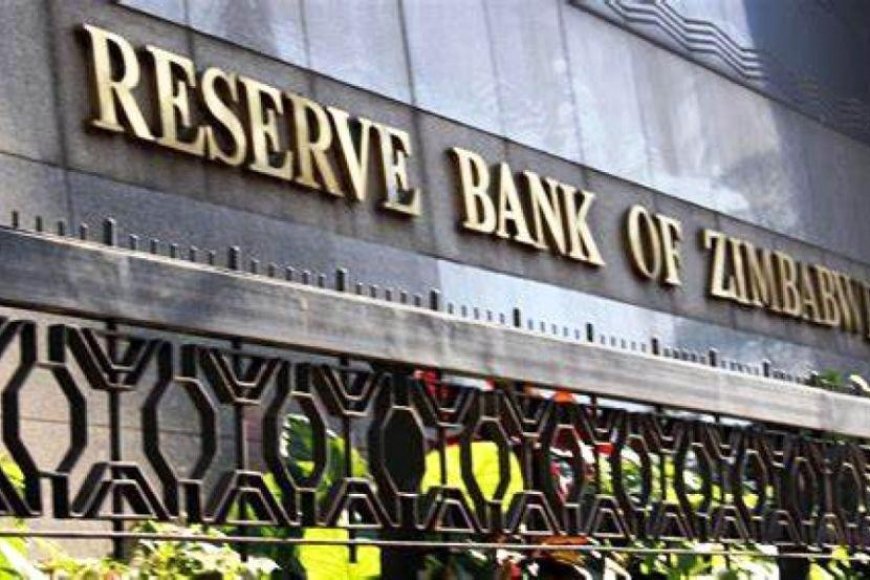
HARARE – Zimbabwe’s banking sector is intensifying pressure on the Reserve Bank of Zimbabwe (RBZ) to recalibrate its tight monetary policy stance, warning that persistently high interest rates are constraining lending and slowing economic recovery.
Industry leaders acknowledge that the RBZ’s measures since 2024 have restored macroeconomic stability, stabilised the exchange rate and significantly reduced inflation. However, they argue that the policy stance is now limiting access to affordable credit.
Financial results for 2025 show a return to profitability for major institutions including NMB Bank Zimbabwe, FBC Bank Zimbabwe and CBZ Bank Zimbabwe, but analysts say lending activity remains subdued.
Tapiwa Sibanda of Trade Winds said the sector’s improved earnings mask underlying constraints caused by restrictive monetary conditions.
Business leaders including Pearson Gowero and James Prince Mutizwa warned that limited access to competitively priced financing is affecting productive sectors such as manufacturing and retail.
At issue is the RBZ policy rate of around 35%, which banks say is misaligned with inflation now in single digits.
RBZ Governor John Mushayavanhu has urged banks to utilise the Targeted Finance Facility, but uptake remains low due to high borrowing costs.
The Bankers Association of Zimbabwe says lending remains demand-driven, with chief executive Fanwell Mutogo stressing that credit can only flow to viable projects.
Economists say policymakers now face the challenge of balancing stability with growth by unlocking affordable credit without reversing gains.