Zim Fuel Shock: War in Middle East Drives Prices Higher
Zimbabwe’s energy regulator on Wednesday announced a sharp increase in domestic fuel prices, citing the "astronomical" rise in international benchmarks triggered by the escalating military conflict between the United States, Israel, and Iran.
 Delicious Mathuthu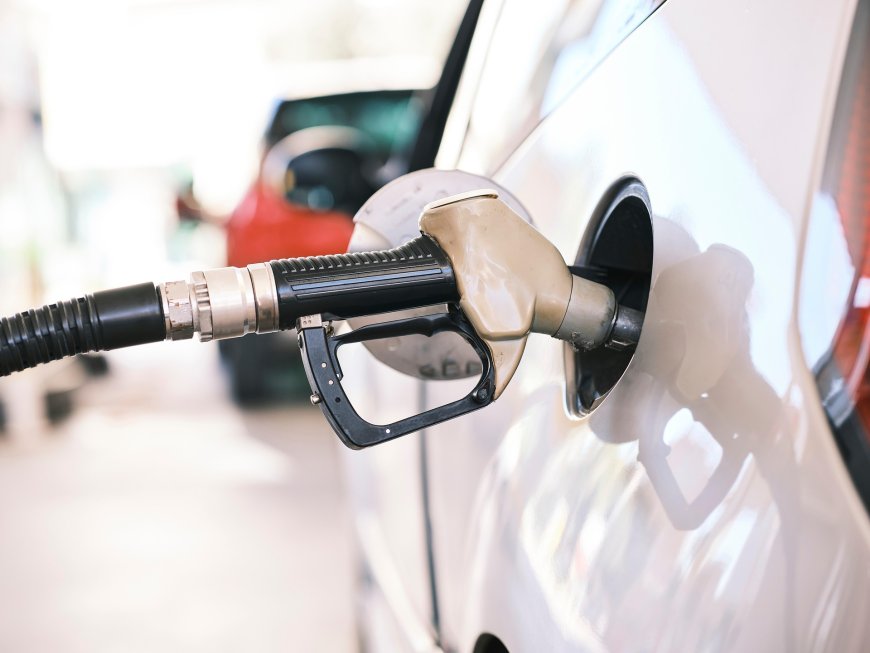
Harare - Zimbabwe’s energy regulator announced a sharp increase in national fuel prices on Wednesday, February 4, as the intensifying military conflict between the United States, Israel and Iran continues to destabilize global energy markets and disrupt critical supply chains through the Strait of Hormuz.
The Zimbabwe Energy Regulatory Authority (ZERA) released its updated pricing schedule effective March 4, 2026, revealing that the maximum pump price for Diesel 50 has risen to US$1.77 per litre, a 16.4% increase from the February price of US$1.52.
Similarly, the price for Blend (E5) petrol surged from US$1.56 to US$1.71 per litre, representing a nearly 10% jump in less than a month.
In local currency terms, the shifts were even more pronounced; Diesel 50 rose from ZiG 38.84 to ZiG 45.55 per litre, while Blend (E5) moved from ZiG 40.04 to ZiG 44.01.
In a statement accompanying the new price list, ZERA acknowledged that the domestic adjustments were a direct consequence of astronomical increases that have happened from changes in the "international market."
The regulator noted that the Zimbabwean Government intervened to prevent an even more catastrophic price shock for consumers.
"The above prices are as a result of Government reducing some of its charges to cushion the consumers," the ZERA communiqué stated, adding that without such intervention, market rates would have reached US$1.90 for diesel and US$1.81 for petrol.
This fuel price spike is not new to Zimbabwe. A similar shock was felt by Zimbabweans in September2023 after ZERA approved prices almost similar to yesterday's increases.
The fuel prices for diesel and blend, then, increased to USS$1.76 and US$1,65 respectively.
The current price hike comes as global Brent crude benchmarks surged toward US$82 per barrel (about 159 litres) this week following joint U.S.-Israeli strikes on Iranian infrastructure.
Economic analysts in Harare are on record warning that such increases will exert significant inflationary pressure on a Zimbabwean economy already grappling with high logistics costs.
Professor Gift Mugano, a prominent Zimbabwean economist, cautioned that the ripple effects would be felt most acutely by the vulnerable.
"In an economy as fuel-dependent as Zimbabwe's, pump prices are never just about transport," Mugano said, "a fuel price spike of this magnitude will further erode household purchasing power and push more of the population into deeper food insecurity," he added.
Echoing these concerns, development economist, Dr. Prosper Chitambara, noted that, "fuel is the lifeblood of the economy. Without a robust strategic reserve, we are at the mercy of international disruptions."
He further observed that the adjustment comes at a critical time when Zimbabwe already maintains some of the highest fuel prices in the region due to a complex web of taxes and levies.
The immediate outlook for the next two weeks remains precarious as ZERA officials stated they would be closely monitoring the market developments to ensure that there is adequate supply in the market, amid fears that prolonged maritime insecurity in the Middle East could lead to physical shortages.
Zimbabwe relies heavily on fuel imports via the Beira pipeline and road haulage, hence the combination of rising procurement costs and increased maritime insurance premiums represents a significant threat to fiscal stability through the first half of 2026.