Mnangagwa Son’s Army Promotion Sparks Constitutional Clash: Prof. Madhuku
A legal and political clash has erupted over President Emmerson Mnangagwa’s decision to promote his son, Sean Mnangagwa, to lieutenant‑colonel in the Zimbabwe National Army. Constitutional law expert Lovemore Madhuku argues the move breaches conflict‑of‑interest principles, insisting the President should have recused himself. Presidential spokesperson George Charamba counters that the promotion was lawful.
 Dumisani Ndlovu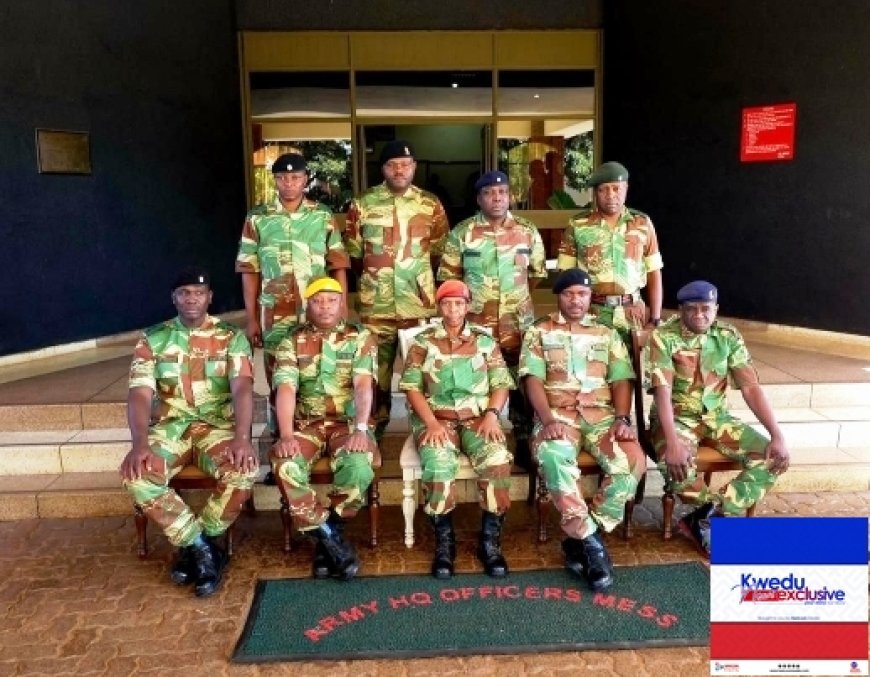
Harare - A legal and political debate has emerged following the promotion of President Emmerson Mnangagwa’s son, Sean Mnangagwa, to the rank of Lieutenant-Colonel in the Zimbabwe National Army (ZNA), with opposing interpretations of the Constitution coming to the fore.
Constitutional law expert, Professor Lovemore Madhuku, argues that the President acted improperly by presiding over a process in which he had a direct personal interest.
Sean Mnangagwa was among nine officers elevated from Major to Lieutenant-Colonel, a senior command rank typically associated with leading a battalion or holding key staff responsibilities.
Prof. Madhuku contends that the issue is not the promotion itself, but the principle of conflict of interest.
He maintains that when a president is personally affected by a decision, particularly involving a close family member, constitutional norms require that authority be delegated.
According to Prof. Madhuku, in such circumstances the President should be treated as effectively “absent” from the decision-making process, allowing a Vice President to exercise those functions.
Drawing parallels with judicial ethics, he argued that public office cannot be used to override the need for impartiality, insisting that decisions involving a spouse or child must be handled by an alternative authority to preserve constitutional integrity.
However, this position has been rejected by Presidential Spokesperson, George Charamba, who defended the promotion as both lawful and procedurally sound.
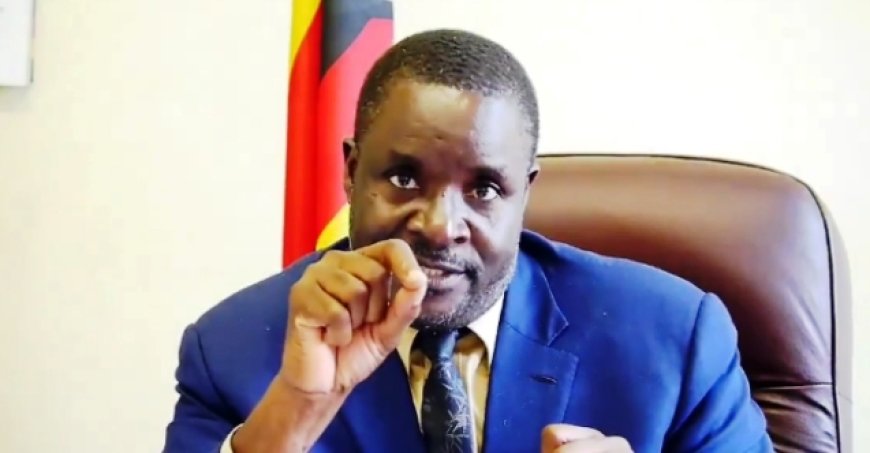 Presidential spokesperson George Charamba
Charamba argued that President Mnangagwa, in his capacity as Commander-in-Chief of the Zimbabwe Defence Forces, holds an “absolute and indivisible” constitutional mandate over military promotions.
He said the President’s decision followed established military procedures, including recommendations from relevant Zimbabwe Defence Forces structures, and dismissed any suggestion of impropriety as unfounded.
He further accused Madhuku of selectively targeting Sean Mnangagwa on the basis of family ties, arguing that all nine officers promoted had met the required professional standards through years of service and training.
Charamba described the criticism as “legally fatuous and socially spiteful,” and maintained that there is no legal requirement for the President to recuse himself or delegate authority in such cases.
He also challenged Madhuku to pursue the matter through the courts if he believes there is a constitutional breach, while reiterating the government’s position that the promotions were routine and merit-based.