Zimbabwe Fuel Prices Breach Historic US$2 Threshold as Global Tensions Hit Pumps
For the first time in Zimbabwe’s recent economic history, the price of petrol and diesel has officially surpassed the US$2.00 per litre mark, following a mandatory price review by the Zimbabwe Energy Regulatory Authority (ZERA) triggered by Middle East supply disruptions.
 Delicious Mathuthu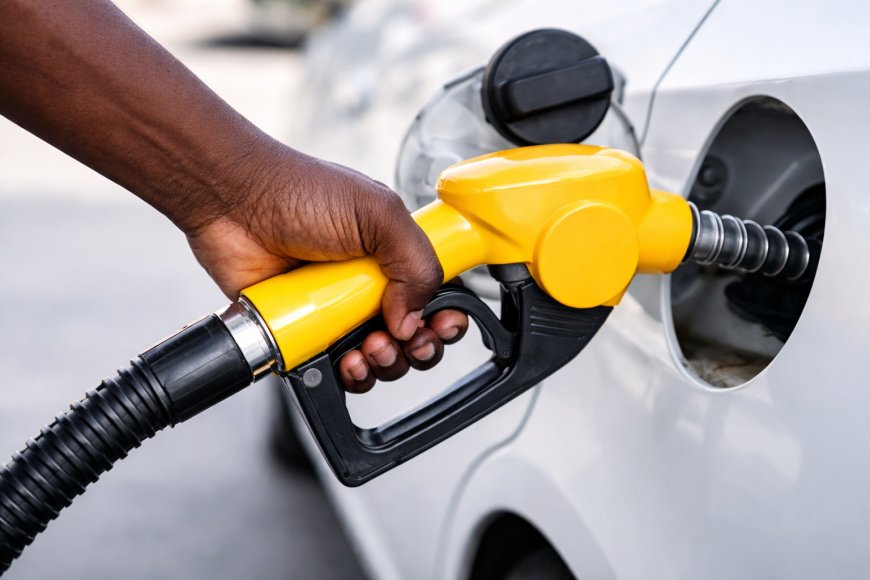
Harare - Zimbabwe has entered uncharted economic territory as the retail price of fuel officially breached the psychological and historic threshold of US$2.00 per litre.
In a directive issued by the Zimbabwe Energy Regulatory Authority (ZERA) for March 2026, the cost of Blend E5 petrol was set at a record US$2.17 per litre, up from US$1.71 per litre.
Diesel 50 has risen to US$2.05 per litre from US$1.77 previousl.
The breach of the $2.00 mark represents a watershed moment for the Zimbabwean economy, which has long struggled with high energy costs compared to its regional peers.
While the government has historically attempted to manage pump prices through tax adjustments and blending mandates, the current volatility in the Middle East has created piling up cost pressures that the regulator admitted can no longer be fully absorbed.
In an extraordinary admission of the severity of the crisis, ZERA revealed that the price of diesel would have surged even higher to US$2.20 per litre had the government not intervened to keep the price of diesel lower than what it ought to be.
The state intervention, announced again in the last ZERA price caps, is aimed at mitigating a total inflationary collapse in the mining, agriculture and haulage sectors, which are the primary consumers of diesel.
"Without Government intervention, the price of diesel would have been US$2.20 per litre," the regulator stated, highlighting the thin margins currently keeping the logistics sector afloat.
The historic high has prompted the government to take deliberate actions to ensure that the limited supply is not restricted to urban centers.
To maintain national security of supply, authorities have authorized the importation of diesel by road in addition to the traditional pipeline and rail routes.
This diversification of supply routes is intended to bypass bottlenecks caused by the current conflict in the Middle East and ensure that fuel stations in far-flung areas remain stocked, ZERA said.
Despite the record-breaking prices, ZERA sought to reassure the public that physical scarcity is not an immediate threat, claiming there is currently more than three months’ supply cover, in the supply chain between the port of Beira and inland storage.
The reality of US$2.00+ fuel is however expected to exert immediate upward pressure on public transport fares and the cost of basic commodities, testing the resilience of a population already dealing with significant cost-of-living challenges.
"ZERA notices that the cost pressures are piling up and these require that prices be reviewed for two weeks to avoid fuel shortages and arbitrage," the authority noted.