
Australian NGOs Accuse Albanese Government of Failing to Deliver Climate Finance at COP31
By Harry Taruva — Australian aid and climate organisations have criticised the Albanese government for failing to announce new climate finance commitments for vulnerable countries at COP31, calling for increased funding and an end to fossil fuel subsidies.
 Harry Taruva
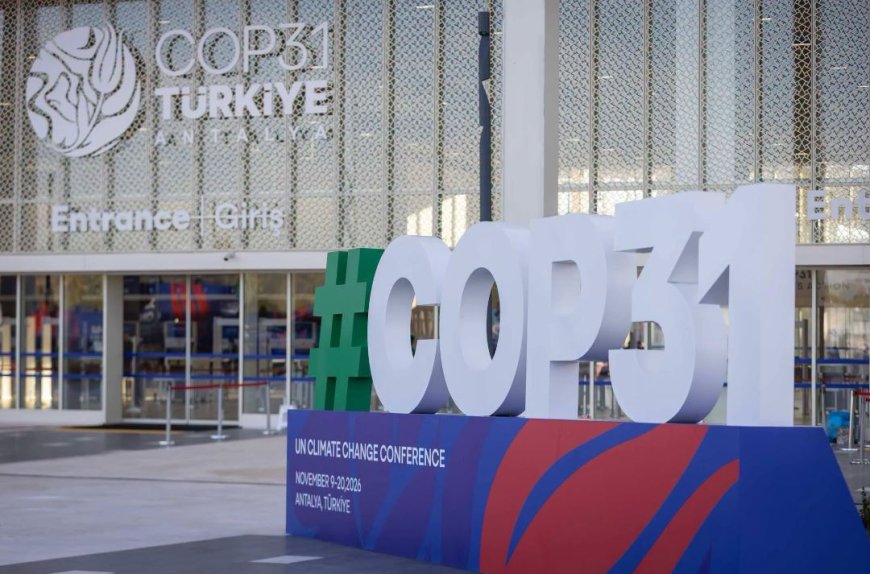
Antalya, Türkiye – Australian civil society organisations have criticised the Albanese government for failing to announce new climate finance commitments for vulnerable developing countries at COP31, accusing it of falling short of the leadership expected of a country presiding over international climate negotiations.
The organisations said Australia had promised to improve access to climate funding for Pacific Island nations but had yet to announce a new multi-year financial commitment to help communities respond to climate disasters.
NRepresentatives from ActionAid Australia, Plan International Australia, Oxfam Australia, the Make Big Polluters Pay Alliance and Climate Action Network Australia said the funding shortfall was undermining efforts to protect communities facing worsening climate impacts.
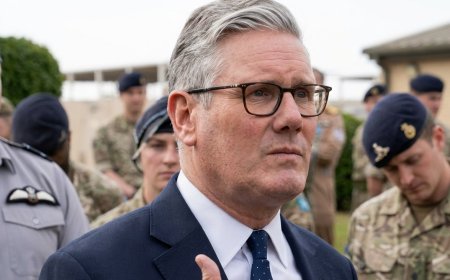
Their criticism followed Prime Minister Anthony Albanese's address to the COP31 Leaders' Summit in Antalya, where climate finance and support for vulnerable countries remain central issues in international negotiations.
Sophie Hardefeldt, Deputy Head of Policy and Campaigns at ActionAid Australia, said the government had failed to match its promises with funding for communities already experiencing the effects of climate change.
"Australia said it would use its Presidency role to improve access to finance for Pacific Island States, but you cannot access what doesn’t exist," Hardefeldt said.
She argued that Australia needed to end subsidies for fossil fuel industries and direct funding towards women and communities that contributed least to the climate crisis but faced some of its worst consequences.
Hardefeldt warned that inadequate climate finance was leaving vulnerable countries without sufficient early warning systems and resources to adapt to climate impacts, while forcing some to borrow billions of dollars to rebuild after disasters.
She also linked debt repayments to the loss of public services, saying cuts to healthcare and other services were contributing to higher maternal mortality and the loss of 55 million women's jobs globally.
Plan International Australia's Senior Adviser for Policy and Advocacy, Si Qi Wen, said girls were increasingly bearing the consequences of climate inaction through disruptions to their education, health and future opportunities.
"Climate finance isn't charity. It's a lifeline, and a responsibility wealthy countries have already agreed to uphold," Wen said.
She cited Nepal and Pacific Island countries among communities facing growing climate risks, and said Australia's role in the negotiations offered an opportunity to turn international commitments into practical support.
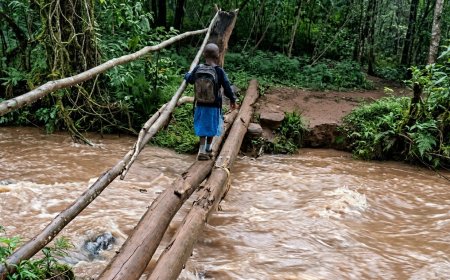
Oxfam Australia's Policy and Advocacy Lead, Josie Lee, pointed to the flash floods in Nepal in August as an example of the growing humanitarian consequences of climate disasters.
She said the absence of new Australian funding risked leaving affected communities exposed to hunger, homelessness and poverty.
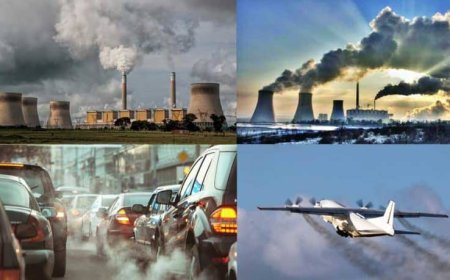
Oxfam argued that Australia spent more than 10 times as much on fossil fuel subsidies as it provided in climate finance to the region.
Lee called for the government to redirect its reported AU$16 billion in annual fossil fuel subsidies towards renewable energy, disaster prevention and recovery programmes.
She also cited Oxfam research estimating that climate disasters cost small island and least developed countries US$16 billion in 2025, while an average of 41 million people were affected annually.
"With such rising impacts, Australia and other wealthy countries who have benefited from creating the climate change problem must contribute our fair share to addressing it and we can fund it by making big polluting corporations pay," Lee said.
Julie-Anne Richards, Campaign Strategic Lead at the Make Big Polluters Pay Alliance, said Australia's failure to announce significant new climate finance commitments was inadequate for a country expected to lead international negotiations.
She said the shortage of funding remained a major obstacle to stronger climate commitments by low-income countries, particularly as fires, floods and heatwaves intensified.
Richards urged Climate Change and Energy Minister Chris Bowen to work with other countries on measures requiring coal, oil and gas corporations to contribute towards the costs of climate damage.
"It’s not clear why the Australian Government sought to host COP31 if it wasn’t willing to show leadership on this crucial issue," she said.
Climate Action Network Australia's Chief Executive Officer, Denise Cauchi, said Australia's negotiating presidency carried a responsibility to help break the deadlock over international climate finance.
She accused the government of failing to demonstrate meaningful leadership at the Leaders' Summit and leaving the communities most affected by climate change to shoulder the financial burden.
The dispute centres on the new collective quantified goal on climate finance agreed by governments in 2024, which seeks to mobilise US$300 billion annually for developing countries by 2035.
The Australian organisations say Australia's previous climate finance commitment expired in 2025 and that the government has not announced a replacement multi-year pledge.
They estimate Australia's fair contribution towards the new global target at AU$14 billion annually by 2035 and are calling for AU$11 billion over the next five years.
Their concerns come amid a wider decline in new climate finance pledges by developed countries.
A Carbon Brief analysis published on 11 November estimated that annualised public climate finance commitments had fallen by about 70% in 2026 compared with previous pledged levels.
The organisations also cited estimates of a 23% decline in global overseas aid in 2025.
According to research by the Australia Institute, Australian federal and state governments provided AU$16.3 billion in fossil fuel subsidies during the 2025-26 financial year, an increase of 9.4% from the previous year.
The campaign groups argue that a levy on coal, oil and gas corporations could raise at least AU$22 billion annually to finance climate action and support affected communities.
However, the Australian government says it delivered AU$3.9 billion in climate finance between 2020 and 2025, including AU$1.3 billion for the Pacific.
The organisations are urging Australia to announce a new funding commitment during COP31 which ends on the 20th of November, and push for greater contributions from other wealthy countries.