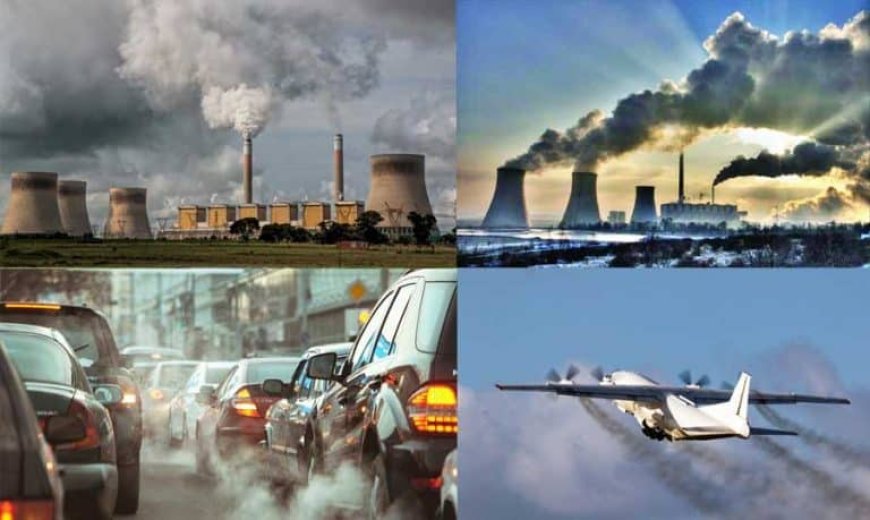
Australia’s Richest 0.1% Emit 31 Times More Carbon Than Poorest Half, Oxfam Says
By Harry Taruva — Oxfam says Australia’s richest 0.1% produce 31 times more carbon pollution than the poorest half, urging higher polluter taxes and greater climate funding ahead of COP31.
 Harry Taruva
Canberra — Australia’s wealthiest 0.1% generate 31 times more carbon pollution than the country’s poorest half, according to a new Oxfam analysis calling for higher contributions from major polluters and increased climate funding for vulnerable countries.
The report, The Disaster Divide, estimates that the 26,000 Australians in the wealthiest 0.1% produce more carbon emissions than the 13 million people in the lowest-income half of the population combined.
Oxfam said an individual in this wealthiest group emits more carbon dioxide in just over 428 days than someone in the poorest half emits over 30 years.
Its analysis also found that emissions from Australian private jets over 74.1 minutes equalled the average annual emissions of one Australian.
The findings were released ahead of the United Nations climate summit, COP31, scheduled for Türkiye in November.
The report argues that the people and businesses contributing most to climate pollution are not bearing a proportionate share of its consequences, particularly as poorer communities face the effects of extreme heat, floods, fires and other climate-related disasters.
Oxfam Australia Chief Executive, Jennifer Tierney, criticised the disparity between the tax paid by fossil fuel companies and the burden on ordinary workers.
“How is it fair that Australian fossil fuel companies pay just 3% of their revenue in income tax, while your average Australian pays 8 times that, and communities that did little to cause the climate crisis pay with their homes, harvests and lives when floods, fires and famine hit?” Tierney said.
According to figures cited by Oxfam from the Australian Taxation Office’s 2024–25 corporate tax transparency report, Australian fossil fuel companies recorded AU$467 billion in revenue during the financial year, paying an average of three cents in corporate income tax for every dollar of revenue.
Oxfam compared this with a registered nurse paying 24 cents in tax for every dollar earned.
The report also identifies BHP Group, Santos, Whitehaven Coal and Woodside Energy among 217 global corporations in Oxfam’s Destroy & Rebuild Index.
The index highlights companies it says profit from activities contributing to climate breakdown while also benefiting from disaster preparedness, recovery and reconstruction.
Oxfam’s analysis estimates that emissions from the world’s richest 1% will cause 1.9 million additional heat-related deaths over a year, with 78% occurring in low- and lower-middle-income countries.
The countries account for just 8% of global emissions, according to the report.
The organisation also cites estimates that as many as one billion people could be displaced by the climate crisis by 2050, with low-income countries expected to bear much of the burden.
It estimates that emissions from the richest 1% since 1990 have already reduced global economic output by US$2.9 trillion, with the losses projected to rise substantially by mid-century.
“The ultra-rich are setting the planet on fire and then charging the rest of us for the extinguishers. They profit from pollution. They profit from the disaster. And they profit again from the clean-up,” Tierney said.
Oxfam is urging governments attending COP31 to introduce measures targeting major polluters, including a levy on coal, oil and gas corporations, a tax on gas exports, an extreme-wealth tax, an end to fossil fuel subsidies for large corporations and a halt to approvals for new fossil fuel projects.
It also supports a stronger international agreement on climate accountability.
The organisation is calling on Australia to commit at least AU$11 billion in public, grant-based international climate finance between 2026 and 2030, triple funding for climate adaptation by 2035 and cut national pollution by at least 75% by 2035.
Oxfam also wants civil society groups, local communities and Indigenous peoples to have a stronger voice in international climate negotiations.
Tierney said Australia should use its role in the COP31 talks to push for major polluters to pay for the damage associated with their emissions.