Australia Emergency Leaders Urge Advanced Disaster Preparation Ahead of AusAlert Launch
Former emergency chiefs stress the need for broader climate resilience strategies as the Federal Government prepares to test the new national AusAlert warning system.
 Harry Taruva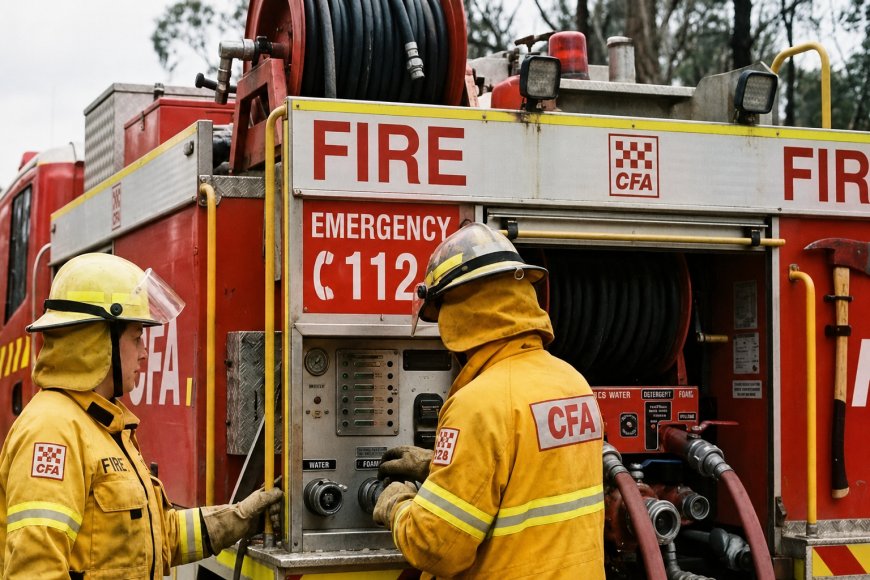
Canberra — Former emergency service commissioners and climate scientists are issuing urgent calls for comprehensive disaster preparation as the Federal Government prepares to initiate nationwide testing of its new "AusAlert" emergency broadcasting platform.
Scheduled for initial national roll-out on Monday, 27 July 2026, the AusAlert architecture is designed to transmit targeted safety signals directly from cell towers to mobile devices within designated hazard zones during extreme weather events.
Emergency experts however warn that broadcast systems must be backed by robust local community planning and aggressive emissions reductions.
Founder of Emergency Leaders for Climate Action and former Commissioner of Fire and Rescue New South Wales, Greg Mullins, noted that while the AusAlert system represents a step forward in national warning infrastructure, physical network vulnerabilities remain a critical factor during major disasters.
“It’s good to see disaster planning being taken seriously as we enter an El Niño event, with the risk of dangerous bushfires also being supercharged by climate pollution from burning coal, oil and gas,” Mullins stated.
“We can’t rely on emergency alerts alone; we need to keep preparing our communities for worsening disasters well ahead of time and we need to stop the burning of coal, oil and gas that’s driving these worsening events," he said.
The warning comes as climate data confirms unseasonably high winter temperatures across eastern Australia throughout July, creating elevated bushfire and drought risks ahead of the upcoming spring and summer seasons.
Climate Councillor, Adjunct Professor Andrew Watkins, stressed that climate-driven disasters are placing unprecedented stress on Australian infrastructure and property insurance markets, projecting that up to 1.5 million citizens could face direct coastal flooding hazards over the next 25 years without accelerated mitigation policies.