
Zimbabwe Gazettes Invictus Energy's Oil and Gas Sharing Agreement
By Delicious Mathuthu — Zimbabwe has gazetted Invictus Energy's Petroleum Production Sharing Agreement, establishing the long-term framework for developing the Cabora Bassa project and advancing the Mukuyu gas discovery.
 Delicious Mathuthu
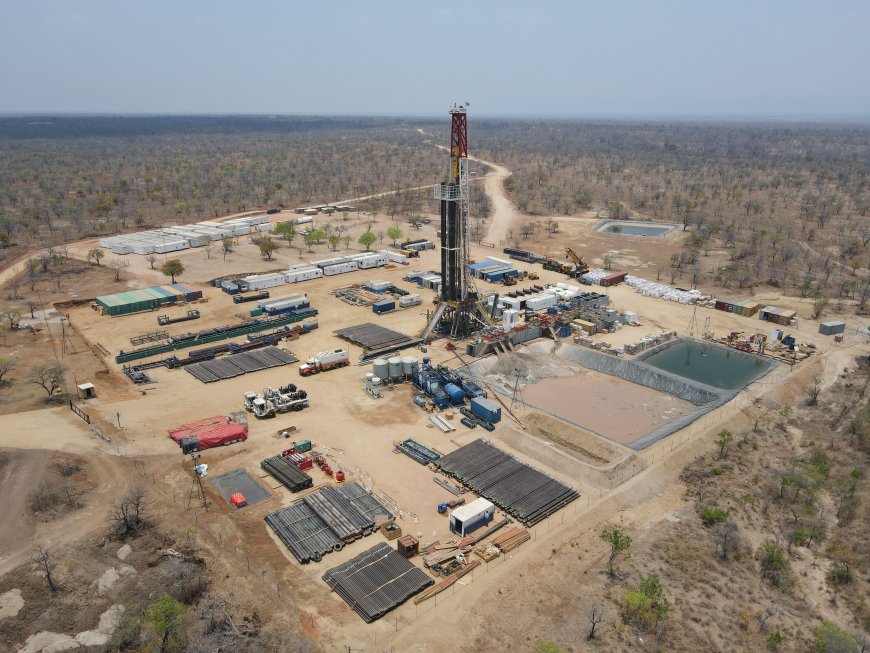
Harare – Australian company Invictus Energy has secured a key regulatory and commercial milestone for its Cabora Bassa oil and gas project after Zimbabwe formally gazetted a Petroleum Production Sharing Agreement (PPSA), establishing the framework for developing the country's emerging petroleum industry.
The company announced on Monday, November 2, that the agreement was published in the Government Gazette on October 30, 2026, under General Notice 2101 of 2026, completing the formal execution requirements following its signing by the Government, Invictus Energy and its 80% owned subsidiary, Geo Associates (Private) Limited, in Harare in May.
The PPSA establishes the fiscal, legal and commercial arrangements governing petroleum exploration, appraisal, development and production within the Cabora Bassa project area in northern Zimbabwe.
The agreement provides a defined framework for attracting strategic partners and financiers to advance the Mukuyu gas-condensate discovery towards appraisal and potential commercial production.
Invictus Managing Director, Scott Macmillan, says the gazettal completed the final formal step in securing the agreement and provided greater certainty for the investment required to advance the project.
“The formal gazettal of the Petroleum Production Sharing Agreement is a landmark milestone for Invictus and the Cabora Bassa Project, completing the final formal step following the landmark signing of the agreement earlier this year,” Macmillan says.
“Importantly, it establishes the long-term fiscal, legal and commercial certainty required to underpin the substantial investment needed to advance the Mukuyu discovery through appraisal and towards development and commercial production," he says.
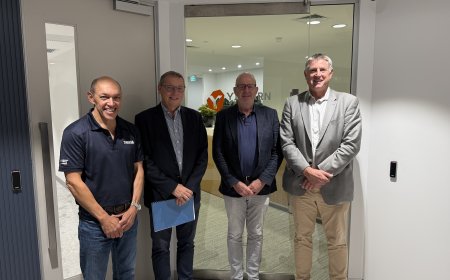
 Invictus Energy Managing Director, Scott Macmillan.
The agreement also sets out how the Government will benefit if petroleum production becomes commercially viable, through agreed production and profit-sharing arrangements, royalties and corporate taxes.
It covers environmental management, decommissioning and site restoration, as well as operational, fiscal and regulatory compliance obligations under Zimbabwean law.
The company says the framework is intended to give prospective investors and development partners greater certainty about the financial and legal arrangements governing the project, although gazettal does not itself guarantee financing, commercial production or the viability of the discoveries.
The Cabora Bassa project covers approximately 360,000 hectares in northern Zimbabwe, with Invictus holding an 80% interest through Geo Associates, the licence holder.
The company's exploration campaign dates back to 2018, when it acquired an interest in the basin following earlier exploration by Mobil Oil Corporation in the 1990s.
Mobil identified natural gas potential but relinquished the acreage in 1994, citing limited opportunities to commercialise the resource.
Invictus subsequently acquired and interpreted seismic data before drilling Mukuyu-1 in 2022, which confirmed a working petroleum system in the basin.
Its follow-up Mukuyu-2 campaign in 2023 encountered gas-bearing reservoirs in the Upper and Lower Angwa formations, resulting in the declaration of multiple gas-condensate discoveries.
The company reports a combined net hydrocarbon pay of 35 metres from the Mukuyu-2 discovery.
Its resource estimates for the wider Mukuyu structure were approximately 1.3 trillion cubic feet of gas, equivalent to about 230 million barrels of oil equivalent.
The company says the next major test is the Musuma-1 exploration well, which will investigate a separate geological target along the eastern margin of the Cabora Bassa Basin, outside the Mukuyu discovery area.
Invictus contracted Poland-based drilling company Exalo Drilling S.A. to provide Rig 202 for the operation, while international oilfield services company SLB has been engaged to supply specialist drilling and well services.
The company confirmed in its September quarter operational report, released on October 30, that construction of the Musuma-1 wellpad and supporting access infrastructure has been completed and that Rig 202 had been relocated from the Mukuyu-2 site.
Drilling is targeted for later this month, November 2026, subject to final rig-up, equipment mobilisation and operational acceptance, the company says.
Musuma-1 is targeting an estimated 1.2 trillion cubic feet of gas and 73 million barrels of condensate, according to the company's project prospect estimates.
These are however prospective, unrisked estimates prepared in September 2024.
They have not been adjusted for the probability of discovery or successful development and should not be interpreted as confirmed reserves or commercially recoverable resources.
Macmillan says the company's immediate priority is to progress the new exploration well while advancing plans to establish the commercial potential of the existing Mukuyu discovery.
“Our immediate focus remains on the upcoming Musuma-1 exploration well, alongside advancing the appraisal and commercialisation pathway for the Mukuyu gas-condensate discovery,” he says.
The company said the gazettal, together with the National Project Status previously granted to Cabora Bassa, provides an important foundation for attracting investment and developing Zimbabwe's petroleum sector.