US, Saudi Airstrikes Kill 20 Iran-Backed Fighters in Iraq as Middle East Tensions Escalate
The United States and Saudi Arabia carried out coordinated airstrikes against Iran-backed militia targets in eastern Iraq after Iran launched missiles at American forces. At least 20 militia fighters and six Iranian advisers were killed, while Brent crude prices surged 7.3% as fears grew over regional instability and potential disruptions to global energy supplies.
 Harry
Harry
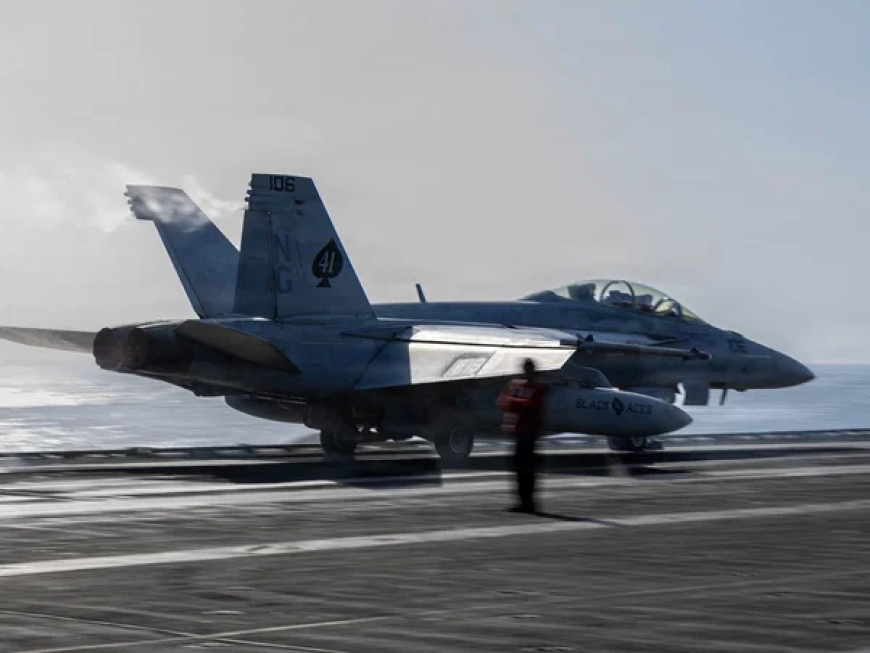
Baghdad – American and Saudi fighter aircraft launched coordinated airstrikes on logistics and weapons facilities in eastern Iraq starting Wednesday, targeting Iran-backed militias in retaliation for an earlier Iranian missile barrage against United States forces in the Middle East.
The strikes mark an escalation in regional tensions after Iran fired missiles at American positions, prompting what the U.S. Central Command described as a "powerful response" to the attempted attack.
According to the Popular Mobilisation Forces (PMF), at least 20 of its fighters were killed and 32 others wounded during the overnight bombardment on Wednesday.
Reports also indicated that six Iranian military advisers were killed in the strikes.
The latest exchange of attacks has heightened fears of a broader regional conflict involving Iran, the United States and their allies.
Jordan said it intercepted five Iranian missiles that crossed its airspace, underlining the growing risk that neighbouring countries could be drawn into the confrontation.
The escalating security situation has already begun to affect regional diplomacy. Iraqi Prime Minister Ali al-Zaidi indefinitely postponed a planned visit to Saudi Arabia on Thursday as the crisis unfolded.
Global financial markets also reacted sharply to the developments, with Brent crude oil prices rising 7.3% amid growing concerns that further hostilities could disrupt energy supplies from the Middle East.
Despite participating in the retaliatory operation, Saudi officials said they were not seeking a wider conflict and urged restraint to prevent further escalation.
Investors and governments are closely monitoring the situation, fearing that continued military exchanges could threaten key oil production and shipping routes, with potentially far-reaching consequences for the global economy.