Nkomo Statue Removed After Uproar, Chin’ono Slams “Collapse of Standards”
A statue of liberation hero Joshua Mqabuko Nkomo, erected in Maphisa ahead of Zimbabwe’s 46th Independence Day, was swiftly removed after fierce public backlash. Critics, led by journalist Hopewell Chin’ono, condemned the monument’s poor craftsmanship as disrespectful and emblematic of deeper governance failures. The controversy sparked national debate over accountability, procurement practices, and the dignity owed to commemorating liberation icons, turning the statue saga into a symbol of public frustration and calls for reform.
 Dumisani Ndlovu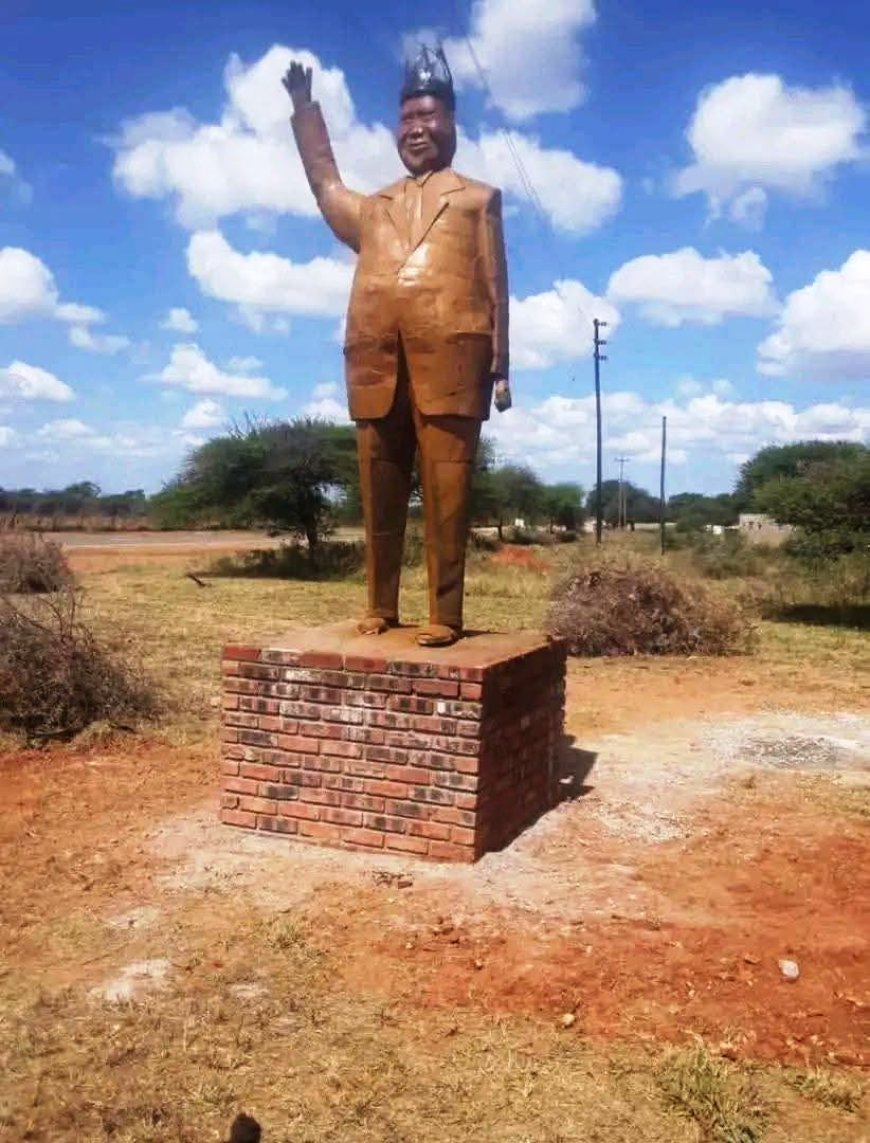
Maphisa - A controversial statue of Joshua Mqabuko Nkomo erected ahead of Zimbabwe’s 46th Independence Day celebrations has been removed following a storm of public criticism, with journalist Hopewell Chin'ono leading sharp condemnation of the monument as “an insult” to the late liberation icon.
The statue, intended to honour Nkomo, affectionately known as “Father Zimbabwe”, drew immediate backlash after images circulated online, triggering widespread ridicule over its poor craftsmanship and failure to accurately capture his likeness.
Taking to social media, Chin’ono delivered a scathing critique, arguing that the issue went far beyond artistic shortcomings.
“This is not just about a statue,” he said. “It is about respect, history and national dignity. You do not honour a giant of the liberation struggle with something that looks careless, rushed and devoid of pride.”
He further described the monument as evidence of a deeper governance problem.
“What this shows is a deeper crisis, a collapse of standards, a culture where anything passes, where accountability is nonexistent and where those entrusted with preserving our national heritage have no sense of responsibility,” Chin’ono said.
Across platforms such as X and Facebook, members of the public echoed similar sentiments, with many expressing anger and disbelief.
Some users described the statue as “an embarrassment,” while others turned to satire, producing memes and commentary mocking what they saw as a glaring failure by authorities to properly honour one of Zimbabwe’s founding figures.
Critics argued that the statue fell far short of the dignity expected for a leader of Nkomo’s stature, with some questioning how it passed approval processes.
The swift removal of the monument has been widely interpreted as a response to mounting public pressure, though authorities have yet to provide a detailed explanation regarding its commissioning or the decision to take it down.
The controversy has also reignited longstanding concerns over procurement practices in public projects. Analysts say the incident reflects systemic weaknesses, including limited transparency in contract awards, weak oversight and inadequate enforcement of professional standards.
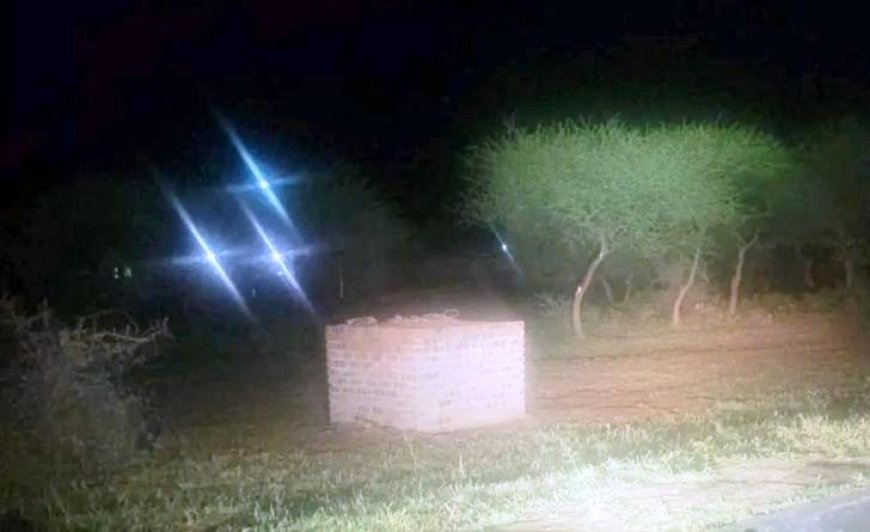 The site in Maphisa after the removal of the controversial Joshua Mqabuko Nkomo statue, as authorities reportedly succumbed to mounting public pressure and criticism over its substandard quality.
Beyond the immediate backlash, the debate has expanded into a broader national conversation about how Zimbabwe commemorates its liberation heroes.
“There are serious questions about how such a project was approved in the first place,” a governance analyst noted. “From commissioning to completion, there appears to have been a breakdown in accountability,” he said.