Investor Confidence Grows as SAEIS 2026 Turns Sustainable Infrastructure Ideas into Bankable Projects
SAEIS 2026 concluded in Victoria Falls with all three Investment Arena Challenge finalists attracting investor interest, highlighting Southern Africa's growing commitment to sustainable infrastructure, renewable energy, climate finance and inclusive economic development.
 Dumisani Ndlovu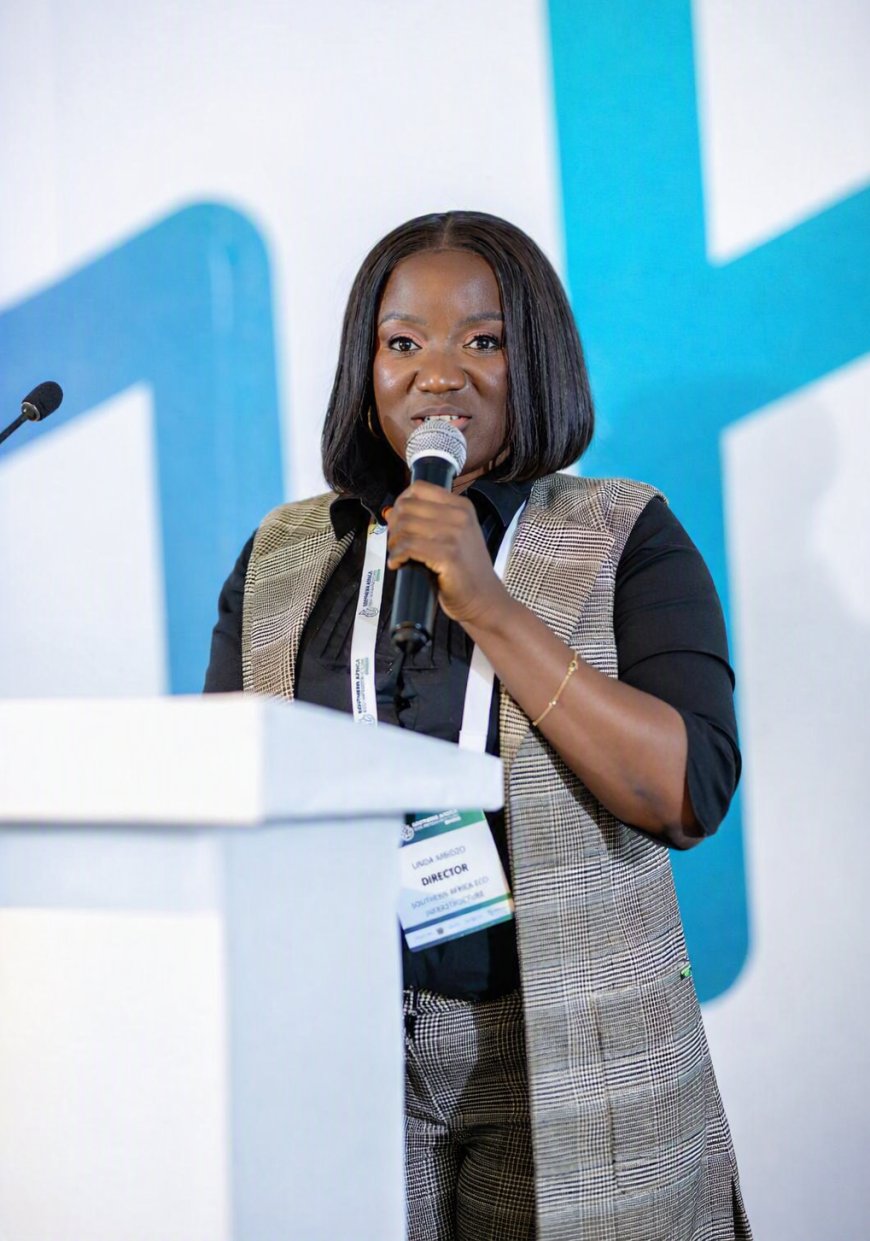
Victoria Falls — One of the strongest messages to emerge from the Southern Africa Energy and Infrastructure Summit (SAEIS) 2026 was that sustainable infrastructure is no longer merely a policy aspiration—it is increasingly becoming an investment opportunity capable of attracting private capital and driving inclusive economic growth across the region.
The summit's flagship Investment Arena Challenge demonstrated this shift by connecting project developers with investors and development finance institutions, creating a platform where innovative ideas could compete for investment rather than simply recognition.
Following a rigorous selection process, six infrastructure projects were shortlisted from a wider pool of entries. The finalists underwent detailed assessment before the top three earned the opportunity to present live investment pitches before an expert multidisciplinary panel comprising representatives from private investment firms, development finance institutions and international sustainability organisations.
The outcome reflected growing investor confidence in Southern Africa's green economy. All three finalist projects attracted investor interest and advanced to the next stage of engagement, signalling increasing demand for well-structured, bankable infrastructure projects capable of delivering measurable social, economic and environmental benefits.
The overall winning project, the E.Y.E Solar-Powered School Computer Labs Programme (EYE-DEIF), presented by Jiten Shah on behalf of the E.Y.E Foundation Africa, stood out for combining renewable energy with digital inclusion. The initiative seeks to establish solar-powered computer laboratories in schools, enabling learners—particularly those in underserved communities—to access digital education regardless of unreliable electricity supplies.
Judges recognised the project for addressing two of Southern Africa's pressing development challenges simultaneously: expanding access to modern technology while increasing the use of clean, renewable energy in education.
Another project that attracted significant attention was HiveFund Health-Fintech Infrastructure, presented by Takudzwanashe Mahachi, which won the Future Leaders Programme award.
The initiative introduces an innovative healthcare financing model that uses mobile payment technology to improve access to emergency medical care, demonstrating how digital financial solutions can strengthen healthcare systems while reducing barriers faced by vulnerable communities.
Completing the finalists was Camel Energy's CamelZone 50MW Solar PV Project, presented by Adwell Rukanda.
The proposed utility-scale solar power station aims to expand Zimbabwe's renewable energy generation capacity, reduce dependence on conventional energy sources and contribute to national energy security while supporting climate resilience and sustainable economic development.
Beyond recognising outstanding projects, the Investment Arena Challenge reinforced SAEIS's broader objective of transforming promising ideas into investable ventures by creating direct engagement between innovators, financiers and development partners.
Organisers said the initiative reflects a growing regional emphasis on practical implementation, ensuring that discussions on sustainable development are accompanied by financing mechanisms capable of delivering tangible infrastructure projects.
The summit concluded with an Awards Gala Dinner celebrating innovation and excellence in sustainable infrastructure while honouring projects with the potential to transform communities through climate-smart development.
Delegates also participated in eco-infrastructure site visits and technical knowledge-sharing sessions focusing on biodiversity conservation, sustainable development and expanding opportunities for young people and women within the green economy.
These engagements highlighted the importance of ensuring that infrastructure development not only strengthens economies but also promotes environmental protection and social inclusion.
Speaking at the close of the summit, SAEIS Director Lindah Mbidzo said the gathering had established a strong platform for long-term regional cooperation.
"SAEIS 2026 demonstrated that Southern Africa possesses the leadership, innovation and investment appetite needed to build smarter, greener and more resilient communities. By bringing together government, municipalities, investors, development partners and the private sector, we have strengthened the partnerships needed to transform sustainable infrastructure ambitions into bankable projects and long-term economic opportunities across the region."
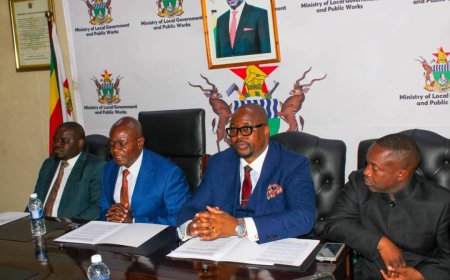
Over the three-day summit, government officials, municipal leaders, investors, financial institutions, international organisations, development partners and private sector representatives explored practical solutions to the region's infrastructure challenges.
Discussions focused on artificial intelligence-enabled infrastructure planning, climate finance, smart cities, renewable energy, resilient transport systems and public-private partnerships as Southern African countries pursue economic transformation while responding to climate change and growing urbanisation.
The conversations reflected a shared recognition that infrastructure investment must increasingly balance economic growth with environmental sustainability, technological innovation and social inclusion.
As delegates departed Victoria Falls, the summit had achieved more than facilitating dialogue. By securing investor interest for all three finalist projects and strengthening partnerships among governments, financiers and industry, SAEIS 2026 reinforced its role as a catalyst for sustainable infrastructure investment in Southern Africa.
Building on the momentum generated during the summit, organisers say they will continue working with governments, investors, development finance institutions and industry stakeholders to mobilise capital, accelerate project implementation and support infrastructure development that delivers inclusive and sustainable economic growth across the region.