Hericom Media Director Urges Local News to Embrace Community Heritage at 2026 LINA Summit
At the 2026 LINA Summit in Murray Bridge, South Australia, Hericom Media Director Harry Taruva highlighted how focusing on "Kwedu Classics", celebrating local stories and undocumented history, has built deeper audience trust and offered a sustainable model for independent media beyond crisis-driven reporting.
 Kawide Nakasamu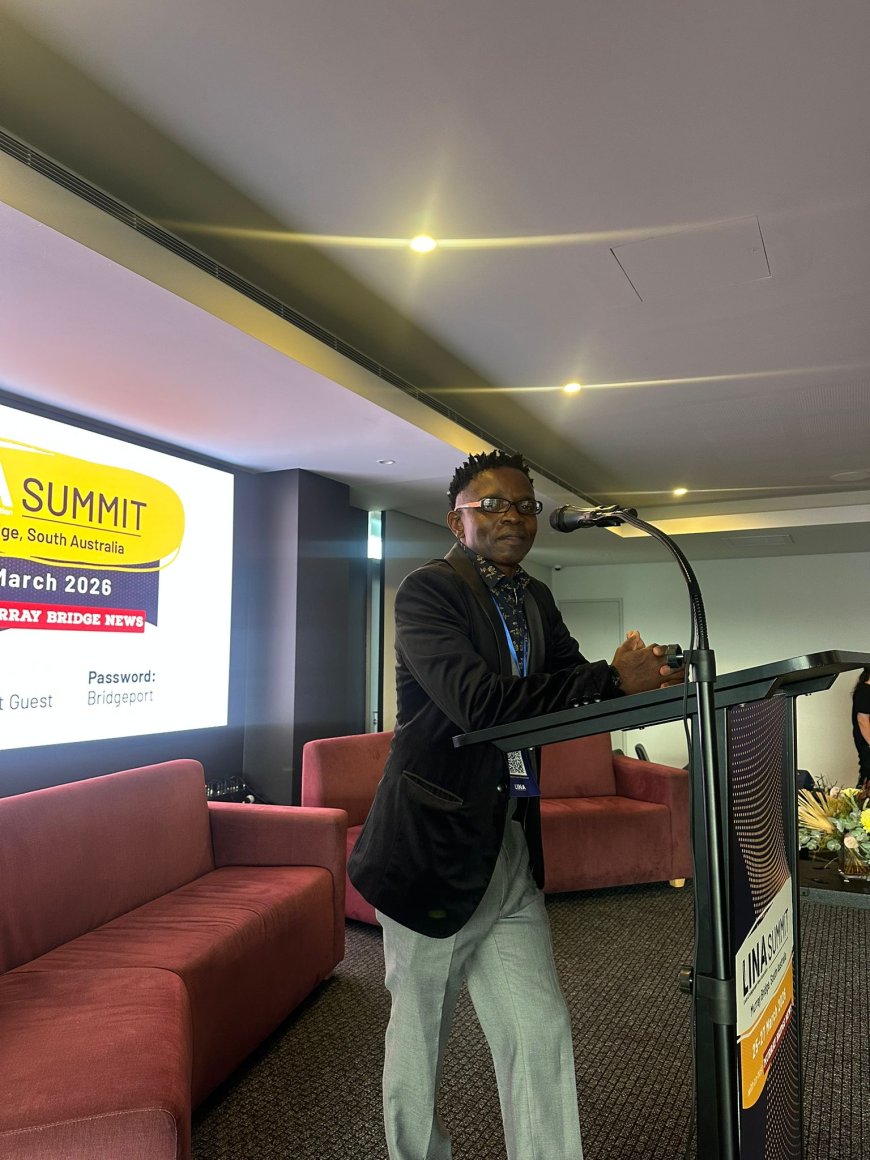
Murray Bridge - Local independent media can thrive by looking to the past rather than chasing the relentless global news cycle, Hericom Media Director Harry Taruva told delegates at the 2026 Local and Independent News Association (LINA) Summit over the weekend.
In his address of the summit, that blended personal reflection with practical insight, Taruva urged fellow publishers and journalists to transform journalism into a community archive that celebrates belonging and resilience.
"When was the last time a news story made you smile? Not just 'informed' you, but actually made you feel like you belonged somewhere?" Taruva asked the audience gathered in Murray Bridge, South Australia.
Hericom Media, a privately owned independent media house founded by Taruva in 2022 and based in South Western Sydney, specialises in content that reflects the lived experiences of its community, particularly within diaspora and local networks.
Its flagship "Kwedu Classics" initiative digitises untold stories from elders, youth, forgotten landmarks and defining community moments through KC TV and related platforms.
The Shona language-derived word "Kwedu" from Zimbabwe, Taruva's country of origin, translates roughly as "ours" or "home," reflecting the outlet's relational approach.
LINA, Australia's not-for-profit industry association for local and independent digital newsrooms, hosts its annual Summit to bring publishers and journalists together for networking, training and strategy sharing.
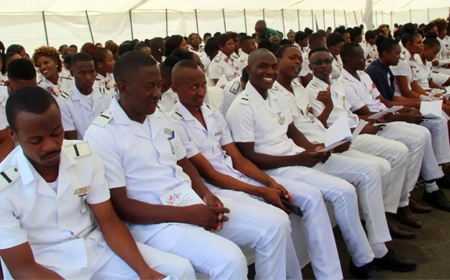
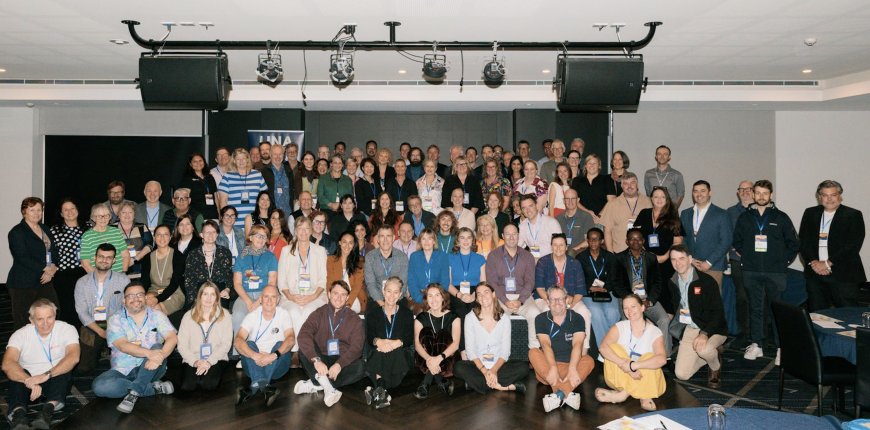 LINA 2026 Summit delegates
The 2026 event, held from March 25-27 on Ngarrindjeri land, focused on equipping newsrooms with tools for community building and sustainable operations amid industry challenges.
Taruva described how Hericom Media identified a gap several years ago between headline-driven coverage and the heart of its community.
"We realised that local news was becoming too much about 'the problems' and not enough about 'the people.'
"We saw a gap between the headlines and the heart of our community. So, we decided to do something a little different," he said.
"We call it Kwedu Classics, and it has completely changed how we relate to our audience," Taruva said.
The approach involves filming local legends and prominent individuals overlooked by national outlets, digitising community history and posting archival images that spark intergenerational conversations online.
"So, what is a 'Kwedu Classics'? In our language, Kwedu means 'Ours' or 'Home.' We realised that our community is sitting on a goldmine of undocumented history, untold stories from elders, youth, forgotten local landmarks, and the 'classic' moments that defined our community," Taruva explained.
He contrasted transactional news models with Hericom's relational one.
"Why is this working so well for Hericom? Because we’ve turned journalism into a community archive. Most news outlets are 'transactional', you give them a click, they give you a fact. We are 'relational.'
"By celebrating 'Your Story, Our Story,' we’ve built a level of trust that a standard newsroom can only dream of," he said, adding that "when we show up with a camera now, people don’t see 'the media', they see the keepers of their legacy. This has opened doors for us that were previously shut."
Taruva noted that a 1985 community photo could trigger family reunions in the comments section, with younger users tagging parents and elders adding names and dates.
"The 'special' thing about this isn't just the nostalgia, it’s the bridge it builds," he observed.
He argued that fun and meaningful content offers a more sustainable business model for independent media than outrage or crisis reporting.
"We aren’t just a media house; we’re a mirror. And when people look in that mirror, they like what they see. They see resilience, they see humor, and they see a community that matters.
"We’ve learned that if you want to survive as a local news organisation, you have to make the community the hero of the story, not the journalist."
He also delivered a message to the sector.
"Don’t be afraid to look backward to move forward. Your community's 'Classics' are waiting to be told. At Hericom Media, we’ve found that the most 'unique' thing you can do in 2026 is simply to remind people where they came from," Taruva said.