Zimbabwe Opposition UZA Opposes Constitutional Amendment Bill No. 3
The United Zimbabwe Alliance (UZA) warns against proposed changes to presidential term limits and direct elections, citing threats to democratic accountability.
 Delicious Mathuthu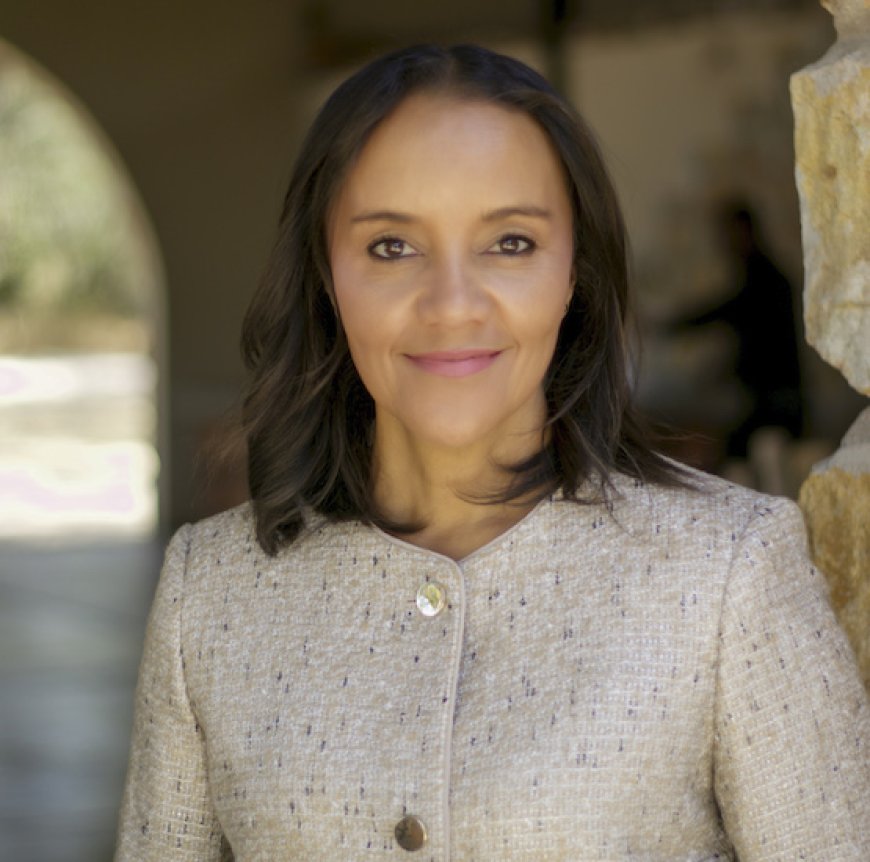
Harare - Zimbabwe’s opposition, United Zimbabwe Alliance (UZA), has voiced opposition to the proposed Constitutional Amendment Bill No. 3 to extend President Emmerson Mnangagwa's hold of office, warning that changes to presidential term limits and election methods could undermine the country’s democratic foundations.
In a statement, the party says the current 2013 Constitution was designed specifically to decentralize authority and prevent the excessive concentration of power that characterised previous decades of governance.
"The Constitution exists to protect citizens, limit the concentration of power, and preserve institutional balance," the party says.
The proposed amendments have provoked a heated debate in the country, particularly regarding sections that might alter how the president is elected or how long they may remain in office.
UZA leadership argues that any proposals altering term limits raise serious constitutional and democratic concerns.
The party further maintained that the right of citizens to vote directly for their leader is a cornerstone of the nation’s political integrity.
The direct election of the president is not a procedural detail, the party said, but rather a central expression of citizen duty and accountability within their constitutional framework.
The UZA’s critique comes at a time when Zimbabwe continues to grapple with significant inflation and infrastructure challenges, despite of late having dropped to single digitsl.
The opposition group suggested that the government’s legislative energy would be better spent addressing the bread-and-butter issues facing the population.
They argue that the priority of national leadership should remain focused on restoring economic stability, strengthening public services, and rebuilding trust in institutions.
"Constitutional reform should strengthen national confidence, not weaken it," the party stated, adding that any amendments must be approached with caution and full respect for both the letter and spirit of the law.
Legal experts have noted that the 2013 Constitution contains entrenched clauses specifically designed to make it difficult to extend term limits for an incumbent.
UZA reaffirms its commitment to these safeguards, stating there is no ambiguity in its position to protect the integrity of the document.
Amendments that affect presidential tenure or the method by which the President is elected must be approached with caution, broad consultation, and full respect for both the letter and spirit of the Constitution.
"UZA believes that sovereign authority ultimately rests with the people of Zimbabwe. The direct election of the President is not a procedural detail.
"It is a central expression of citizen mandate and accountability within our constitutional framework...The integrity of the Constitution must be preserved," the party said.
While the government has yet to provide a formal timeline for the bill's progression through parliament, UZA’s stance is but one of several citizen and opposition party sentiments driving debate into the public sphere.
The United Zimbabwe Alliance (UZA) was officially launched on March 16, 2022, in Harare, positioning itself as a "third way" alternative to the long-standing duopoly of ZANU-PF and the main opposition.
Founded by businesswoman and scientist Elisabeth Valerio, the party says it emerged from a series of citizen consultative meetings held in 2021 aimed at addressing the country’s prolonged economic stagnation and political polarization.
Valerio, based in Harare and with a strong background and connection to the town of Hwange, was the only woman who contested in the 2023 presidential election.
She campaigned on a platform of reclaiming Zimbabwe, focusing on economic restoration, sustainable development and transparency.
The 2023 general elections served as the party's first major national test. While UZA did not secure any parliamentary seats in a highly polarised environment, Valerio made history as the only female presidential candidate on the ballot.
Her participation followed a successful High Court challenge after her nomination was initially rejected, like several others, by the Zimbabwe Electoral Commission (ZEC).
Since the election, the party has transitioned into a vocal watchdog role, frequently issuing policy-driven critiques of legislative changes and government performance.