UN Resident Coordinator to Spotlight Solar Energy, Climate Resilience in Victoria Falls and Hwange
United Nations (UN) Resident Coordinator Dr. Rosemary Kalapurakal will, from Monday August 24, 2026, visit Victoria Falls and Hwange to showcase solar energy, climate resilience, renewable energy and UN-supported development projects.
 Delicious Mathuthu
Victoria Falls — United Nations (UN) Resident Coordinator Dr. Rosemary Kalapurakal is expected in Victoria Falls and Hwange this week for a field visit aimed at showcasing Zimbabwe’s efforts to strengthen climate resilience, expand renewable energy use and improve social service delivery.
Dr. Kalapurakal, from India and currently resident in Zimbabwe, will be in Victoria Falls and Hwange from Monday, August 24, to Friday, August 28, as part of a programme that combines visits to UN-supported development initiatives with participation in the 8th International Solar Alliance (ISA) Regional Africa Committee Meeting.
The visit will focus on projects aligned with Zimbabwe’s National Development Strategies and the UN Cooperation Framework, with particular attention to renewable energy, climate resilience, health, education, water and sanitation.
The programme is also expected to highlight interventions responding to climate shocks, including the effects of El Niño-induced drought, through solar-powered community gardens and other renewable-energy initiatives.
On Monday, Dr. Kalapurakal is scheduled to pay a courtesy call to Matabeleland North Minister of State for Provincial Affairs and Devolution, Richard Moyo, before visiting development and investment projects in Victoria Falls.
The programme includes visits to the Masuwe Special Economic Zone, Eagle Heights Mixed-Use Development, Mosi-oa-Tunya Industrial Park and the Mosi-oa-Tunya International Cricket Stadium.
She will later visit Victoria Falls District Hospital to assess a 40kWp solar system supported through UN-Development Programme (UNDP) and the Global Fund.
The solar installation forms part of efforts to demonstrate how renewable energy can strengthen the delivery of essential public services, particularly in critical facilities such as health institutions.
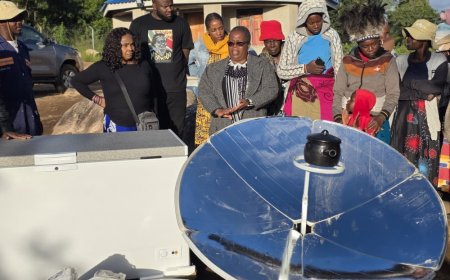
On Tuesday, Dr. Kalapurakal will travel towards Hwange to visit the Kubudilila Solar Powered Nutrition Garden, located about 130 kilometres from Victoria Falls.
The project is intended to showcase how solar energy can support food production and community resilience amid climate-related shocks.
The draft itinerary for the week also says the visit will provide an opportunity to examine interventions aimed at mitigating the impact of El Niño-induced drought.
From there, Dr. Kalapurakal will visit Hwange National Park to engage on preparations for drought conditions and efforts to manage human-wildlife conflict.
The UN has identified wildlife and national heritage management as important components of the field visit, with discussions expected to focus on community engagement, climate resilience and the protection of national heritage.
Dr. Kalapurakal will return to Victoria Falls on Wednesday to participate in the International Solar Alliance (ISA) programme at Elephant Hills Hotel.
She is scheduled to meet the Director-General of the International Solar Alliance and his team before touring the ISA exhibition, including the UN information stand.
She will later attend and deliver a keynote address at the ISA Ministerial Roundtable Meeting.
The high-level solar energy meeting is expected to provide a platform to highlight the importance of renewable energy in advancing sustainable development and strengthening Africa’s response to climate change.
On Thursday, the UN Resident Coordinator will visit projects supported through Devolution Funds under Zimbabwe's local government programmes, including water, sanitation and hygiene (WASH) initiatives and Mosi-oa-Tunya Hall High School.
The final day of the programme on Friday will focus on cooperation between United Nations International Children's Emergency Fund (UNICEF), now Nations Children's Fund, and Wild Horizons on WASH, green initiatives and solar installations in schools.
A press briefing is scheduled for Friday afternoon at Elephant Hills Hotel before the end of the official programme.
The visit comes as Zimbabwe continues to pursue greater investment in renewable energy and climate-resilient development, while seeking to strengthen access to essential services in communities affected by climate-related pressures.
The itinerary says the overall objective is to showcase how solar energy and other development interventions can contribute to sustainable development, improve social service delivery and strengthen communities' ability to withstand climate shocks.