Rtd General Chiwenga Delivers Scripture-Laced Message Amid Constitutional Debate
Vice President Constantino Chiwenga’s spiritual address in Murewa used scripture to caution against leaders clinging to power, echoing tensions over Zimbabwe’s proposed constitutional amendments that could reshape succession and extend presidential terms.
 Dumisani Ndlovu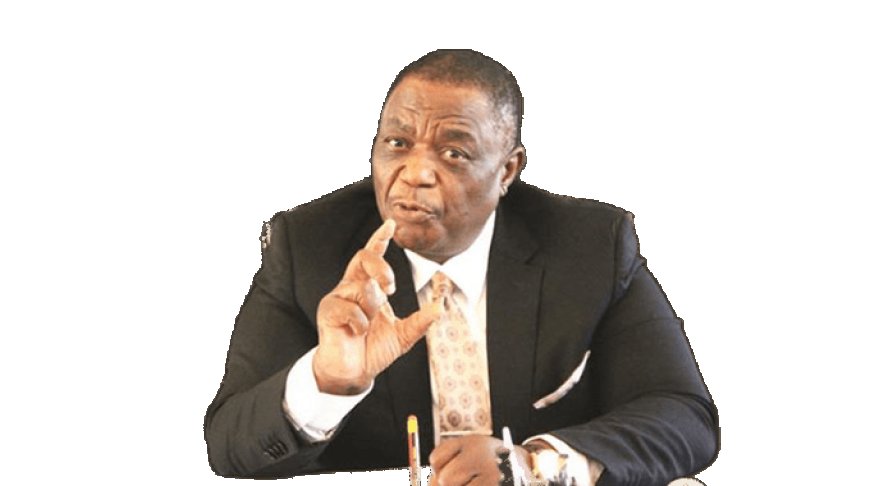
Vice President Constantino Chiwenga delivered what appeared to be a spiritual address at a Roman Catholic Church gathering in Murewa on Saturday, but his choice of scripture carried strong political undertones against the backdrop of Emmerson Mnangagwa’s push to amend Zimbabwe’s Constitution.
Drawing from the teachings of Saint Francis of Assisi, Chiwenga called on leaders to embrace humility, simplicity, peace-building, and compassion for the vulnerable, describing these values as essential to balanced leadership.
He then turned to the Book of Isaiah, recounting the story of King Hezekiah. Chiwenga said Hezekiah, after a long and successful reign, became unwilling to accept the natural end of his rule, believing himself indispensable.
According to Chiwenga, God sent the prophet Isaiah to warn the king to prepare for his death. However, Hezekiah resisted, questioning God and asserting his unmatched leadership.
God ultimately granted Hezekiah an additional 15 years of life, but the extension came at a cost. Chiwenga said the king’s judgment faltered, leading him to expose state secrets to envoys linked to Nebuchadnezzar, who later returned to conquer him.
“He never even fully enjoyed the extended time,” Chiwenga said, adding that the additional years were marked by downfall and suffering rather than continued glory.
The message comes as Zimbabwe’s Parliament considers the Constitution of Zimbabwe Amendment (No. 3) Bill, 2026, a sweeping proposal widely seen as reshaping the country’s political landscape in ways that could benefit Mnangagwa while weakening potential successors — including Chiwenga himself.
Among its most contentious provisions is the removal of direct presidential elections, replacing them with a parliamentary vote requiring a simple majority of legislators from both houses.
The bill also weakens provisions on automatic succession, effectively blocking the current vice presidents — Chiwenga and Kembo Mohadi — from seamlessly assuming office in the event of a vacancy.
Chiwenga, a former commander of the Zimbabwe Defence Forces and a key figure in the 2017 Zimbabwe coup d'état that ushered Mnangagwa into power, has long been viewed as a leading contender to succeed the president. However, analysts say the proposed amendments significantly diminish that path.
Further provisions in the bill include extending presidential and parliamentary terms from five to seven years — a move critics argue is unconstitutional without a referendum — and increasing Senate seats from 80 to 90, with the president granted powers to appoint an additional 10 members.
Government has defended the changes, arguing longer terms would reduce election-related tensions and allow more time for policy implementation. Mnangagwa, whose current term ends in 2028, is constitutionally barred from seeking another term, though his allies argue the proposed extensions do not violate term limits.
Members of Parliament are expected to vote on the bill in late May, after which it may be sent to the president for assent.