Zimbabwe Secures UN Security Council Seat with Overwhelming Support
Zimbabwe has secured a non-permanent seat on the United Nations Security Council for 2027-2028, winning 182 out of 190 votes in a strong endorsement of its re-engagement policy. The election marks the country's third term on the body and highlights its push to amplify Africa's voice on global peace and security.
 Harry
Harry
By Own Correspondent
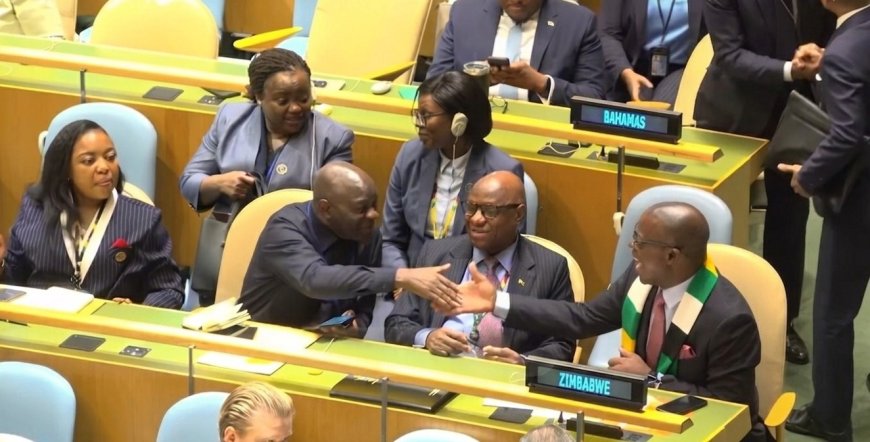
New York - In a vote highlighting shifting diplomatic winds, Zimbabwe has been elected as a non-permanent member of the United Nations (UN) Security Council for the 2027-2028 term, securing one of the highest vote tallies in the General Assembly session.
The country garnered 182 votes out of 190, a result hailed by officials as validation of years of patient diplomatic outreach.
President Emmerson Mnangagwa described the outcome as "a significant diplomatic milestone".
In a statement released shortly after the announcement on 3 June 2026, he said the seat a victory for Zimbabwe re-engagement policy.
"This resounding victory underscores the effectiveness of our Engagement and Re-engagement agenda, demonstrating the global community's confidence in Zimbabwe's leadership and commitment to international peace," he said.
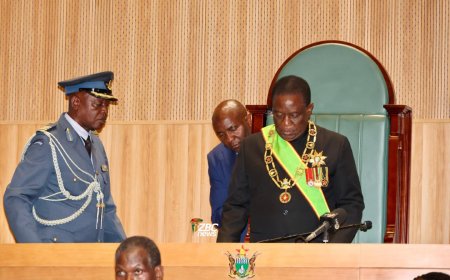
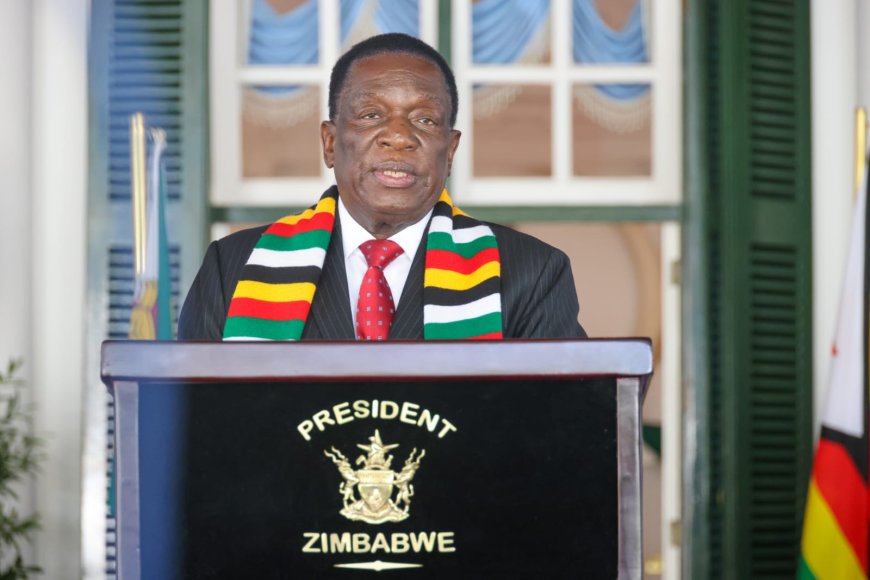 president Emmerson Mnangagwa.
As Zimbabwe prepares to take its seat alongside Austria, Kyrgyzstan, Portugal and Trinidad and Tobago from January 2027, replacing Somalia in the African rotation, the moment represents both continuity with the continent's priorities and a national victory for a nation that has navigated decades of isolation and sanctions.
Zimbabwe's relationship with the UN Security Council dates back to its early years as an independent state.
It previously served two terms from 1983-1984 and 1991-1992, during the era of Robert Mugabe.
Those periods coincided with Cold War aftermath dynamics and regional efforts to stabilise southern Africa.
The path to the current bid, however, began in earnest after Mnangagwa assumed power in late 2017 following Mugabe's ouster.
Facing economic challenges and lingering Western sanctions tied to earlier land reforms and governance concerns, the new administration prioritised "re-engagement" with the international community.
The policy sought to normalise relations with the United States, European Union and Commonwealth while maintaining strong ties with traditional partners like China, Russia and African neighbours.
Foreign policy analysts note that the strategy combined domestic reforms, economic liberalisation signals and active multilateral participation.
Zimbabwe contributed peacekeepers to UN missions, demonstrating commitment to international security responsibilities.
"No nation can prosper in isolation," Zimbabwe's Foreign Minister Amon Murwira told the UN General Assembly in 2025, reaffirming the country's multilateral stance.
Zimbabwe formally launched its candidature for the 2027-2028 seat in September 2025, with President Mnangagwa presiding over the event under the theme "Advancing 21st century solutions for global peace and security through multilateralism".
The African Union endorsed Zimbabwe as the sole candidate for its regional group, smoothing the path to an unopposed contest.
Diplomatic efforts intensified in the following months.
Minister Murwira led delegations and addressed high-level forums, emphasising themes of dialogue, peaceful coexistence, climate action and UN reform to give Africa greater representation.
Zimbabwe has long championed the Ezulwini Consensus, which calls for two permanent African seats with veto power on a reformed Council.
Support came from diverse quarters. Russia publicly backed the bid, with Ambassador Nikolai Krasilnikov conveying President Vladimir Putin's assurances during a meeting in Harare.
Cuba, India and the Southern African Development Community (SADC) also voiced endorsement.
The alliances reflected Zimbabwe's "friend to all" foreign policy approach, analysts say.
Western responses were more measured but indicated thawing relations. One European diplomat, speaking on condition of anonymity, acknowledged improved engagement since 2017 while stressing the importance of continued democratic and economic reforms.
The strong vote tally suggests broad acceptance of Zimbabwe across regional groups.
Non-permanent members serve two-year terms and participate fully in the Council's work on peacekeeping, sanctions and conflict resolution, though without veto power.
For the incoming "A3" African members, joining the Democratic Republic of Congo and Liberia, priorities are expected to include African-led solutions to continental conflicts, countering external interference and pushing for Council reform.
In his statement, President Mnangagwa outlined ambitious goals.
"As we assume our seat on the global stage, Zimbabwe is poised to contribute meaningfully to international peace, security and multilateral cooperation, championing a fairer and more equitable global order while amplifying Africa's voice," he said.
President Mnangagwa thanked UN member states and Zimbabwe's diplomatic team.
Experts view the election as symbolic of Zimbabwe's gradual reintegration.
"This is a major turnaround," one regional analyst observed, referencing the farm invasions of the early 2000s and subsequent sanctions.
"From pariah status to a seat at the high table reflects successful diplomacy," the analyst said.
Critics, however, caution against over-optimism.
Opposition voices and some human rights groups argue that domestic challenges, including political polarisation and economic hardship, could undermine credibility.
Zimbabwean officials counter that the vote itself demonstrates international confidence.
Looking ahead, Zimbabwe will join the Council at a time of global tensions, including conflicts in Ukraine, the Middle East and parts of Africa.
Its positions are likely to align with broader Global South perspectives, who emphasise sovereignty, dialogue over coercion and reform of international institutions.
Minister Murwira signalled readiness to contribute Zimbabwe's peacekeeping experience and focus on preventive diplomacy.
The government also says it sees opportunities to attract investment, describing the country as open for business.