Zimbabwe Begins Talks to Join BRICS Bank
Zimbabwe has initiated formal negotiations to join the BRICS New Development Bank, a crucial step toward securing alternative infrastructure funding as Western sanctions continue to block access to traditional Western multilateral lenders.
 Delicious Mathuthu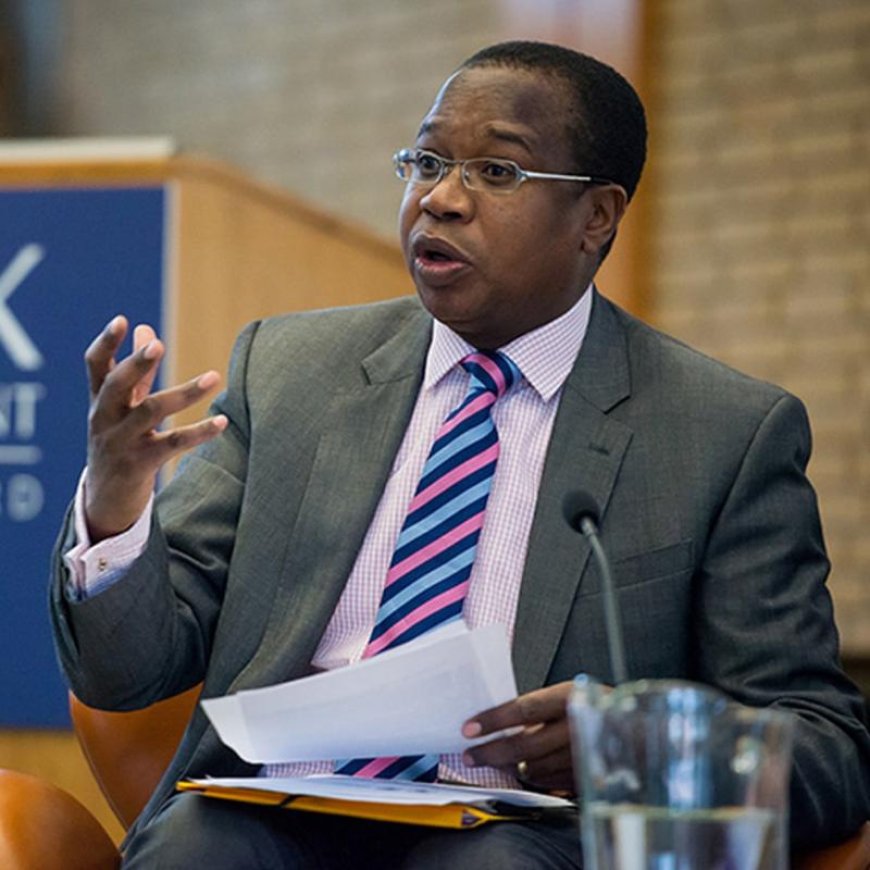
Harare - Zimbabwe has commenced formal negotiations to secure membership in the BRICS New Development Bank, representing a major push by the Southern African nation to unlock alternative sources of multilateral development finance.
The breakthrough comes as Harare somehow remains frozen out of traditional Western international financial institutions due to long-standing economic sanctions and debt.
The BRICS is an intergovernmental organisation comprising Brazil, Russia, India, China and South Africa. The alliance has since expanded to include Egypt, Ethiopia, Iran, Saudi Arabia and the United Arab Emirates.
The decision to allow accession talks followed an official directive from the institutional leadership of the multilateral bank, paving the way for a potential economic lifeline for the capital.
Zimbabwean Minister of Finance, Economic Development and Investment Promotion Mthuli Ncube confirmed that the institution’s board had greenlit the process following communications from the bank's head office.
"The Government of the Republic of Zimbabwe welcomes the decision by the board of directors of the New Development Bank authorising the commencement of formal negotiations regarding Zimbabwe’s membership of the bank," Ncube said.
"The Government received official communication from the president of the New Development Bank, Dilma Rousseff, confirming the start of the accession process and outlining the next steps towards Zimbabwe’s full membership," he said.
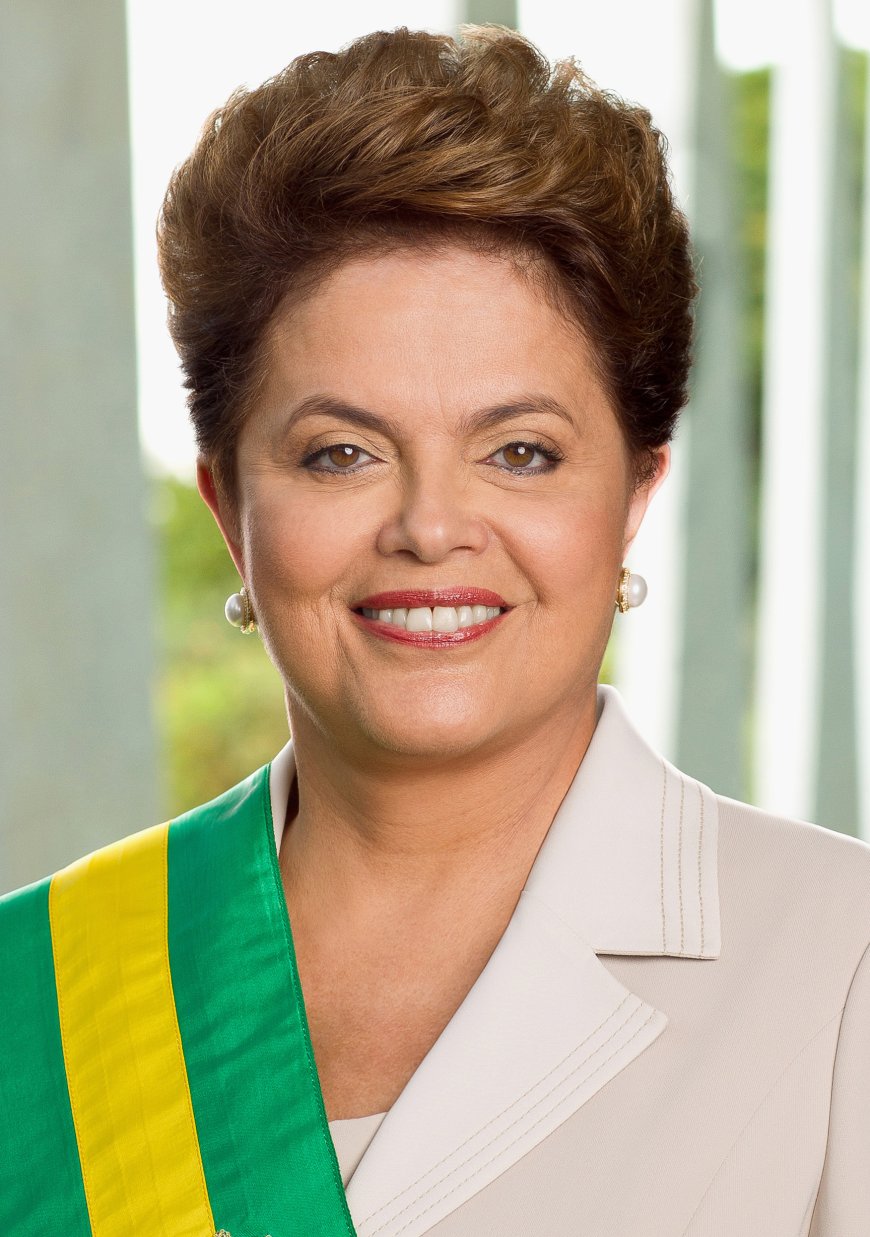 Dilma Rousseff. Image Source: Agência Brasil.
Zimbabwe's exclusion from concessional funding from the World Bank and the International Monetary Fund spans over two decades, triggered by political and economic disputes with Western powers including the United States, the United Kingdom and the European Union.
Left without traditional lines of credit, Harare has accumulated approximately US$2.5 billion in external debt arrears owed to the World Bank, the African Development Bank and the European Investment Bank.
The move toward the Shanghai-based lender is designed to diversify the country's funding channels and support its long-term infrastructure modernisation, energy security and industrialisation programs.
Treasury officials view the entry into the BRICS financial ecosystem as an endorsement of current macroeconomic policies.
"This landmark development represents a major milestone in Zimbabwe’s engagement and re-engagement agenda and reflects growing international confidence in the country’s economic reform programme, macroeconomic stability agenda and private sector-driven investment growth strategy," Ncube said.
Historically dependent on public-private partnerships to sustain national road and dam infrastructure projects, Zimbabwe applied to join the alternative lender in 2023 under President Emmerson Mnangagwa.
The bank, established in 2015 by Brazil, Russia, India, China and South Africa, serves as an institutional mechanism to finance sustainable development across emerging markets and the global South.
The commencement of the accession process underlines a broader structural shift in Zimbabwean diplomacy, which seeks to mitigate the impact of Western restrictions by integrating more tightly into non-Western capital markets.
"The commencement of formal negotiations also advances Zimbabwe’s broader efforts to deepen South-to-South win-win cooperation with emerging economies and integrating into the fast-evolving global technological and financial revolution associated with BRICS," Ncube said.
"The Government remains committed to implementing bold reforms that promote sustainable economic growth, job creation, innovation and inclusive prosperity, while positioning Zimbabwe as a competitive and resilient upper middle-income economy," he said.