The Missed Opportunity for Zimbabwe and the 2026 World Cup Finals
 Harry Taruva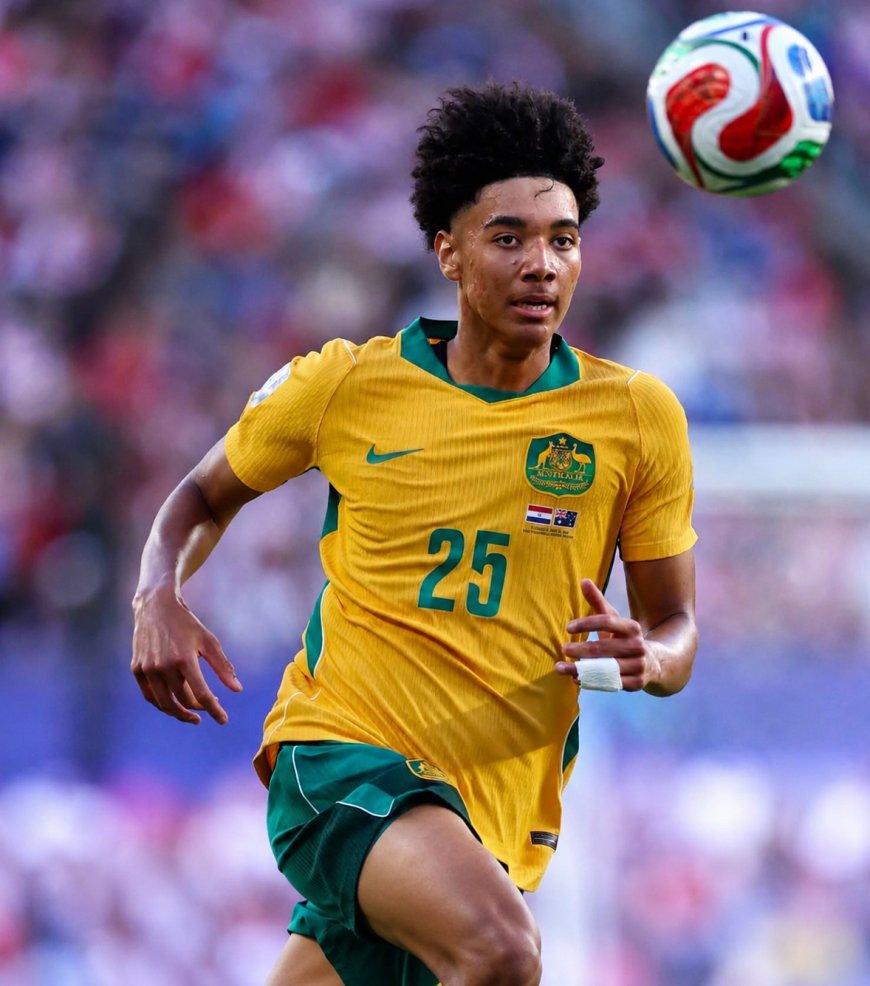
Sydney — The story of Lucas Herrington highlights both the potential and the challenge facing African federations.
Born in Brisbane, Australia, to a father of Zimbabwean descent, Herrington is a testament to the immense depth of talent residing within the African diaspora.
While Herrington has made history as the youngest starter for the Socceroos at a World Cup, his heritage places him in a category of players who could have potentially represented Zimbabwe.
The current landscape of international football suggests that for nations like Zimbabwe, the "Cape Verde model" could be transformative.
By pproactively reaching out to players with Zimbabwean roots across the globe, much like Herrington, national federations can inject professional development and international experience into their squads.
The 2026 FIFA World Cup has been a watershed moment for football, redefining what is possible for emerging nations on the world’s biggest stage, competing at the highest level serves as a poignant reminder of the global nature of modern football talent.
The Cape Verde Blueprint
The "fairytale" run of the Cape Verdean "Blue Sharks" to the Round of 32 has provided a tactical masterclass for African football federations.
Their success was built on two foundational pillars, which are tactical maturity and the power of diaspora.
On tactical maturity, Blby forcing the reigning world champions, Argentina, into a grueling 120-minute contest, Cape Verde proved that disciplined defensive organisation and counter-attacking efficiency can bridge the gap between "minnow" nations and global giants.
On the power of diaspora, perhaps the most significant lesson is Cape Verde's effective strategy of identifying, recruiting, and integrating players of national heritage raised in international leagues.
The deliberate, long-term approach to team building transformed their national identity and competitive edge.
A New Era for African Football
The success of Cape Verde and the Democratic Republic of Congo on this tournament has signaled a profound shift, breaking tradition, where nations without historic World Cup legacies can successfully challenge elite powers within the expanded 48-team format.
The tournament also witnessed changing perceptions; the tactical calmness and discipline displayed by emerging African teams have forced the global football community to re-evaluate these squads, as noted by legends like Hristo Stoichkov.
For African federations, the path forward is clear, the integration of diaspora talent and a commitment to long-term, professionalised team building are no longer optional, they are the new standard for international success.
Lucas was also eligible to represent Zimbabwe because of his father's Zimbabwean roots.