
Religious Beliefs Influence Demand for Ugly Food, Study Finds
By Harry Taruva — A study involving Charles Darwin University researchers has found that religious values, environmental responsibility and price consciousness can encourage consumers in Pakistan to buy aesthetically imperfect or ugly food. The discovery is expected to help shape campaigns aimed at reducing food waste by highlighting affordability, value for money and environmental benefits.
 Harry Taruva
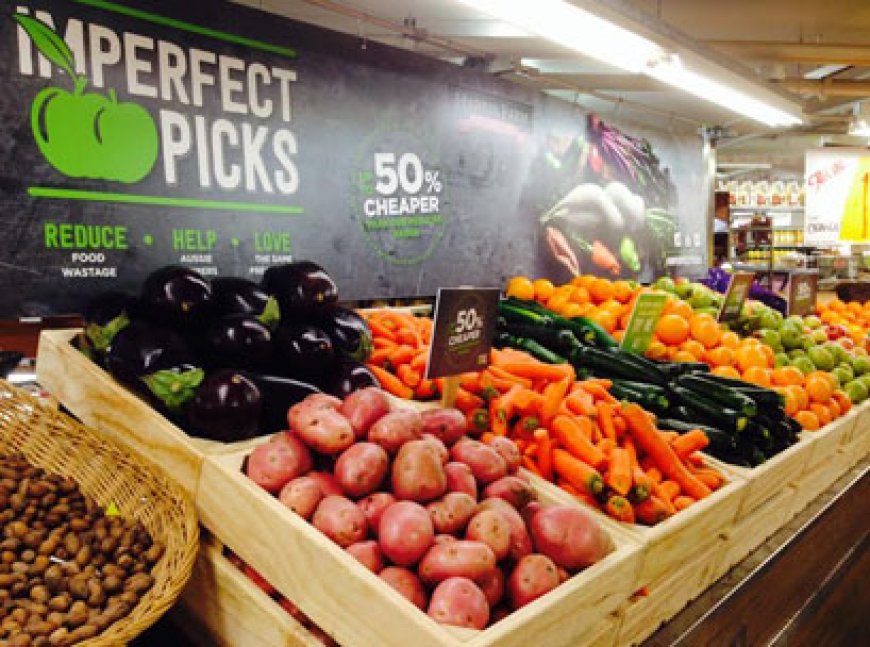
Darwin, Australia/ (Parkistan) — A study involving Charles Darwin University researchers has found that religious beliefs, environmental concerns and price consciousness can influence consumers’ willingness to buy aesthetically imperfect, or ugly food, offering potential new approaches to reducing food waste.
The research, conducted among household grocery shoppers in Pakistan, examined why consumers buy fruits, vegetables and other foods that may be rejected by retailers or shoppers because of their appearance, despite remaining nutritious.
The findings come against the backdrop of substantial global food waste, with the United Nations (UN) estimating that almost one-third of food produced annually is lost or wasted.
Aesthetically imperfect produce contributes to agricultural losses as retailers and consumers favour visually appealing products.
Co-author, Dr. Fouzia Yasmin, a Charles Darwin University academic in Business and Accounting, said the study identified three links between religious values and purchasing behaviour.
The researchers found that religious beliefs could directly motivate consumers to purchase imperfect food.
Religious values associated with caring for nature also encouraged such purchases, while a desire to avoid wasteful spending made price-conscious consumers more willing to buy substandard-looking produce at discounted prices.
The study suggests that efforts to reduce food waste could benefit from addressing consumers’ moral and financial motivations alongside the environmental consequences of discarding edible food.
Pakistan provided the research setting because of the influence of religion on everyday consumption.
The country is also grappling with significant food waste amid persistent food insecurity, malnutrition and rising food prices.
An estimated 36 million tonnes of food, equivalent to about 40% of crop output, goes to waste in Pakistan, according to figures cited in the study announcement.
Dr. Yasmin said the findings were specific to the Pakistani sample but could inform further research into consumer behaviour in culturally diverse markets, including Australia.
“The mechanisms identified, such as avoiding waste, environmental responsibility, stewardship, frugality and value for money, are not confined to one faith,” she said.
“Our findings therefore provide a basis for testing whether values-based and culturally tailored messages may be more effective in diverse markets such as Australia," Dr. Yasmin said.
The researchers said campaigns encouraging consumers to purchase imperfect produce should highlight affordability and economic value as well as environmental benefits.
Such messaging could help challenge the preference for visually flawless food and make consumers more willing to buy produce that would otherwise be rejected.
The study involved researchers from the Government of Punjab in Pakistan, Canterbury Institute of Management, COMSATS University Islamabad, Charles Darwin University and the International College of Management in Sydney.
Titled The impact of consumers’ religiosity on their purchasing behaviour towards ugly food: a serial mediation model of environmental concerns and price consciousness, the research was published in the journal Cogent Business & Management.
The findings point to the potential for food retailers, policymakers and educators to use culturally relevant messaging to encourage more sustainable purchasing habits, although further research would be needed to establish whether the same relationships hold across different populations.