Only 22% of Australian Parents Feel Prepared to Support Children Through Bullying, Survey Finds
Only 22% of Australian parents feel very prepared to support their children through bullying, new Triple P - Positive Parenting Program International (TPI) research has revealed, as Bullying No Way Week calls on families, schools and communities to create safer and more inclusive environments for children.
 Panashe Chikonyora
Brisbane — Only 22% of Australian parents feel prepared to support their children through bullying, new Triple P - Positive Parenting Program International (TPI) research has revealed, as Bullying No Way Week calls on families, schools and communities to create safer and more inclusive environments for children.
The findings come as Triple P International' Positive Parenting Program marks the Bullying No Way Week held from 17 to 21 August, with the organisation highlighting the need to give parents and carers greater confidence to recognise and respond to bullying.
The research found that one in four Australian school-aged children experiences bullying, highlighting the importance of ensuring families are equipped to recognise warning signs and support children who may be struggling.
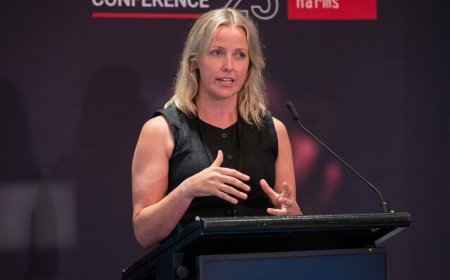
Commenting on the evidence provided by the findings in a press statement, Triple P International Country Director, Carol Markie-Dadds, said parents and carers need confidence and support to respond to challenges their children may face at school, with friends or online.
She said their simple actions, such as noticing changes in behaviour of the children and creating opportunities for open conversations could make a meaningful difference.
“One of the hardest things for parents and carers is learning that their child may be struggling, whether it's related to difficulties at school, within friendships or online, and then wondering whether they're saying or doing the right thing.
“Schools, families and communities all have a role to play in creating cultures of kindness, respect and belonging,
“When parents and carers are given the confidence and support to help their children navigate life’s challenges, we not only strengthen individual wellbeing but help create safer and more inclusive environments for all children," she said.
She also encouraged parents to help children develop skills such as kindness, inclusion and speaking up when something does not feel right, as she said they help shape children's behaviour by modelling respect, kindness and inclusion.
“Parents and carers play an important role in helping children develop positive social behaviours and the relationship skills needed to navigate challenges and get along with others,” added Carol in the statement.
Meanwhile, Tripple P further urged parents and carers to create a judgement-free zone for open conversations, explore challenges together with their children, encourage empathy and inclusion, stay engaged in their children's world, and make time for regular connection by engaging in everyday activities.
Triple P International is a Brisbane-based social enterprise that delivers the Triple P – Positive Parenting Program, an evidence-based parenting program developed by Professor Matt Sanders and colleagues at The University of Queensland's Parenting and Family Support Centre.
The program has been translated into more than 20 languages and has been delivered internationally through a network of trained practitioners.