Monash Study Triggers Overhaul of Free Legal Services in Melbourne’s West
Melbourne study finds migrant workers often bypass legal services for Facebook and family advice, prompting culturally sensitive legal aid reforms.
 Harry Taruva
Melbourne - A landmark study into legal aid in Melbourne’s western suburbs has found that migrant communities often bypass formal legal channels in favor of Facebook forums and family networks when facing workplace discrimination, prompting a redesign of how free legal services are delivered.
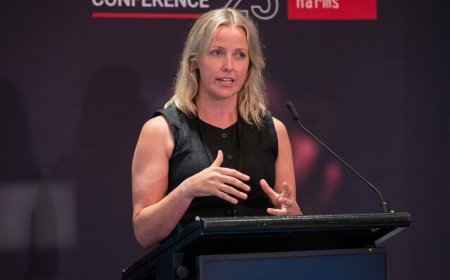
The report, led by Monash Business School’s Dr. Adriana Orifici, focused on the Vietnamese, Indian, Afghan and South Sudanese communities.
It revealed a significant knowledge gap between being aware of workplace rights and knowing how to access the free legal machinery meant to protect them.
"While focus group participants frequently knew that laws existed... few knew that tailored legal services existed in Victoria that could provide them with help," Dr. Orifici said.
The study found that for many workers in these communities, the first port of call for reporting sexual harassment or discrimination is rarely a lawyer.
Instead, they rely on informal pathways to preserve anonymity and cultural safety.
Participants highlighted Facebook groups and anonymous online forums as vital, low-risk spaces to ask questions.
Close family, friends and colleagues remain the primary sources of advice, often due to a lack of trust or familiarity with the legal system, the report reveals.
"For some participants, confidentiality and anonymity when attempting to solve a problem about discrimination or sexual harassment at work were key priorities," Dr. Orifici noted.
The findings have led to nine specific recommendations for Westjustice, the community legal center that commissioned the research under a Victoria Law Foundation grant.
The center's leadership confirmed it would implement all recommendations to move away from a "one size fits all" model.
Jennifer Jones, Legal Director at Westjustice, said the research allows the organization to implement evidence-informed activities that respect the specific cultural needs of Melbourne's west.
A key takeaway from the focus groups was the specific request for cultural safety.
Female participants, in particular, expressed a desire for lawyers to proactively ask about their cultural needs during initial meetings.
The study found that barriers to seeking help are rarely just about language; they are a complex intersection of gender, cultural background and confidence in the Australian legal system.
"Responding to these needs requires a proactive approach from lawyers and the service, generally," Dr. Orifici said.
Melissa Hardham, CEO of Westjustice, stated that the organization remains proudly community-led, adding that the goal is to ensure residents can get help where and when they need it.