Iran’s Supreme Khamenei Leader Killed Amidst Massive U.S.-Israeli Military Offensive
The confrontation between the United States and the Islamic Republic of Iran has reached its most critical juncture since the 1979 Revolution. Following the collapse of high-stakes nuclear negotiations in Geneva in late February 2026, the United States and Israel initiated "Operation Epic Fury" on February 28, 2026. The strikes have resulted in a profound shift in regional power dynamics, most notably with the confirmed death of Supreme Leader Ayatollah Ali Khamenei. In response, Tehran has launched retaliatory missile and drone barrages across the Middle East, striking U.S. military assets and cities in the Persian Gulf.
 Harry
Harry
By Staff Reporter
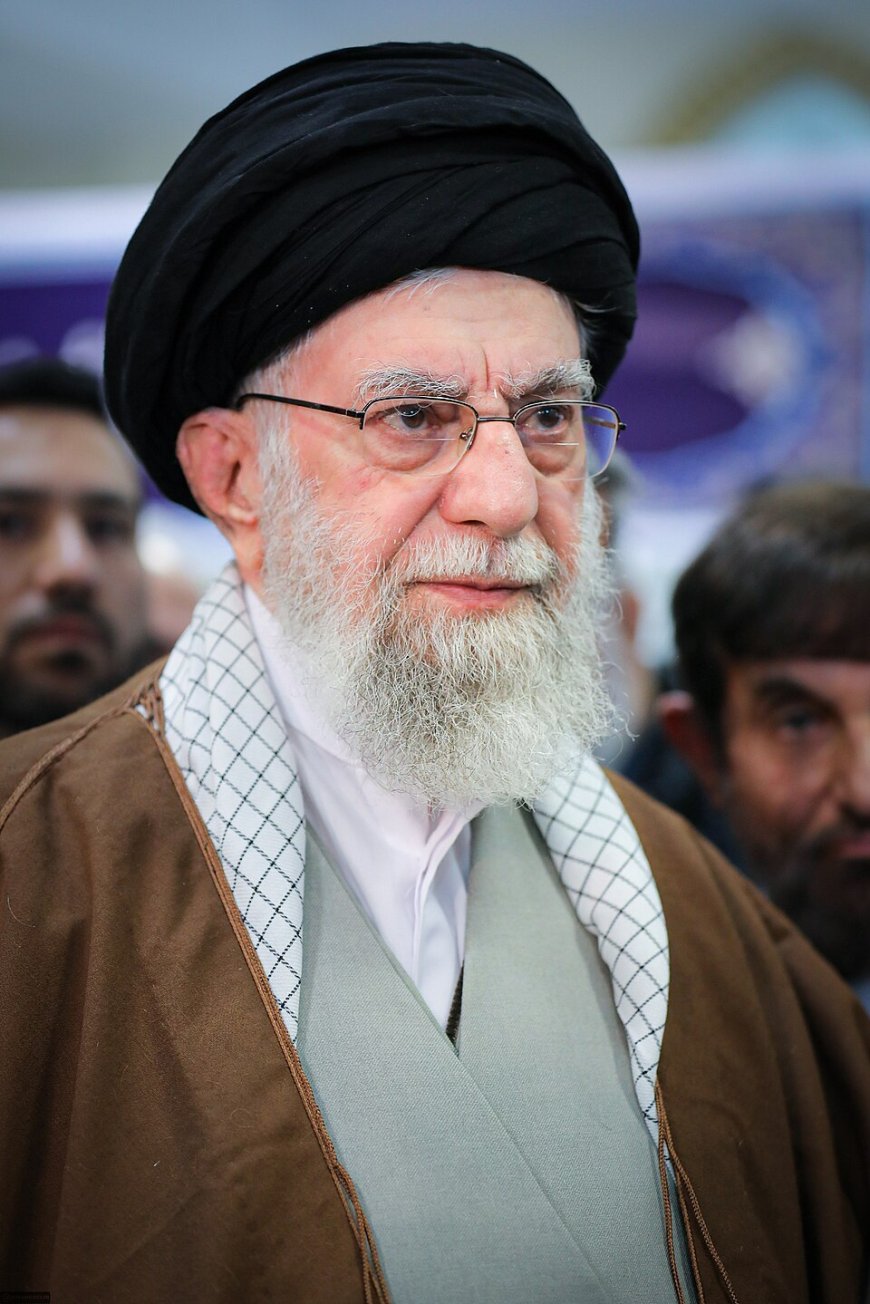
Tehran/Washington - On February 28, 2026, the long-simmering shadow war between the United States and the Islamic Republic of Iran crossed a definitive threshold into open, large-scale military confrontation that has claimed the life of Iranian Supreme Leader, Ali Khamenei.
The launch of "Operation Epic Fury," a joint U.S.-Israeli air campaign, has targeted the heart of Iran’s nuclear and military infrastructure, effectively ending years of precarious gray zone warfare and signaling the most significant shift in Middle Eastern geopolitics in decades.
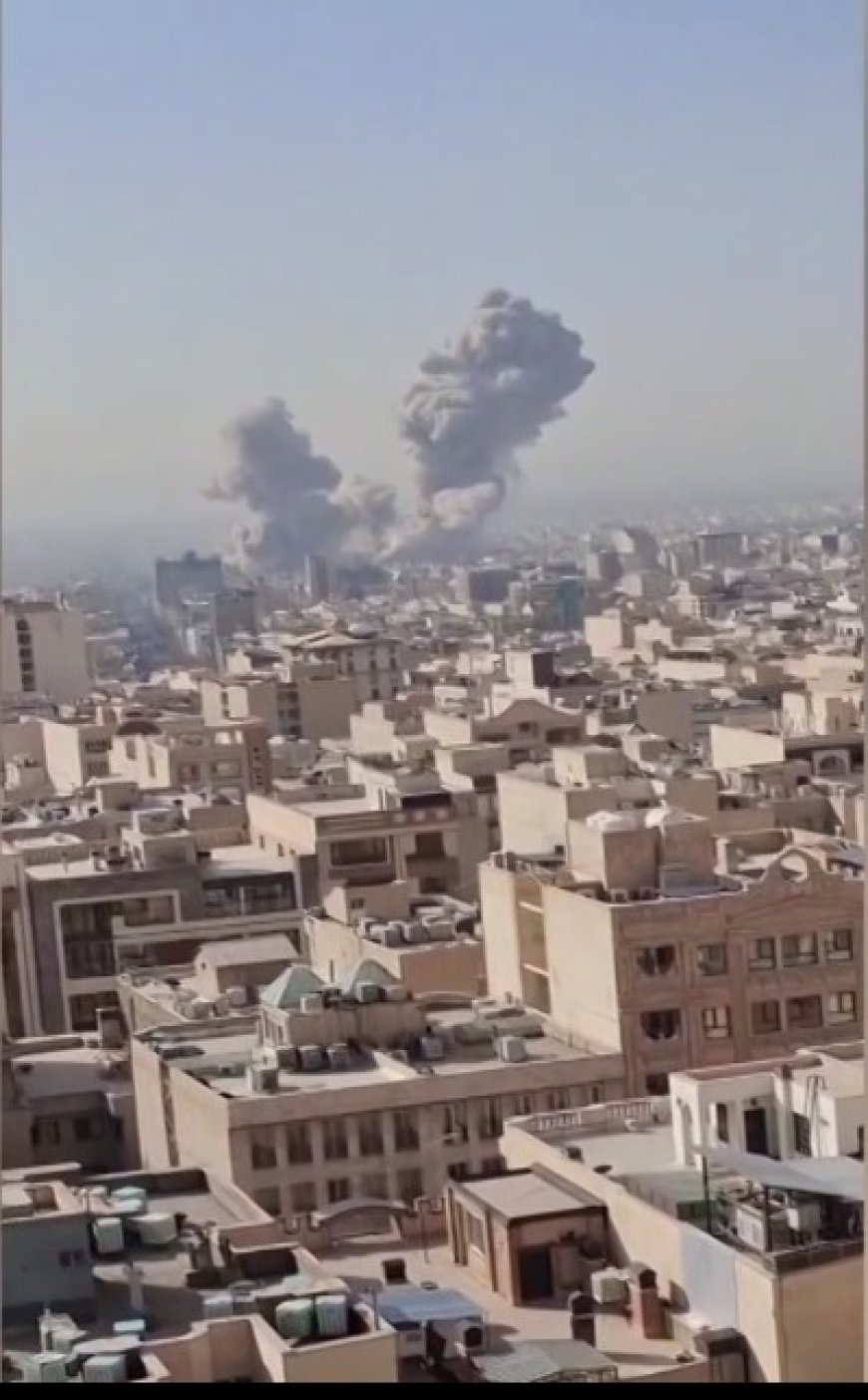 Ongoing U.S./Israeli-Iran War
The war has left hundreds of civilians dead including school children.
While the current escalation reached its peak this week, the roots of the crisis are anchored in the 2018 U.S. withdrawal from the Joint Comprehensive Plan of Action (JCPOA).
The maximum pressure campaign that followed crippled the Iranian economy but failed to dismantle its regional influence.
The situation deteriorated rapidly following the October 7, 2023, attacks on Israel by Hamas, an Iranian-backed group.
Throughout 2024, a series of tit-for-tat strikes between Israel and Iran, including a direct Iranian missile attack on Israel in April 2024, shattered the long-standing taboo against direct state-on-state violence.
By mid-2025, a brief 12-Day War between Israel and Iran drew Washington closer to the fray, ending in a fragile ceasefire that did little to address the underlying nuclear tensions.
The immediate catalyst for the current strikes was the collapse of high-stakes negotiations in Geneva just days ago.
The Trump administration, which returned to power with a mandate to finalize a permanent deal, demanded the total dismantlement of facilities at Fordow and Natanz.
"The United States military began major combat operations in Iran to defend the American people by eliminating imminent threats," President Donald Trump stated shortly after the strikes began.
He declared a rigid bottom line that "Tehran can never have a nuclear weapon."
The refusal of Iranian negotiators to accept these terms, coupled with intelligence reports of an accelerated enrichment program, prompted the decision for a preemptive strike by the U.S. and Israel.
Prime Minister Benjamin Netanyahu of Israel echoed the sentiment, framing the operation as a necessity to remove an "existential threat posed by the terrorist regime in Iran."
As of March 1, 2026, the conflict has expanded beyond Iranian borders. Following reports that Supreme Leader Ayatollah Ali Khamenei was killed in the initial strikes, Tehran launched a fierce retaliatory wave of ballistic missiles and drones.
The Islamic Revolutionary Guard Corps (IRGC) has declared the vital Straight of Hormuz waterway unsafe for commercial shipping, effectively choking 20% of the world’s petroleum supply.
Iranian strikes also targeted U.S. military assets and host nations across the Gulf, including facilities in Bahrain, Qatar and the United Arab Emirates.
Inside Iran, reports say the military strikes coincide with a massive wave of anti-government protests triggered by the rial's collapse earlier this year.
Iranian President Masoud Pezeshkian, facing a nation in mourning and a government under siege, described the assassination of the Supreme Leader as a "declaration of war against Muslims."
He added that "the Islamic Republic considers seeking justice and retaliation a duty and a legitimate right."
The international community remains divided. While some Western allies have expressed support for the objective of nuclear non-proliferation, others fear a protracted regional war with no clear exit strategy.
Russia and China have condemned the strikes, with Moscow warning that the "spiral of violence" could have global consequences.