Healer's Betrayal: Traditional Practitioner jailed 15 years for raping vulnerable patient
 Dumisani Ndlovu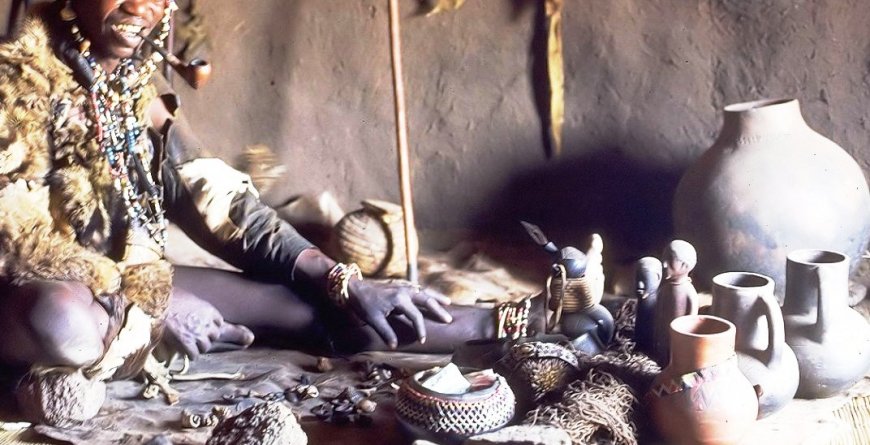
When 22-year-old Anna Muvonde was left at a traditional healer’s homestead in rural Mvuma, her family believed they were placing her in safe hands.
Instead, the Gweru Regional Court heard, she was left in the custody of a man who would manipulate her vulnerability and violate her trust.
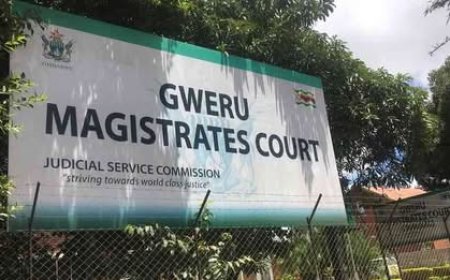
On Tuesday, the 24th of February 2026, Regional Magistrate Sibongile Marondedze sentenced 45-year-old Innocent Chikovo to 15 years’ imprisonment after convicting him of repeatedly raping the young woman he claimed he was healing.
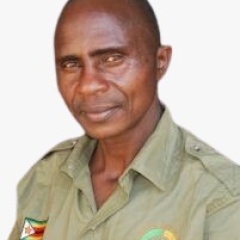
But the sentence was not shaped by facts alone. It was also forged through the relentless and uncompromising prosecution led by Senior Public Prosecutor Eggrina Matutu, whose courtroom strategy methodically dismantled the accused’s posture as a healer and reframed him as a predator hiding behind ritual.
The court heard that Anna and her mother first approached Chikovo in August 2023 seeking spiritual assistance. In January 2024, he allegedly convinced them the complainant needed to remain at his homestead to complete her healing.
Once isolated from her family, he reportedly told her sexual intercourse was necessary to administer traditional medicine. Under the guise of ritual, he led her to a nearby bush, instructed her to undress and had unprotected sexual intercourse with her without her consent.
The assaults were repeated, the court was told. Substances were administered. Her condition worsened.
What the defence attempted to frame as cultural practice, the State reframed as calculated exploitation.
In submissions that gripped the courtroom, Matutu argued that the accused did not merely commit rape — he aggravated it through deception, abuse of authority and calculated manipulation.
“This was not an act of impulse,” she submitted. “It was a sustained abuse of a position of trust.”
She emphasised the 24-year age difference between the accused and the complainant and underscored that the young woman had been left under his care specifically for healing.
“The accused weaponised culture and spiritual authority to silence and control his victim,” Matutu argued. “He did not treat her. He weakened her.”
She further stressed the deliberate failure to use protection.
“The complainant was exposed to the risk of sexually transmitted infections, including HIV. That risk alone elevates the gravity of this offence,” she told the court.
Matutu’s prayer was unequivocal: a custodial sentence that would reflect society’s condemnation of rape committed under the cloak of trust.
“The aggravating factors far outweigh any mitigation. The only appropriate sentence is a lengthy term of imprisonment,” she submitted firmly.
Her delivery was measured but unflinching — a prosecution that did not sensationalise the facts but allowed them to speak with clarity and weight.
In delivering judgment, Magistrate Marondedze echoed many of the prosecution’s arguments.
“This court cannot overlook the gross abuse of trust by the accused,” she said. “The complainant was placed under his care for healing. Instead, he exploited her vulnerability.”
She highlighted the repeated nature of the assaults and the exposure to health risks.
“The aggravating factors in this matter far outweigh the mitigating factors,” she ruled. “The only appropriate sentence in this case is one of imprisonment.”
Chikovo was sentenced to 15 years behind bars.
In her victim impact statement, Anna described how her health deteriorated instead of improving. She lost her job. She spent USD160 on medical treatment. Her social and financial life shifted dramatically.
For her, justice now begins where false healing ended.
The case stands as a genuine reminder that positions of spiritual or cultural authority carry responsibility — and when that responsibility is abused, the law will intervene decisivelyIn the end, what began as a search for healing became a courtroom reckoning — shaped not only by the courage of a survivor, but by a prosecution that insisted the betrayal of trust be recognised as the grave aggravation it was