Expert Urges Australia to Accelerate AUKUS Nuclear Qualified Workforce and R&D Investment
Monash University Engineering Dean Professor Yiannis Ventikos warns that Australia must urgently scale up its nuclear-qualified workforce and advanced manufacturing to secure sovereign capability through the SSN-AUKUS program
 Harry Taruva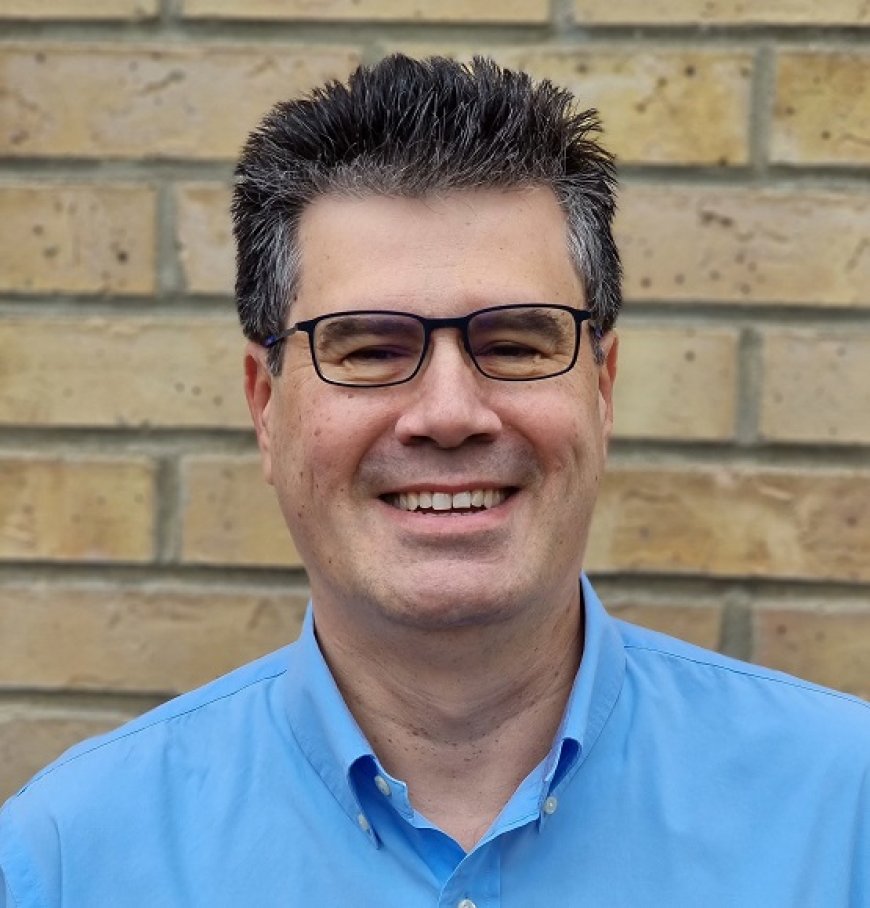
Melbourne - Australia must prioritize urgent investment in nuclear qualified workforce development and advanced manufacturing to transform the A$310 million SSN-AUKUS submarine program into a driver of long-term sovereign industrial capability, a leading engineering expert said on Tuesday.
Professor Yiannis Ventikos, Dean of the Faculty of Engineering at Monash University, characterized the nuclear-powered submarine project as a "once-in-a-generation" opportunity to elevate the nation’s technological ecosystem.
He argued that while progress is being made, the government must accelerate domestic research and development and scale up training programs for nuclear-qualified personnel to ensure the program's success.
“Recent global disruptions vividly highlight how critical resilient supply chains and technology transfer have become. Building sovereign capability in complex engineering helps ensure Australia can maintain critical national infrastructure and advanced systems, regardless of external pressures," Prof. Ventikos said.
The SSN-AUKUS initiative represents a significant pillar of Australia’s defense strategy, yet the complexity of the platforms requires a massive mobilization of local expertise.
Professor Ventikos described the submarines as the "quintessential system of systems," integrating high-performance materials, precision manufacturing and advanced propulsion into a single unit designed for extreme underwater environments.
“Submarines are among the most complex machines ever built. They integrate advanced propulsion, high-performance materials, precision manufacturing, sensing systems, software and life-support into a single platform designed to operate in one of the harshest environments on Earth. They are the quintessential system of systems," he said.
The Monash University expert said the technological spillovers from the defense sector could provide critical advantages to other industries, including aerospace, medical technology and clean energy.
He noted that the high standards of systems integration and automation required for nuclear submarines are directly transferable to these high-growth sectors.
To achieve this, Professor Ventikos called for increased funding to link Universities with small and medium-sized enterprises and prime contractors.
He emphasised that building sovereign capability would act as a safeguard against global supply chain disruptions, ensuring Australia can maintain its national infrastructure and advanced systems independently of external geopolitical pressures.
The call for action comes on the backdrop of Australian government continuation in navigating the logistical and educational hurdles of transitioning to a nuclear-powered fleet, a task that requires thousands of specialized engineers and tradespeople.
“SSN-AUKUS platforms can act as a catalyst for lifting standards and introducing new capabilities across Australia’s advanced manufacturing sector,” Prof Ventikos said.
“The real, once-in-a-generation, opportunity is to ensure that defence-driven investment translates into enduring sovereign capability and a more resilient, technologically mature national manufacturing ecosystem,” he said.