Zimbabwe War Veterans File Constitutional Court Challenge to Block Mnangagwa’s Term Extension
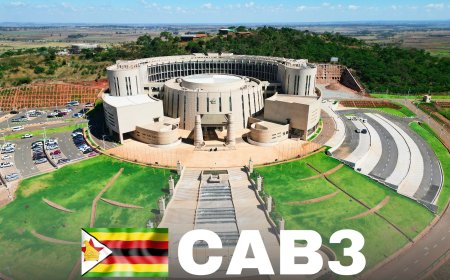
A group of Zimbabwean liberation war veterans has approached the Constitutional Court to block President Emmerson Mnangagwa’s "Constitutional Amendment Bill No. 3." The application argues that the bill, which seeks to extend the presidential term to 2030 and shift to a parliamentary-led election system, is a breach of the President's oath of office and a violation of section 328(7) of the Constitution.
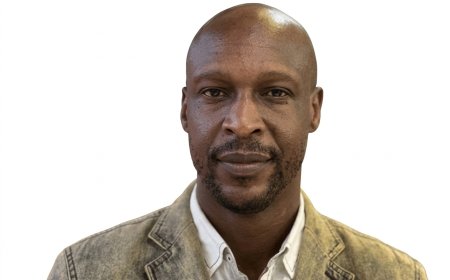
 Delicious Mathuthu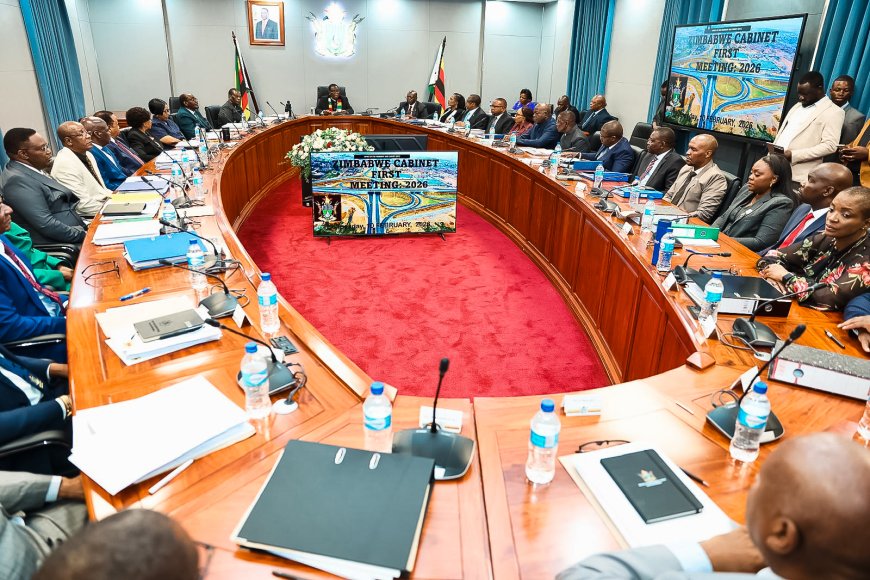
Harare - A group of Zimbabwean liberation war veterans has filed an urgent challenge in the Constitutional Court seeking to block President Emmerson Mnangagwa from advancing a controversial constitutional amendment bill that would extend his time in office until 2030 and shift the election of the President from voters to parliament.
The six veterans, Reuben Zulu, Godfrey Gurira, Shoorai Nyamangodo, Joseph Chinyangare, Digmore Knowledge Ndiya and Joseph Chinguwa, lodged the application on Monday, accusing Mnangagwa of breaching his oath of office by chairing a cabinet meeting that approved the draft legislation from which he personally stands to benefit.
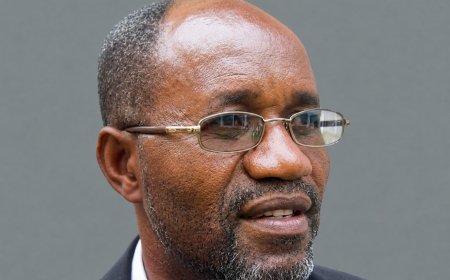
Represented by prominent constitutional lawyer, Professor Lovemore Madhuku, the applicants argue that Mnangagwa violated sections 90(1), 90(2)(b) and 196(2) of the constitution, which require the president to uphold, defend and respect the supreme law, act in the public interest and avoid conflicts between personal and official duties.
“In presiding over and/or chairing Cabinet deliberations and processes pertaining to Constitutional Amendment Bill No. 3, and in being party to its approval by Cabinet, the 1st Respondent failed to fulfil his constitutional obligations,” the court papers state.
The veterans are seeking a declaratory order nullifying the cabinet’s approval of the bill on February 10, and an interdict permanently barring Mnangagwa from signing, assenting to or advancing the proposed law.
They also want the court to rule that any constitutional change extending the tenure of, or conferring a benefit on, an incumbent President is invalid under section 328(7) of the constitution.
“The Constitution cannot be redesigned by those who stand to benefit from its distortion,” the application says, adding, “section 328(7) is clear, an incumbent cannot profit from amendments that extend their term.”
The Constitutional Amendment (No. 3) Bill, gazetted by the Speaker of Parliament this week, proposes changing the Presidential term from five to seven years and replacing direct popular elections with a parliamentary vote.
A candidate would need a majority in parliament; a run-off would be held if no one secures an absolute majority.
Other provisions include transferring responsibility for maintaining the voters’ roll from the Zimbabwe Electoral Commission to the Registrar-General and additional institutional changes the government describes as constructive reforms to strengthen governance and promote stability.
The bill follows a resolution by the ruling ZANU-PF party at its conference in October 2025 to extend Mnangagwa’s rule.
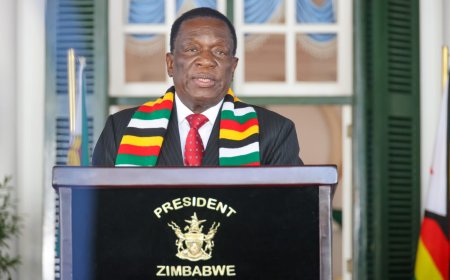
The 83-year-old President, who came to power in a 2017 military assisted transition that ousted the late Robert Mugabe, is in his second and final five-year term, which expires in 2028 under the current constitution.
ZANU-PF holds a two-thirds majority in parliament, giving it the numbers to pass constitutional amendments.
The government has said the changes align Zimbabwe with practices in other jurisdictions and do not require a referendum, though constitutional experts and opposition figures insist term-limit alterations must be put to a public vote.
The war veterans’ challenge marks a notable rift within a constituency traditionally loyal to ZANU-PF.
Liberation fighters played a central role in the party’s rise to power at independence in 1980 and have often been vocal supporters of Mnangagwa.
The Constitutional Court is expected to set timelines for responses and schedule a hearing. The filing comes amid broader criticism of the proposed reforms.
Opposition politicians have condemned the move as an attempt to subvert democracy, while civil society groups have warned it could undermine public confidence in the constitution.
Jameson Timba, a senior opposition figure, previously described the cabinet’s approval of the bill as 'politically destabilising'.
The bill triggers a 90-day period for public submissions before it can proceed to a Parliamentary vote.
President Mnangagwa has not publicly commented on the court application. His allies in ZANU-PF have framed the proposed changes as necessary for continuity and long-term national planning.
Analysts say the veterans’ intervention adds significant symbolic weight to opposition against the bill, given the historical reverence for liberation war participants in Zimbabwean politics.