Zambia’s RightsCon Cancellation Triggers Global Debate on Rights and Foreign Influence
Zambia’s abrupt cancellation of RightsCon 2026 in Lusaka has triggered global backlash, with organisers and rights groups citing foreign pressure, particularly linked to Taiwan participation and warning of shrinking civic space ahead of elections.
 Delicious Mathuthu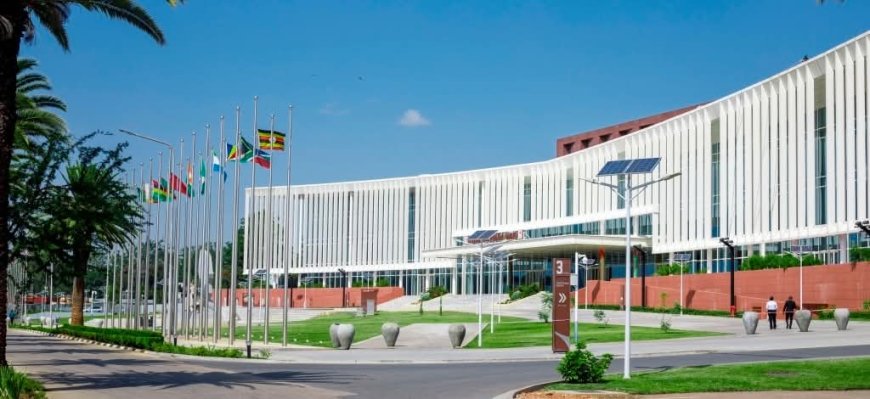
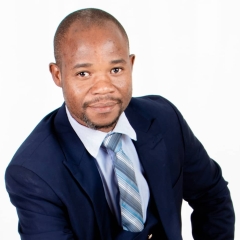
By Delicious Mathuthu
Lusaka - Just days before thousands of activists, technologists, policymakers and researchers were set to converge on Lusaka for RightsCon 2026, the world’s largest gathering on human rights in the digital age, the Zambian government announced its postponement.
What organisers and participants describe as an effective cancellation has sparked international outrage, raised alarms about shrinking civic space in Zambia and highlighted the reach of foreign influence, particularly from China, in African digital rights discourse.
RightsCon, organised by the United States of America based digital rights group Access Now, was scheduled for May 5–8, 2026, at the Mulungushi International Conference Centre in Lusaka.
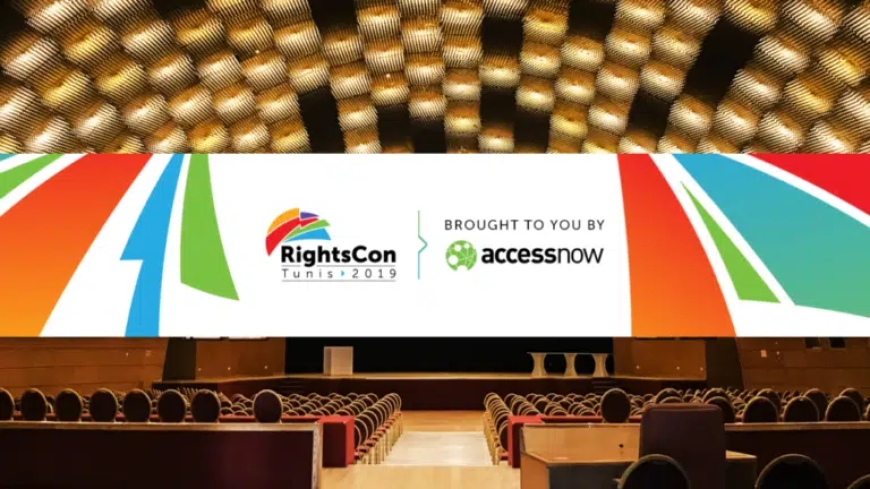 File photo, RightsCon 2019, Tunis. Image Credit: RightsCon
It had drawn commitments from over 2,600 in-person and 1,100 online participants from more than 150 countries and 750 institutions.
The event was intended as a major boost for Zambia’s profile in digital governance and tourism, coming alongside UNESCO’s 3 May World Press Freedom Day events.
A Sudden Reversal
Planning had progressed smoothly for months. Access Now conducted multiple site visits starting in 2024, signed a Memorandum of Understanding (MoU) with Zambia’s Ministry of Technology and Science (MoTS) and coordinated with several government bodies, including the Ministries of Tourism and Information & Media, as well as the Department of Immigration.
The Hakainde Hichilema led government had publicly endorsed the summit as recently as April 26, 2026.
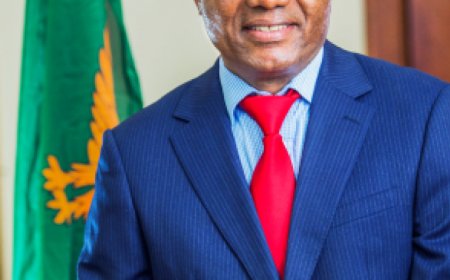
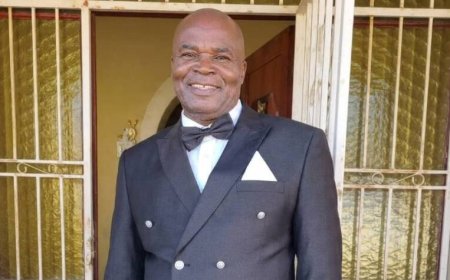
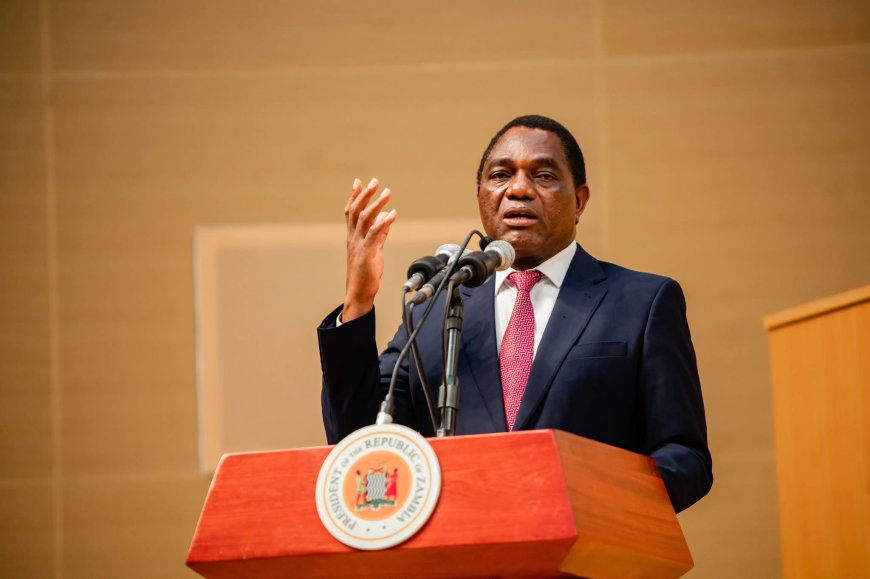 President Hakainde Hichilema.
The reversal came abruptly. On April 27, Access Now received a call from MoTS officials citing pressure from Chinese diplomats over the planned in-person participation of Taiwanese civil society representatives.
Reports soon emerged of immigration officers informing arriving participants that the event was cancelled.
On April 28, a national public holiday, Zambian state-owned media announced the “postponement.”
Zambia’s Ministry of Information and Media, through Permanent Secretary Thabo Kawana, later clarified that the decision was necessitated by the need for comprehensive disclosure of critical information relating to key thematic issues proposed for discussion during the Summit, to ensure alignment with “Zambia’s national values, policy priorities, and broader public interest considerations.”
Minister of Technology and Science, Felix Mutati, had referenced pending administrative and security clearances for some speakers.
Access Now described these as the government’s first formal written communications on the matter, delivered informally via WhatsApp after the public announcement.
Organisers stated that informal demands included moderating specific topics and excluding Taiwanese participants, conditions they viewed as a red line incompatible with RightsCon’s principles of openness and inclusivity.
Unable to pivot such a large-scale event on short notice, and unwilling to compromise, Access Now confirmed on April 29 that the summit would not proceed in Zambia or online, advising participants not to travel.
The China-Taiwan Factor and Venue Politics
Multiple sources point to Chinese pressure as a central driver. Local media outlet News Diggers! reported, citing well-placed sources, that the cancellation stemmed from Taiwanese delegates potentially criticising China at a venue refurbished with Chinese funding, reportedly a US$60 million “gift” with no strings attached.
Human Rights Watch (HRW) cited a local civil society activist involved in organising the event linking the decision to Chinese displeasure over Taiwanese participants.
Access Now explicitly stated its belief that foreign interference was the reason the event could not proceed.
Zambia maintains close economic ties with China, including significant infrastructure investments and loans.
The Mulungushi Centre itself is one structure that symbolises the relationship.
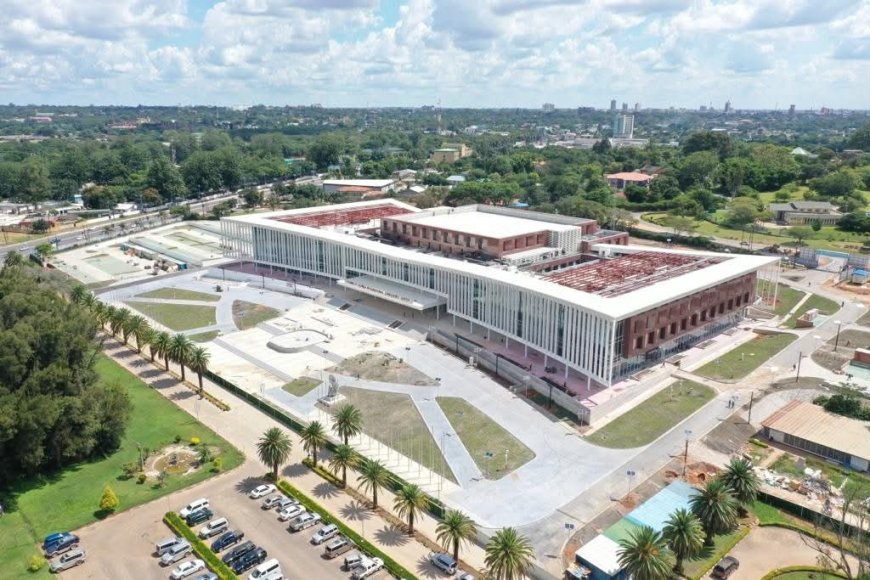 Mulungushi International Conference Centre, Zambia.
Critics also argue that the episode is an illustration of “transnational repression,” where powerful states influence host governments to suppress dissenting voices in international forums.
Domestic Context: Rights, Elections, and Digital Regulation
The cancellation occurs against a backdrop of ongoing debates over civic space and digital rights in Zambia.
In 2025, the government enacted the Cyber Security Act and Cyber Crimes Act, which civil society groups have criticised for provisions that could threaten freedom of expression and fail to meet international standards.
The laws have been used in cases involving online criticism of the government.
With general elections also approaching in August 2026, some observers, including Zambian academic, Sishuwa Sishuwa, suggest authorities may have feared scrutiny from international human rights delegates on issues like restrictions on assembly, speech and association.
HRW noted that the government’s stated reasons appeared aimed at controlling the summit’s human rights agenda.
Access Now maintained that its selection of Zambia followed a rigorous process, including community consultations and was meant to highlight Africa’s vibrant digital rights community.
The abrupt end has disappointed local partners who invested heavily in the event, the organisation said.
International Reactions
The decision has drawn widespread condemnation. HRW called it a serious loss for the promotion of human rights and a blow to freedoms of expression, assembly and association.
ARTICLE 19 described it as “a direct attack on freedom of expression and assembly,” while broader coalitions of digital rights groups expressed solidarity.
The episode is somehow not entirely new in terms of past challenges at global forums. Visa denials and surveillance concerns in other host countries have been reported in the past, highlighting the difficulties of convening open discussions on sensitive topics.
Looking ahead, Access Now has launched a survey to consult its community on next steps and reaffirmed its commitment to the digital rights movement.
For Zambia, RightsCon says the episode has raised questions about its willingness to host future high-profile international events focused on rights and technology, its balancing of foreign relations with domestic and international civic expectations and the practical implications for its digital economy ambitions.
As one of the most significant global rights gatherings of its kind failed to materialise, RightsCon 2026 stands as a complex case study in the intersection of geopolitics, national sovereignty and the fragile global infrastructure supporting open dialogue on human rights in the digital era.