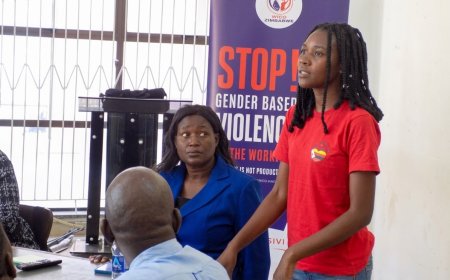
VISET/GRRA Reignite Unpaid Care Work Recognition Debate in Gweru
The Vendors Initiative for Social and Economic Transformation (VISET) and Gweru Residents and Ratepayers Association (GRRA) recently convened in Gweru to advocate for the formal recognition of unpaid care work. The meeting addressed the economic burden on women and persons with disabilities, calling for gender-sensitive budgeting, social protection and the implementation of the 5Rs framework to redistribute care duties within the national policy and infrastructure.
 Delicious Mathuthu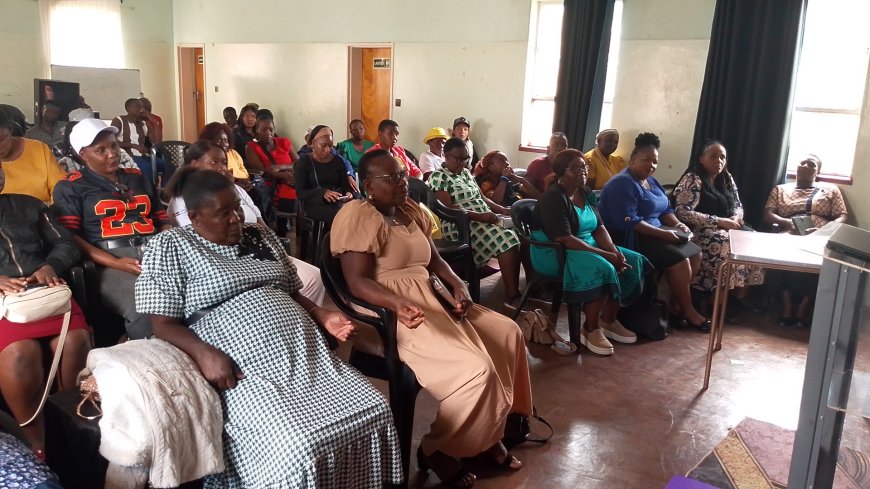
Gweru - Stakeholders and community members gathered in Gweru recently for a high-level consultative meeting convened by the Vendors Initiative for Social and Economic Transformation (VISET) in collaboration with the Gweru Residents and Ratepayers Association (GRRA), focusing on the socio-economic implications of unpaid care work.
The burden, predominantly borne by women, remains largely invisible in national policy and economic data.
Presenting at the event, VISET Programmes Officer, Edward Kapodogo, said unpaid care work is the invisible engine keeping both families and the national economy functioning.
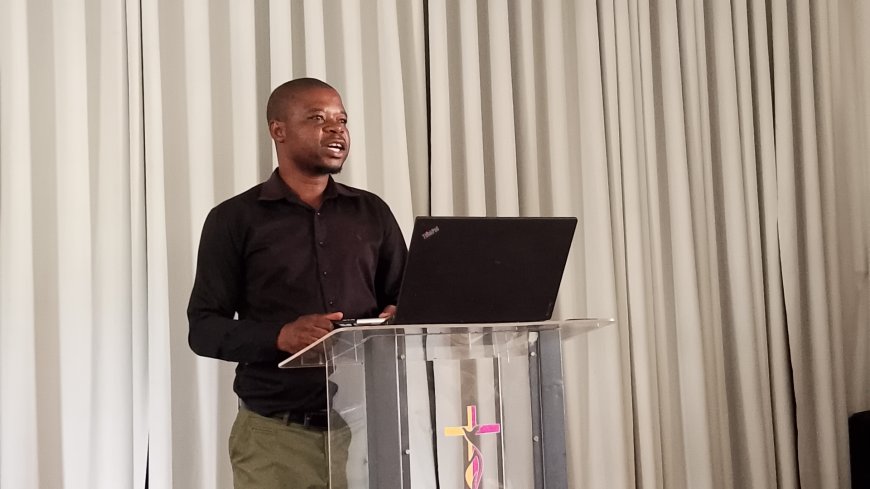 VISET Programmes Officer, Edward Kapodogo
Despite its role in supporting human development, Kapodogo noted that it is currently treated as a private burden rather than a critical policy issue.
He argued that care work is legitimate work and must be made visible in national data and policies.
He called on the nation to determine how best to cushion social protection for those providing these essential services.
To address these systemic inequalities, the meeting highlighted the 5 Rs Framework, which is designed to rebalance the distribution of care duties.
The framework focuses on Recognizing care work as an economic contribution, ensuring caregivers have Representation at decision-making tables, Reducing the time spent on chores through better infrastructure, providing a Reward through financial recognition or social protection, and Redistributing the burden from individuals to the state and between genders.
The meeting, attended mostly by women, provided a platform for residents to voice the daily challenges posed by a lack of care infrastructure.
Joyce Togarepi, representing Persons with Disabilities (PWDs), highlighted a critical gap in the healthcare system, noting a need to train healthcare workers and have them paid by the government rather than individuals.
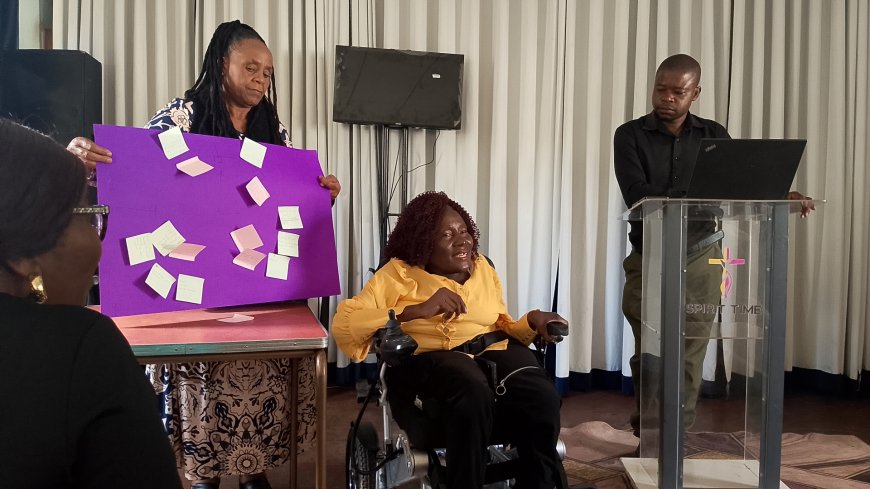 Joyce Togarepi (in wheelchair) making a presentation on the challenges faced by PWDs and those that take care of them
She pointed out that PWDs are often expected to pay for assistants despite lacking employment opportunities.
Other participants linked care work directly to municipal service delivery.
Precious Mutumwa called for a significant increase in the national health budget to alleviate the burden on home-based caregivers.
Spiwe Nzira, a ward 18 resident representating GRRA, pointed out that poor road infrastructure directly impacts child protection and their safety.
Unionist, Rebecca Butau, criticized misplaced priorities by local authorities, especially Gweru City Council, arguing that the practice of chasing vendors from the streets puts lives at risk and creates a need for secure, accessible markets, as a form of care infrastructure to reduce the burden of women fending for their families.
The forum concluded with a roadmap for advocacy, shifting the conversation from private complaint to public policy.
Kapodogo urged participants to take care work issues out of the kitchen and onto budget platforms.
The proposed advocacy strategy focuses on identifying clear demands, stakeholder mapping, crafting concise messaging, choosing appropriate platforms and conducting rigorous follow-ups.
The meeting produced several actionable demands for local and national government, including gender-sensitive budgeting to ensure health infrastructure and accessible care centers are prioritized.
There was also a call for implementing social protection incentives for mothers, the elderly and PWDs, alongside legislative reform such as the introduction of paternity leave to encourage men to share care duties.
Also present during the meeting were Gweru City Council women's quota councilors, who promised to escalate some of the discussed issues to the local authority.