Zimbabwe Workers Mark May Day Under Strain: NDWG
The NDWG warns of eroded living standards and weakened labour representation, urging urgent reforms to restore dignity and strengthen workplace protections. Zimbabwean workers yesterday commemorated Labour Day amid economic hardship, with unions citing poor wages, insecure contracts and high unemployment.
 Dumisani Ndlovu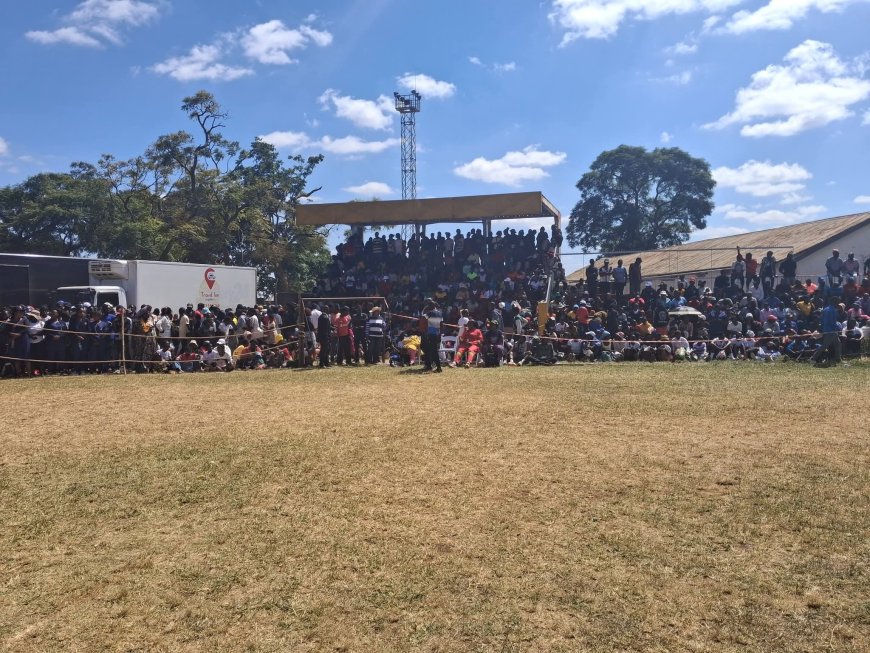
Harare - Zimbabwean workers commemorated World Labour Day on Friday amid mounting economic pressure, with labour groups warning of deteriorating working conditions, widespread unemployment and declining union influence.
In a statement, the National Democratic Working Group (NDWG) said there was little to celebrate this year, citing what it described as a deepening crisis affecting workers across all sectors of the economy.
Zimbabwe has several labour organisations, including the Zimbabwe Congress of Trade Unions (ZCTU) and the Federation of Trade Unions (FTU), which traditionally advocate for workers’ rights through collective bargaining and protection from unfair labour practices.
However, the NDWG said union effectiveness has weakened due to shrinking membership linked to job losses and limited employment opportunities.
The group cited high unemployment levels, estimated by some observers to be between 85% and 90%, as a key factor undermining labour representation.
It said each year thousands of graduates enter the job market but struggle to secure formal employment, often turning to informal work.
The NDWG also raised concern over what it called the erosion of labour standards, including poor wages, insecure contracts and limited access to benefits.
Many workers, it said, are employed on short-term contracts, leaving them without pension security or long-term protection.
Access to healthcare remains another challenge, it said, noting that low incomes and unfavourable employment terms have left many workers unable to afford medical aid coverage from institutions such as Cimas and PSMAS, increasing their vulnerability.
In addition, workers are facing rising living costs, inadequate public transport and reduced purchasing power, with many households reportedly struggling to meet basic needs such as food and education.
The NDWG said the combined pressures have significantly lowered living standards, with some families surviving on minimal daily meals.
Labour analysts say the weakening of organised labour bargaining, coupled with economic instability, has left workers increasingly exposed to exploitation and job insecurity.
Authorities have previously acknowledged economic challenges affecting the labour market, while pointing to ongoing policy efforts aimed at stabilising the economy and creating employment.
As Zimbabwe joins the rest of the world in marking May Day, labour groups say urgent reforms are needed to restore workers’ dignity, improve wages, and strengthen protections in the workplace.