
UNSW Experts Urge Australia to Strengthen Child Protection Across the Pacific
By Harry Taruva — UNSW researchers are urging Australia to strengthen child sexual abuse prevention and support child protection across the Pacific, citing online exploitation risks and gaps in regional legislation and data.
 Harry Taruva
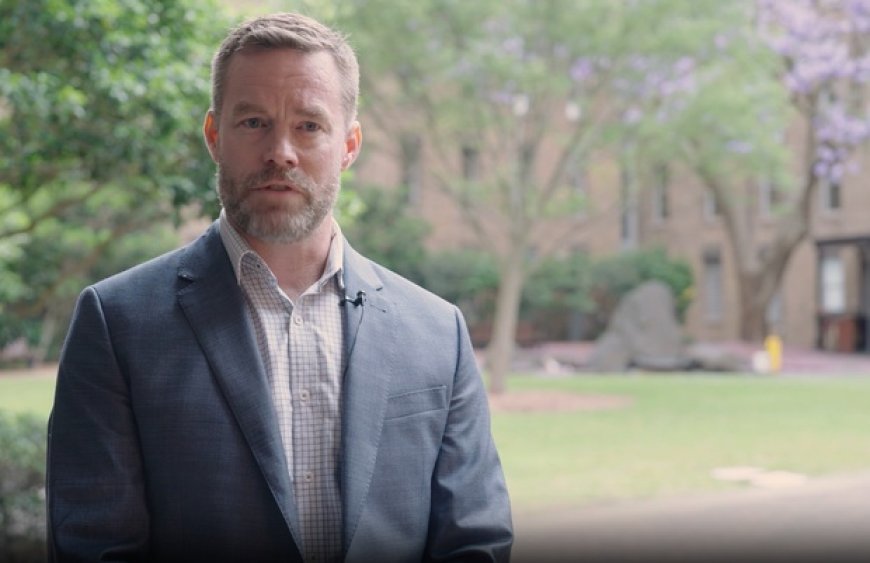
Sydney Australia — University of New South Wales (UNSW) Sydney researchers have called on Australia to take a stronger leadership role in preventing child sexual abuse and strengthening child protection systems across the Pacific, as governments meet in Manila to address violence against children.
The appeal comes on the final day of the Second Global Ministerial Conference on Ending Violence Against Children, where Australia's Ambassador for Gender Equality, Michelle O’Byrne, is listed as a speaker.
UNSW Criminologist, Professor Michael Salter, Director of Childlight's East Asia and Pacific Hub, said Australia's participation was welcome but urged the government to take greater responsibility for prevention efforts both domestically and across the region.
“Australia's participation in this conference is welcome, but we have a responsibility to take a stronger national and regional leadership role in preventing child sexual abuse,” Prof. Salter said.
He said Australia's investment in expanding digital connectivity across Pacific nations needed to be accompanied by stronger child protection measures.
“We also need to make sure our investment in digital connectivity across the Pacific is matched by investment in child protection,” he said.
Prof. Salter said Australia could work with Pacific governments and communities to strengthen prevention programmes, improve data collection and protect children as access to technology expanded.
His comments follow the release of the 2026 Into the Light Index by the Childlight Global Child Safety Institute, which estimates that more than 581,000 Australian children, or approximately one in 10, experienced online sexual solicitation over a 12-month period.
The report also highlights legislative weaknesses across East Asia and the Pacific, finding that 37% of the 46 countries and territories examined had no identifiable legislation specifically criminalising online grooming.
Prof. Salter said child sexual abuse remained inadequately measured and addressed, particularly among children whose experiences were less visible to authorities.
He called for stronger prevention measures and better coordination between frontline services to improve responses to abuse.
UNSW researcher, Dr. Amy Young, said limited access to reliable data in many Pacific Island countries made it difficult to establish the scale of child sexual abuse and develop effective protection strategies.
She said expanding internet access was intersecting with other regional pressures, including labour migration and climate-related displacement, creating additional challenges for child protection.
Dr. Young warned that some smaller island nations lacked the resources to address these problems independently.
“There are some nations, small island nations, that are never going to have the capacity to respond to this alone.
“So we do need a regional response, and Australia has some responsibilities there," she said.
The researchers' appeal places particular emphasis on ensuring that regional digital development is accompanied by investment in safeguards, stronger legislation and child protection services.
The Second Global Ministerial Conference on Ending Violence Against Children is being held in Manila, Philippines, bringing governments together to address measures to prevent and respond to violence against children