
Opposition NDIS Citizenship Proposal Raises Concerns Over Disability Access
By Harry Taruva — Settlement Services International (SSI) has criticised the Federal Opposition's proposal to restrict new National Disability Insurance Scheme access to Australian citizens, warning that refugees and permanent residents with disabilities could lose essential support despite years of contributing to Australian society.
 Harry Taruva
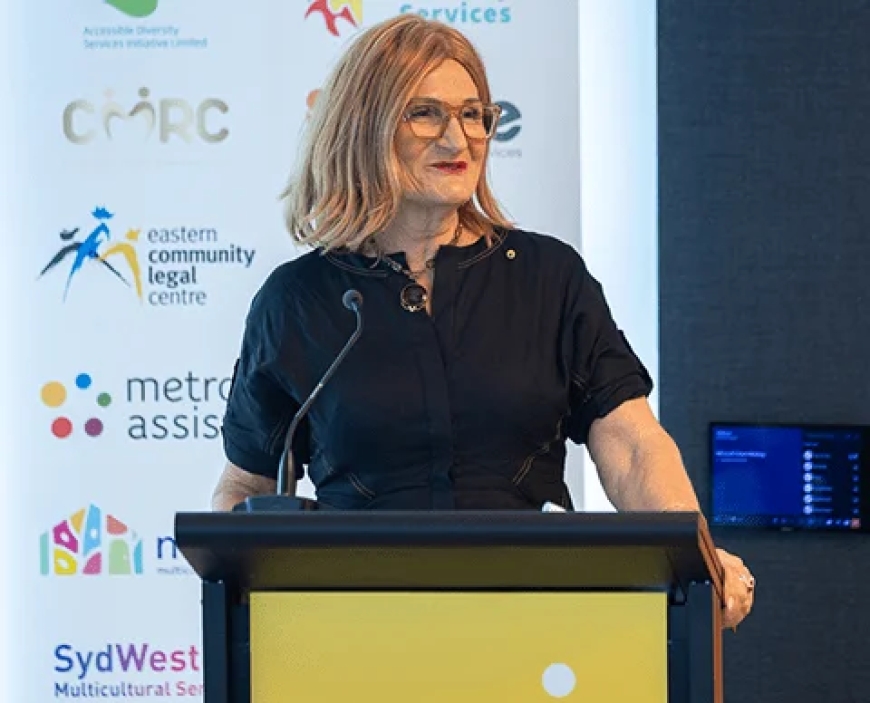
Sydney, Australia — A proposal by Australia's Federal Opposition to restrict access to the National Disability Insurance Scheme (NDIS) to Australian citizens has drawn criticism from a community services organisation, which warns that refugees and permanent residents with disabilities could lose access to essential support.
The proposal would make Australian citizenship a requirement for new NDIS participants while allowing people already receiving assistance to remain in the scheme.
Settlement Services International (SSI), a non-profit organisation providing settlement, disability and community services, said the proposed eligibility restrictions could disadvantage permanent residents who have lived, worked and paid taxes in Australia for years, as well as refugees who arrived through the country's humanitarian programme.
SSI Chief Executive Officer, Violet Roumeliotis, said the proposal risked creating unequal treatment for people with identical disabilities and support requirements.
"People with disability deserve dignity, security and the opportunity to participate fully in Australian life. Access to essential disability support should not depend solely on the passport someone holds," Roumeliotis said.
She said many permanent residents had established their lives in Australia, contributing through employment, taxes, family responsibilities and community participation.
Others, she said, had arrived through humanitarian pathways after experiencing displacement and significant hardship.
"Excluding these people from the NDIS risks creating two classes of people with disability: those who can access the support they need to participate fully in our society, and those who cannot," she said.
Roumeliotis also questioned the fairness of excluding long-term permanent residents who may face difficulties obtaining Australian citizenship because their countries of origin restrict dual citizenship.
She argued that people who had contributed to Australia's economy and public services should not be denied disability support if they later developed significant disabilities.
"Permanent residents help build our economy, strengthen our communities and fund the public services we all rely on. It is difficult to justify telling those same people that, if they acquire a significant disability, they cannot access the disability system they help fund," she said.
However, Roumeliotis acknowledged the importance of maintaining the NDIS's financial sustainability, arguing that efforts to improve its management should not undermine equitable access.
"The NDIS must of course be sustainable and well managed. But sustainability should not come at the expense of fairness, dignity and a level playing field for people with disability," she said.
She further warned that creating different eligibility systems for different groups could deepen social inequality, weaken community cohesion and undermine economic participation.
"We know from other countries that creating different systems for different groups can deepen inequality and ultimately harm economic participation, social cohesion and community wellbeing.
"Australia should be removing barriers to participation, not creating new ones," she said.
SSI provides settlement assistance, disability programmes, community engagement services, training and employment pathways for individuals and families from diverse backgrounds.